In 1930, a twelve-year-old girl in Louisiana stumbled across a story that most adults had already dismissed.
Sue Eakin was still a child when she encountered Twelve Years a Slave, the 1853 narrative written by Solomon Northup, a free Black man who had been kidnapped and sold into slavery. By the early 20th century, many historians questioned the book’s accuracy. Some claimed it was exaggerated. Others suggested it might not be true at all.
Sue didn’t believe that.
What began as curiosity became a lifelong mission.
As she grew older, Sue Eakin returned to Northup’s story again and again. She tracked names, locations, court records, plantation logs, and newspaper archives. Piece by piece, she followed the path of a man history had tried to blur.
Decades passed.
While others built careers, Sue built evidence. She earned her PhD at the age of sixty, refusing to let age dictate the value of her work. She continued publishing scholarly research into her eighties, determined to prove what she had believed since childhood: Solomon Northup was telling the truth.
And she was right.
Sue Eakin’s meticulous research confirmed the details of Northup’s kidnapping, enslavement, and eventual freedom. Her work restored credibility to a narrative that had been quietly undermined for generations.
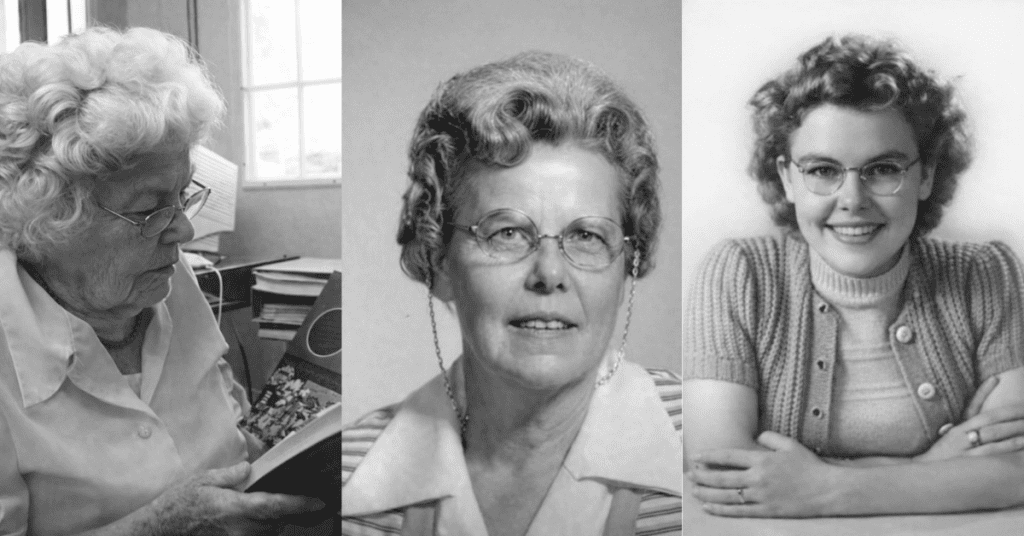
In doing so, she didn’t just validate one man’s story she challenged how historical truth is decided, and who gets believed.
She worked quietly. There were no headlines. No sudden recognition. Just persistence.
Sue Eakin died in 2009, having spent nearly seventy years defending a story that could not defend itself. She never lived to see what happened next.
Four years after her death, 12 Years a Slave was adapted into a major motion picture. The film won the Academy Award for Best Picture, bringing Solomon Northup’s story to millions around the world.
The world applauded the film.
Few knew about the woman who made it possible.
Sue Eakin never sought fame. She didn’t chase validation. She believed that truth mattered even when it was inconvenient, unfashionable, or ignored. Her work stands as a reminder that history is not self-correcting. It requires people willing to ask hard questions and stay with them for a lifetime.
She proved that scholarship is not about speed, but endurance.
And that sometimes, the most powerful act is believing a voice everyone else has learned to doubt and refusing to let it disappear.
History remembers stories.
But behind some of them is someone who refused to let the truth be erased.