
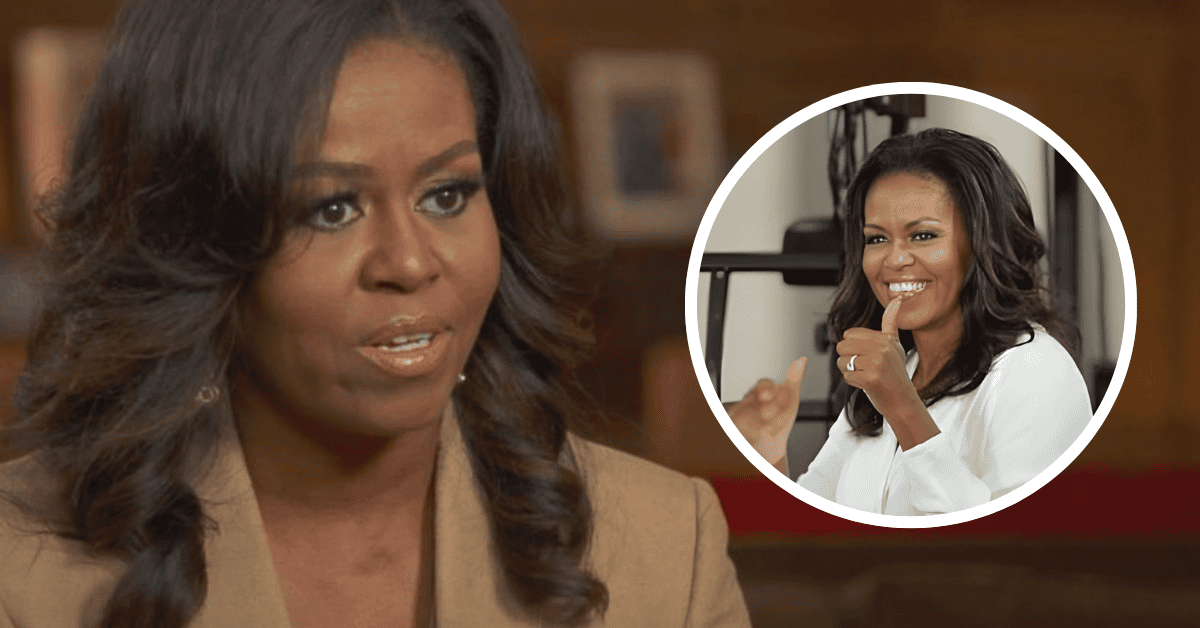
Michelle Obama has remained a powerful voice in American cultural and social conversations long after her time in the White House. Moments like this underscore just how much influence she still holds. Even a short remark from her can ripple outward, sparking widespread debate and drawing attention far beyond its original setting.
Supporters of the comment say its intent was clear: to encourage and uplift creators who have historically been overlooked or marginalized. They view it as consistent with Obama’s long-standing advocacy for inclusion, opportunity, and equity, arguing that the reaction reflects how sensitive and polarized these conversations have become.
Critics, however, interpret the wording differently. They argue that the message crossed an unnecessary line, framing the issue in a way that deepened divisions rather than building common ground. To them, the comment exemplifies how even well-intentioned statements can alienate audiences when phrased without careful balance.
What’s notable is not just the disagreement itself, but how quickly it escalated. In today’s media environment, a few words from a prominent figure can become a flashpoint, amplified and dissected across platforms within hours. The debate often shifts from intent to interpretation, revealing as much about the audience as it does about the speaker.
Ultimately, the moment serves as a reminder of the enduring weight of Michelle Obama’s voice—and how, in a highly connected and reactive culture, even brief remarks can ignite conversations that take on a life of their own.