
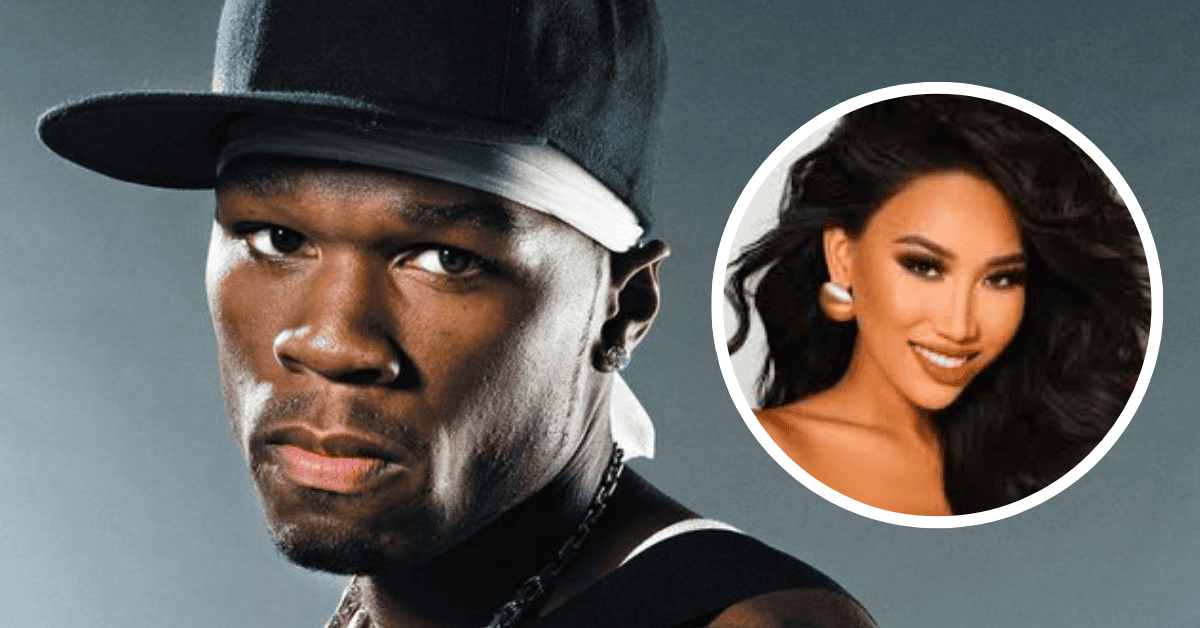
The remark, which centered on men dating transgender women, spread rapidly online and drew strong reactions almost immediately. Critics described the statement as dismissive and harmful, arguing that it reinforced stereotypes and contributed to stigma faced by transgender people. Many said the language used reduced complex human relationships to mockery, rather than understanding.
Supporters and defenders of 50 Cent pushed back, with some framing the comment as an example of his long-standing tendency toward provocation and blunt humor. Others argued that the reaction itself showed how sensitive and polarized conversations around gender and identity have become, especially on social media platforms where nuance is often lost.
As the discussion grew, the focus shifted beyond the comment itself. Broader questions emerged about the responsibility of public figures, the line between free expression and harm, and how cultural attitudes toward transgender communities are shaped by influential voices. Advocacy groups and commentators emphasized that statements from celebrities can have real-world impact, especially on already marginalized groups.

The moment underscores a familiar pattern in online discourse. A short remark, often made casually, becomes amplified far beyond its original context, evolving into a larger cultural argument. In these spaces, intent is debated, language is scrutinized, and reactions often reflect deeper societal tensions rather than the single comment that sparked them.
Whether viewed as offensive, provocative, or misunderstood, the backlash illustrates how public conversations around gender identity remain highly charged. And it serves as another reminder that when prominent figures speak on sensitive topics, their words rarely land in isolation—they become part of a much larger and ongoing debate.