In 1960, thalidomide was being marketed around the world as a breakthrough drug. It was advertised as a safe and effective treatment for morning sickness, anxiety, and insomnia. In Europe, Australia, and other regions, it was already widely available. To many physicians, it seemed like a modern medical marvel.
In the United States, however, the drug had not yet been approved. That decision rested in part with a newly hired medical officer at the U.S. Food and Drug Administration: Dr. Frances Oldham Kelsey.
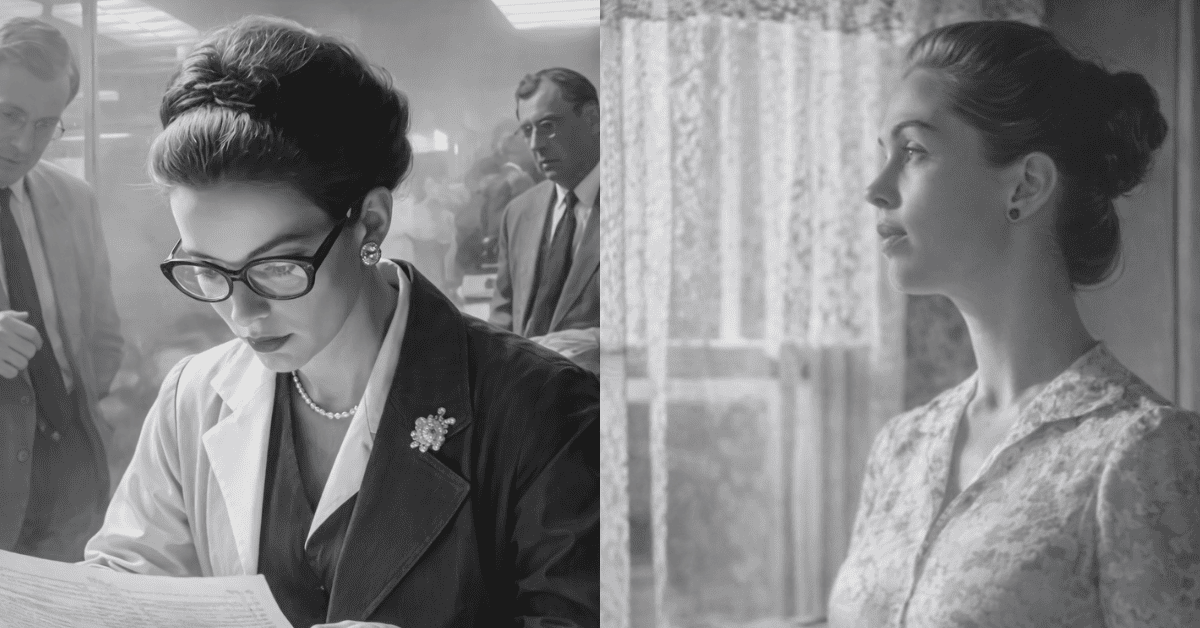
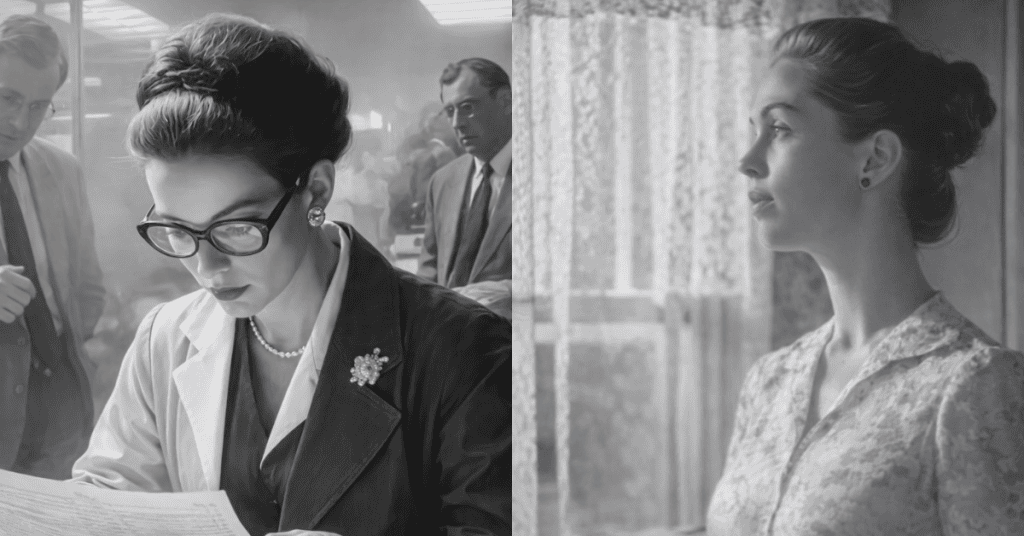
Kelsey was a Canadian-born physician and pharmacologist with a background in rigorous scientific research. When the manufacturer submitted thalidomide for approval in the U.S., the company expected a routine process. Instead, Kelsey began asking difficult questions. She was concerned about gaps in the clinical data and reports suggesting possible nerve damage in patients taking the drug.
The pharmaceutical company pushed back. Thalidomide was already profitable overseas, and executives were eager to enter the American market. Kelsey faced mounting pressure to approve the medication quickly. But she refused to be rushed. She insisted on more evidence demonstrating the drug’s safety—particularly for pregnant women.
While the review process dragged on in the United States, a tragedy was unfolding abroad. Thousands of babies were born with severe birth defects, including missing or malformed limbs,
after their mothers had taken thalidomide during pregnancy. The scale of the disaster shocked the world. An estimated 10,000 children in multiple countries were affected.
Because Kelsey had not approved the drug, thalidomide was never widely distributed in the U.S. The consequences of her caution were profound. While a small number of American cases occurred through clinical samples, the country avoided the mass devastation seen elsewhere.
In 1962, President John F. Kennedy awarded Frances Oldham Kelsey the President’s Award for Distinguished Federal Civilian Service. She became a public symbol of scientific integrity and regulatory vigilance. Her actions also led to sweeping changes in U.S. drug laws, strengthening requirements for proof of safety and effectiveness before medications could be marketed.
Kelsey continued working at the FDA for decades, advocating for stricter drug standards and patient protections. She did not see herself as a hero only as a scientist doing her job carefully.
But history remembers her differently.
At a moment when speed and profit threatened to override caution, she chose evidence over pressure. Her refusal to sign one approval form spared thousands of families from heartbreak and permanently reshaped modern drug regulation.
Sometimes courage is loud.
Sometimes it looks like a quiet “no.”