During the Kosovo War in the late 1990s, when fear and division ran deep across the Balkans, stories of violence and loss were tragically common. Villages were divided, families displaced, and trust between communities had all but collapsed. Yet even in that atmosphere, moments of unexpected humanity still emerged quiet, powerful reminders that war does not erase compassion.
One such story centers on a mother.
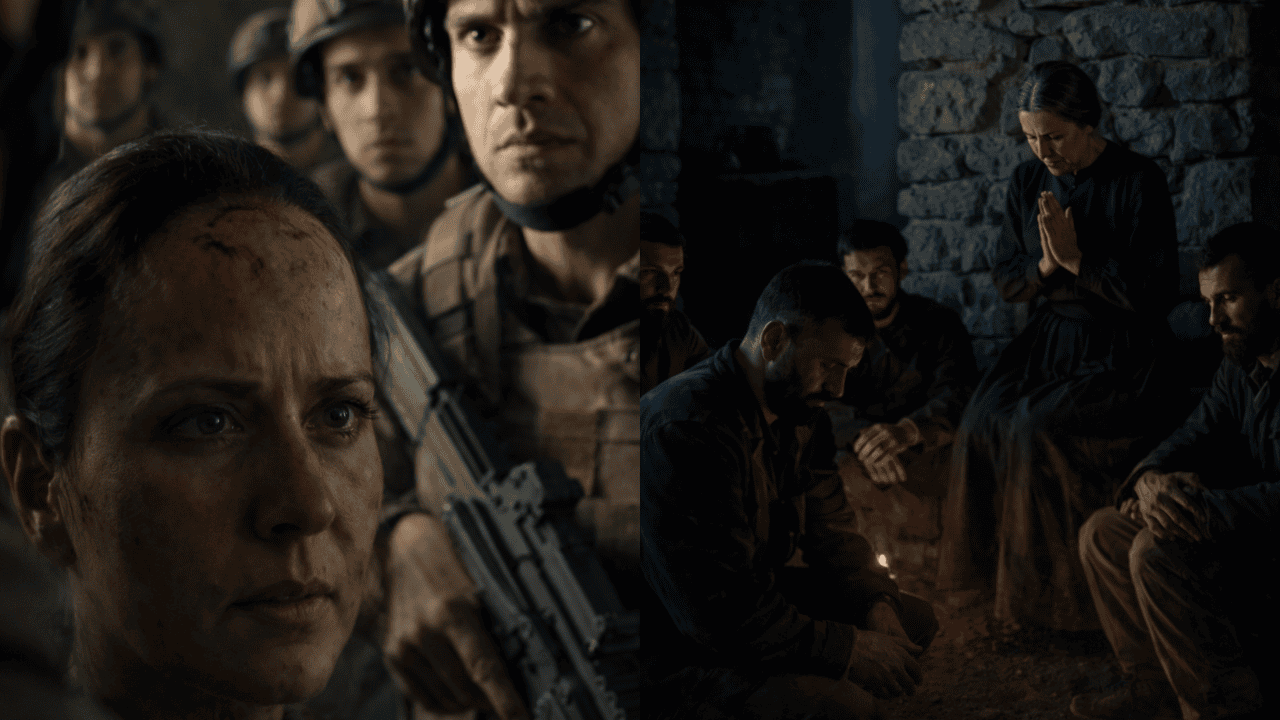
Amid the conflict, she learned that her son had been wounded and was trapped beyond the front lines, deep inside territory controlled by those considered the enemy. For many, that would have meant accepting the worst. The risks were overwhelming. Crossing those lines alone meant stepping into uncertainty, where suspicion and danger could meet her at every turn.
But she chose to go.
With no protection and no guarantee of safety, she walked into the heart of a place she had every reason to fear. The journey itself was an act of courage moving through a landscape shaped by conflict, where every step carried the weight of what could happen next. Yet her purpose was simple and unwavering: to find her son.
When she reached the village, what followed was not what the war had taught people to expect.
Instead of hostility, she was met with something else. The villagers who, under different circumstances, might have been seen only as enemies responded to her not with suspicion, but with understanding. They saw not a threat, but a mother.
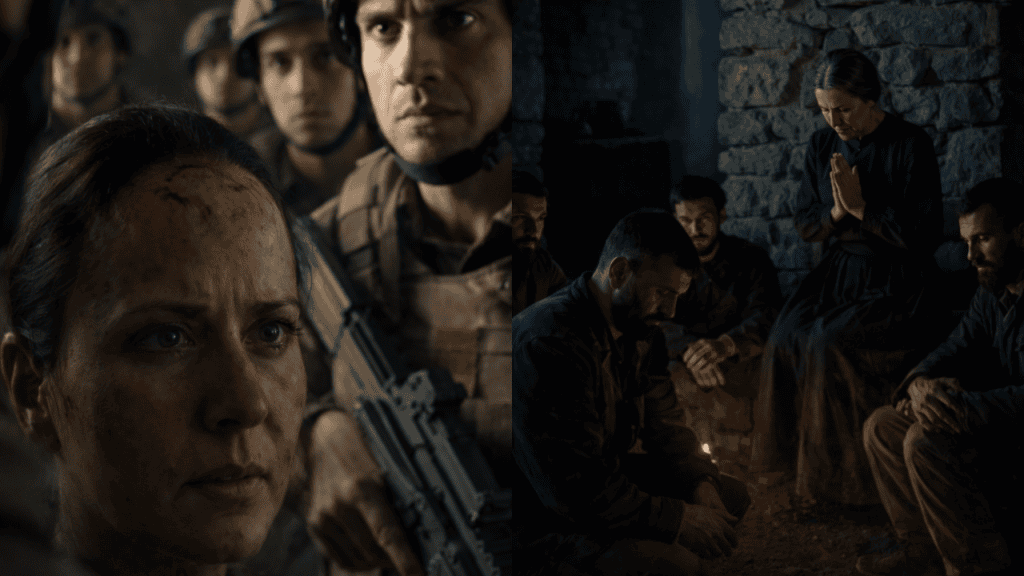
They helped her.
Her son was treated, his wounds cared for, his life preserved. And more than that, they offered protection ensuring that both mother and child would not face harm while they were there. In that moment, the lines drawn by war seemed to blur, replaced by something more human.
There is a phrase often associated with stories like this: that war may be fought between governments, but it is not fought between mothers. Whether spoken in those exact words or remembered through retelling, the sentiment captures the heart of what happened.
Eventually, the same people she had feared helped escort her and her son back to safety.
Stories like this do not erase the reality of war. They do not undo the suffering or the divisions that define such conflicts. But they do something equally important they remind us that even in the darkest moments, individuals can choose compassion over hatred.
In a time when everything pointed toward separation, a mother’s journey revealed something else entirely: that beneath conflict, there remains a shared understanding of love, loss, and the instinct to protect.
And sometimes, that is enough to change what happens next.