
Fresh and dried herbs are some of the easiest ways to make homemade food taste more flavorful without relying on complicated ingredients. A small amount of the right herb can add freshness, warmth, earthiness, or a subtle peppery note to everything from simple pasta dishes to roasted vegetables. If you are building a basic kitchen herb collection, choosing versatile herbs that work across several types of recipes is a great place to start.
You do not need a huge collection of specialty seasonings to cook delicious meals. A handful of essential cooking herbs can transform everyday ingredients and help you create more interesting flavors with less effort. Some herbs are particularly useful for Italian-inspired dishes, while others work beautifully with chicken, seafood, vegetables, soups, sauces, and grains. Keeping both fresh and dried options available can also make meal preparation more convenient.
Whether you are a beginner learning how to season food or an experienced home cook looking for new combinations, these ten herbs are worth having in your kitchen. They are versatile, easy to use, and suitable for a wide range of homemade recipes.
1. Basil
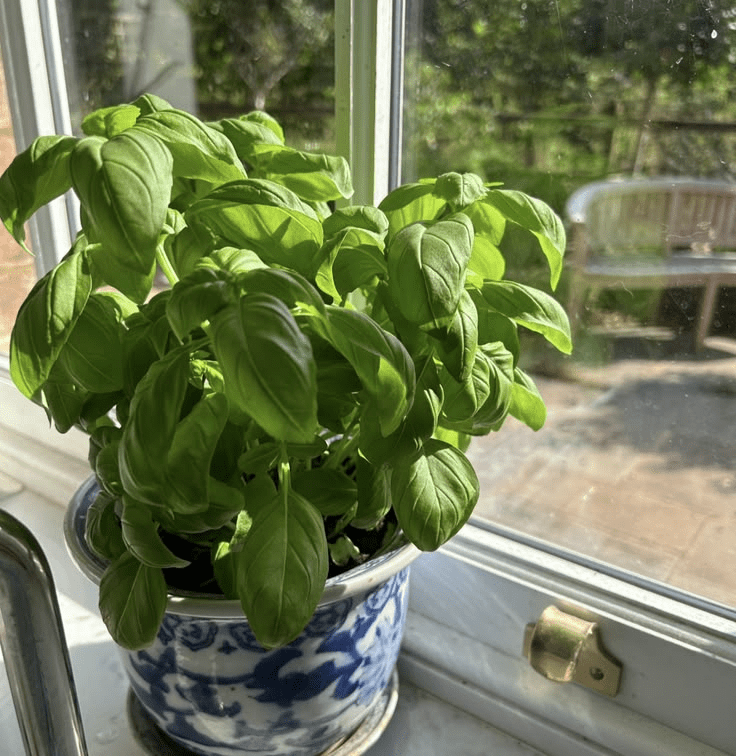
Basil is one of the most popular cooking herbs and a kitchen essential for anyone who enjoys fresh, Mediterranean-inspired flavors. Its slightly sweet, peppery, and aromatic taste pairs especially well with tomatoes, garlic, olive oil, and cheese.
Fresh basil is wonderful in pasta dishes, salads, sandwiches, pizzas, and homemade sauces. One of the most familiar uses is pesto, where basil is combined with ingredients such as garlic, Parmesan cheese, nuts, and olive oil. You can also tear fresh basil leaves over tomato and mozzarella salads for a simple side dish.
Dried basil is more convenient for soups, sauces, casseroles, and cooked dishes. Because dried herbs have a more concentrated flavor, start with a small amount and adjust as needed.
For the best flavor from fresh basil, add it toward the end of cooking rather than exposing it to prolonged heat. This helps preserve its delicate aroma. If you are stocking a basic herb collection, basil is a versatile choice that can quickly make simple homemade meals feel more flavorful.
2. Oregano
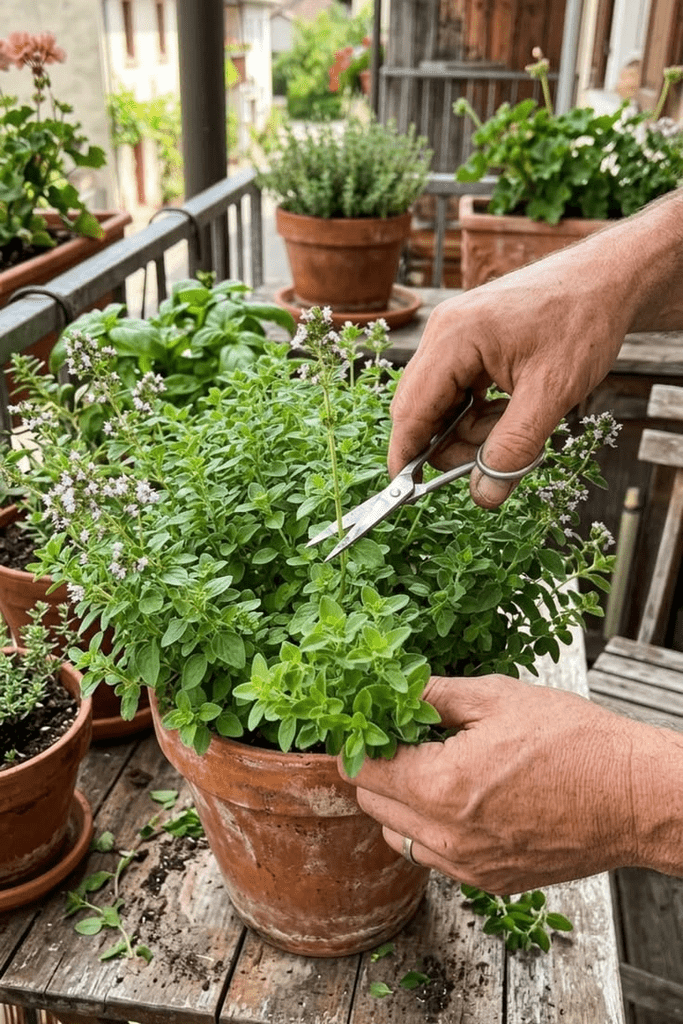
Oregano has a bold, earthy, slightly peppery flavor that makes it particularly useful for hearty dishes. It is a staple in many Italian, Greek, and Mediterranean-inspired recipes and pairs beautifully with tomatoes, garlic, olive oil, beans, and grilled meats.
Use oregano in homemade tomato sauce, pizza, pasta, roasted vegetables, soups, and marinades. It also works well with chicken and beef, especially when combined with garlic, lemon, and olive oil.
Dried oregano is especially convenient because it holds its flavor well during cooking. You can sprinkle it into sauces or mix it with olive oil and other seasonings to create a quick marinade.
Fresh oregano has a stronger herbal character and can be used as a finishing herb or added to cooked dishes. When making a simple weeknight meal, oregano can be an easy way to build flavor without needing a long ingredient list.
Try combining oregano with basil and thyme for an all-purpose Mediterranean-style herb blend that works well in pasta sauces, roasted vegetables, and baked dishes.
3. Thyme
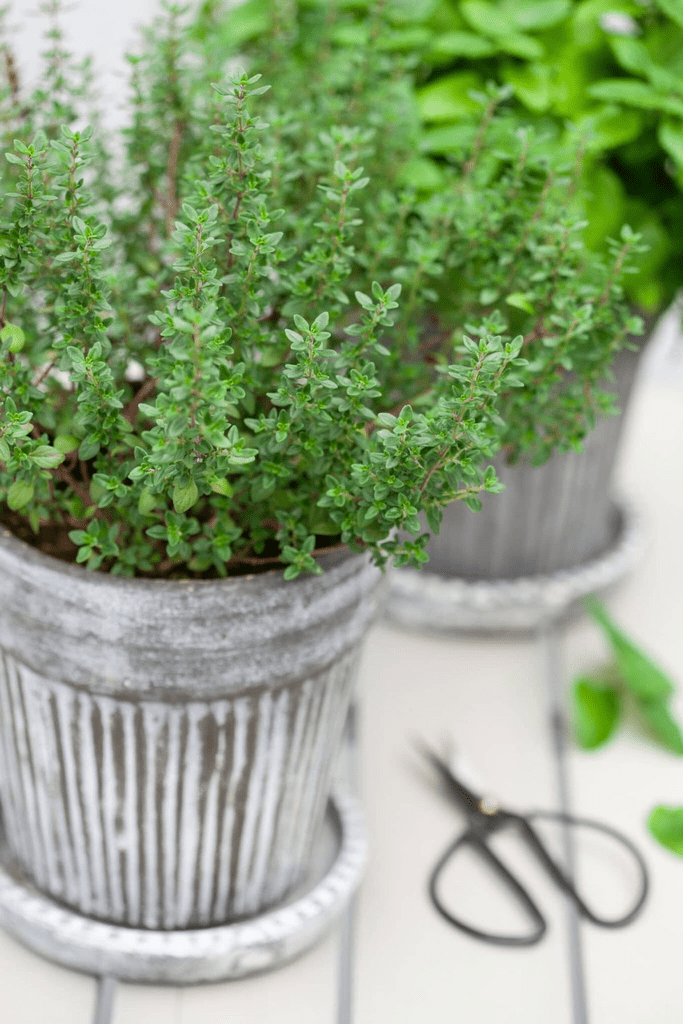
Thyme has a subtle earthy, slightly minty flavor that works particularly well in slow-cooked and savory dishes. It is one of those versatile herbs that can complement meat, vegetables, soups, sauces, and grains without overpowering the other ingredients.
Fresh thyme can be added to roasted chicken, potatoes, mushrooms, carrots, and other vegetables. You can also use the small leaves in homemade sauces or soups. Whole sprigs can be added during cooking and removed before serving.
Dried thyme is excellent for everyday cooking because it can be added directly to recipes. It pairs particularly well with garlic, onions, butter, lemon, and black pepper.
One simple combination is thyme, garlic, and olive oil. Use it to season potatoes before roasting or create a marinade for chicken. Thyme can also add depth to lentil soup, vegetable stew, and homemade stuffing.
If you want an herb that works equally well in quick meals and slow-cooked recipes, thyme deserves a permanent place in your spice cabinet.
4. Rosemary
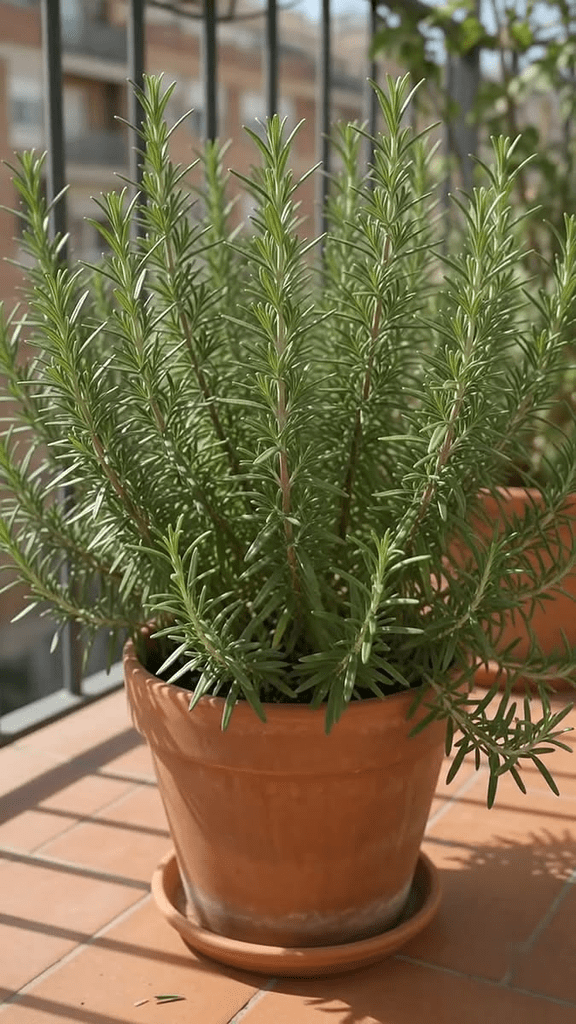
Rosemary is known for its strong, fragrant aroma and distinctive pine-like flavor. Because it is more intense than delicate herbs such as basil or parsley, a little rosemary can go a long way.
It is especially delicious with roasted potatoes, chicken, lamb, vegetables, and hearty breads. Fresh rosemary sprigs can be placed alongside meat or vegetables while they roast, allowing the oils from the herb to infuse the dish.
Chopped fresh rosemary can also be mixed with olive oil, garlic, salt, and pepper to create a simple seasoning for roasted potatoes or vegetables. Dried rosemary is useful for marinades, soups, stews, and baked dishes.
Rosemary works especially well with ingredients that have rich or savory flavors. Try pairing it with garlic and lemon for chicken or combining it with olive oil and roasted vegetables.
Because of its strong flavor, begin with a small quantity and add more if necessary. Once you become familiar with its flavor, rosemary can become one of the most useful herbs for creating comforting homemade meals.
5. Parsley
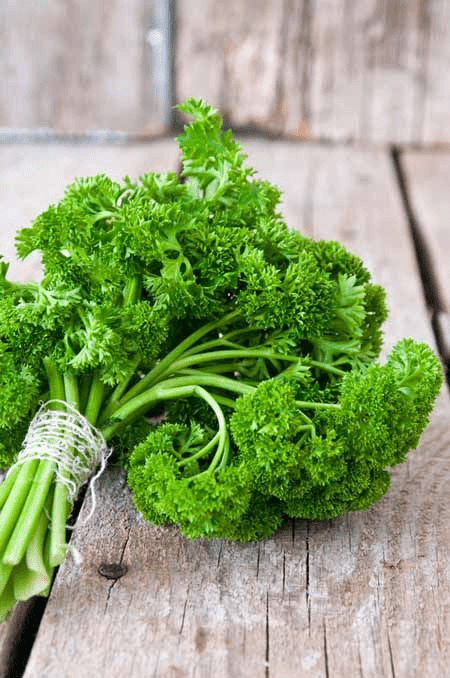
Parsley is one of the most versatile fresh herbs you can keep in the kitchen. Its clean, fresh flavor makes it useful for both cooking and finishing dishes.
Flat-leaf parsley is especially popular for savory recipes because of its fresh, slightly peppery taste. It can be chopped and stirred into pasta, soups, rice dishes, salads, sauces, and roasted vegetables.
Parsley is also excellent when you want to brighten a rich dish. A generous sprinkle over creamy pasta, roasted potatoes, grilled chicken, or hearty stew can add freshness and visual appeal.
Fresh parsley is generally best added near the end of cooking or immediately before serving. Dried parsley can be used in seasoning blends, soups, casseroles, and other cooked dishes, although it has a milder flavor than fresh parsley.
For a simple homemade herb sauce, combine chopped parsley with garlic, olive oil, lemon juice, salt, and pepper. This mixture can be spooned over roasted vegetables, grilled meat, or cooked grains.
If you only want to buy a few fresh herbs, parsley is a practical choice because it works across many different cuisines.
6. Cilantro
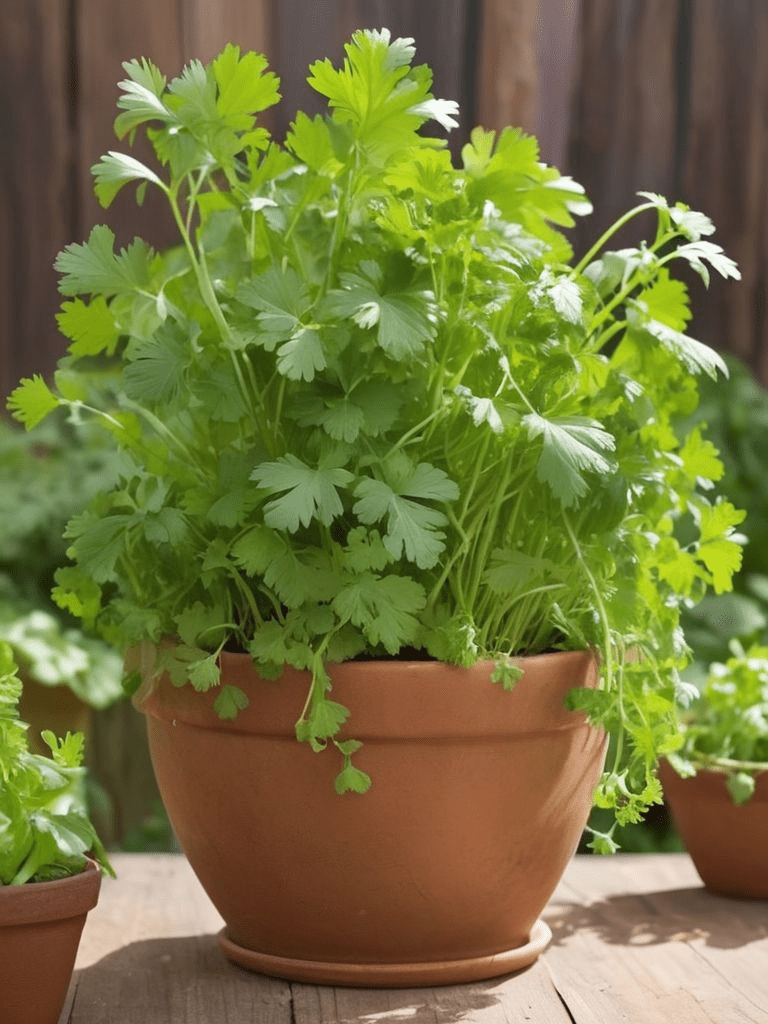
Cilantro has a bright, fresh flavor that is particularly popular in Mexican, Indian, Thai, and other Asian-inspired dishes. It can instantly add freshness to recipes that might otherwise taste heavy or one-dimensional.
Fresh cilantro works beautifully in salsa, tacos, curries, rice dishes, soups, salads, chutneys, and homemade sauces. Its leaves and tender stems can both be used, although tougher stems may be removed depending on the recipe.
Because cilantro has a delicate flavor, it is often best added toward the end of cooking. This helps preserve its fresh character.
Try chopping cilantro over homemade tacos, bean bowls, grilled vegetables, or rice. You can also blend it with lime juice, garlic, oil, and a little salt to create a quick herb sauce.
Cilantro is especially useful when you want to balance spicy or rich foods with something fresh and vibrant. Keep in mind that cilantro tastes unpleasantly soapy to some people because of genetic differences in taste perception. If that applies to you, parsley can often be used as a milder alternative.
7. Sage
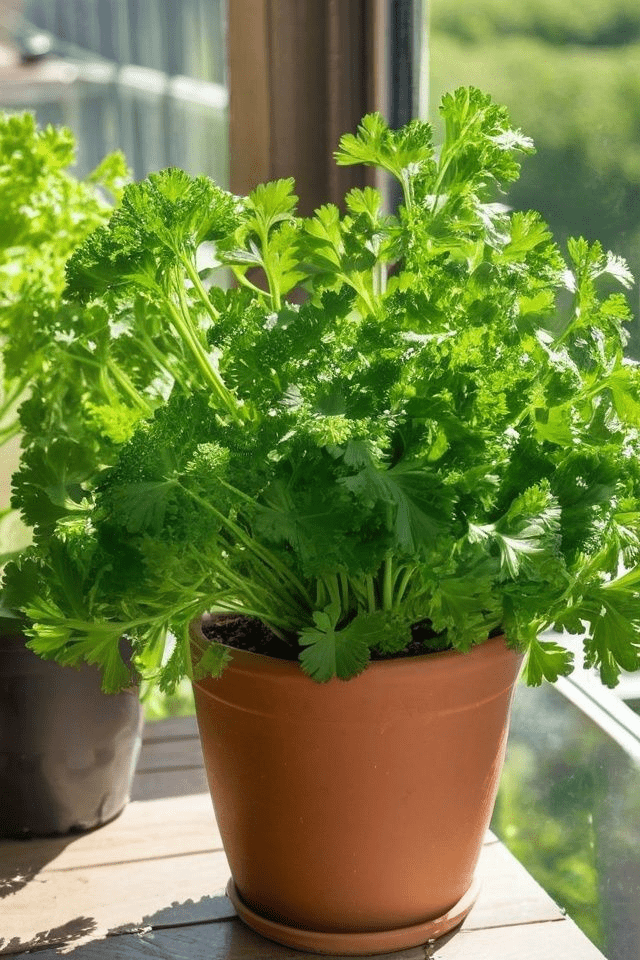
Sage has a bold, earthy, slightly peppery flavor that pairs particularly well with rich foods. It is a wonderful herb for autumn-inspired cooking and comforting homemade meals.
Fresh sage leaves can be sautéed in butter to create a simple sauce for pasta, gnocchi, vegetables, or grains. The combination of browned butter and sage is especially delicious with squash and pumpkin-based dishes.
Sage also pairs well with poultry, pork, sausage, beans, and hearty stuffing. Because its flavor is strong, you generally do not need a large amount.
Dried sage is useful in seasoning blends and cooked recipes, especially during the colder months when fresh herbs may be less convenient to find.
For an easy dinner, try roasting butternut squash with olive oil, sage, salt, and black pepper. You can also add a little sage to homemade stuffing or use it to season chicken before roasting.
If you enjoy rich, savory, and cozy flavors, sage is an excellent herb to add to your cooking collection.
8. Mint

Mint is best known for its refreshing flavor, but it can be surprisingly versatile in savory cooking. It works particularly well with vegetables, grains, legumes, sauces, salads, and certain meats.
Fresh mint can be added to tabbouleh, cucumber salads, grain bowls, yogurt sauces, and summer vegetable dishes. It is also delicious with peas, carrots, potatoes, and roasted vegetables.
Mint pairs especially well with lamb and can be combined with yogurt, lemon, garlic, and cucumber to make a refreshing sauce. Fresh leaves can also be torn over fruit salads or used in homemade beverages.
Unlike stronger herbs, mint is often best used as a finishing ingredient. Adding it near the end of preparation helps retain its fresh aroma.
For a simple summer side dish, combine cucumber, tomato, chopped mint, lemon juice, olive oil, salt, and pepper. The result is light, fresh, and easy to prepare.
If your cooking tends to be rich or heavy, mint can provide a refreshing contrast and help create more balanced flavors.
9. Dill
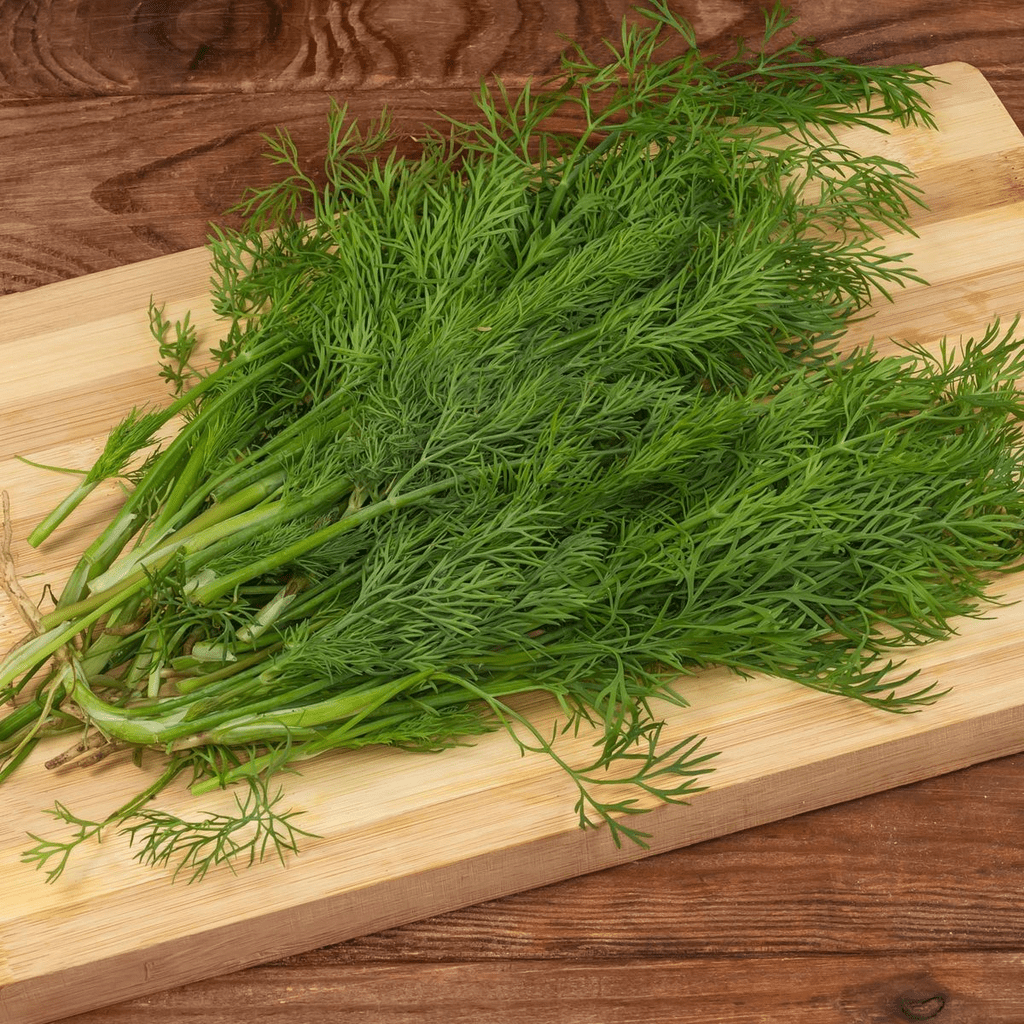
Dill has a fresh, grassy flavor with a subtle citrus-like quality. It is particularly good with seafood, potatoes, cucumbers, eggs, yogurt-based sauces, and lighter dishes.
Fresh dill can be stirred into creamy sauces, sprinkled over roasted potatoes, or added to salads and soups. It is also a classic pairing for salmon and other fish.
Dill works especially well with lemon, garlic, butter, and yogurt. For an easy homemade sauce, mix chopped dill with plain yogurt, lemon juice, garlic, salt, and pepper. This can be served with grilled fish, roasted vegetables, or potatoes.
Dried dill is convenient for seasoning dressings, sauces, soups, and cooked dishes. Because its flavor is more concentrated than fresh dill, use a smaller quantity and adjust according to taste.
Dill is a great herb to keep on hand when you want to add freshness without making a dish spicy or overly intense. Its light flavor makes it especially suitable for spring and summer recipes.
10. Chives
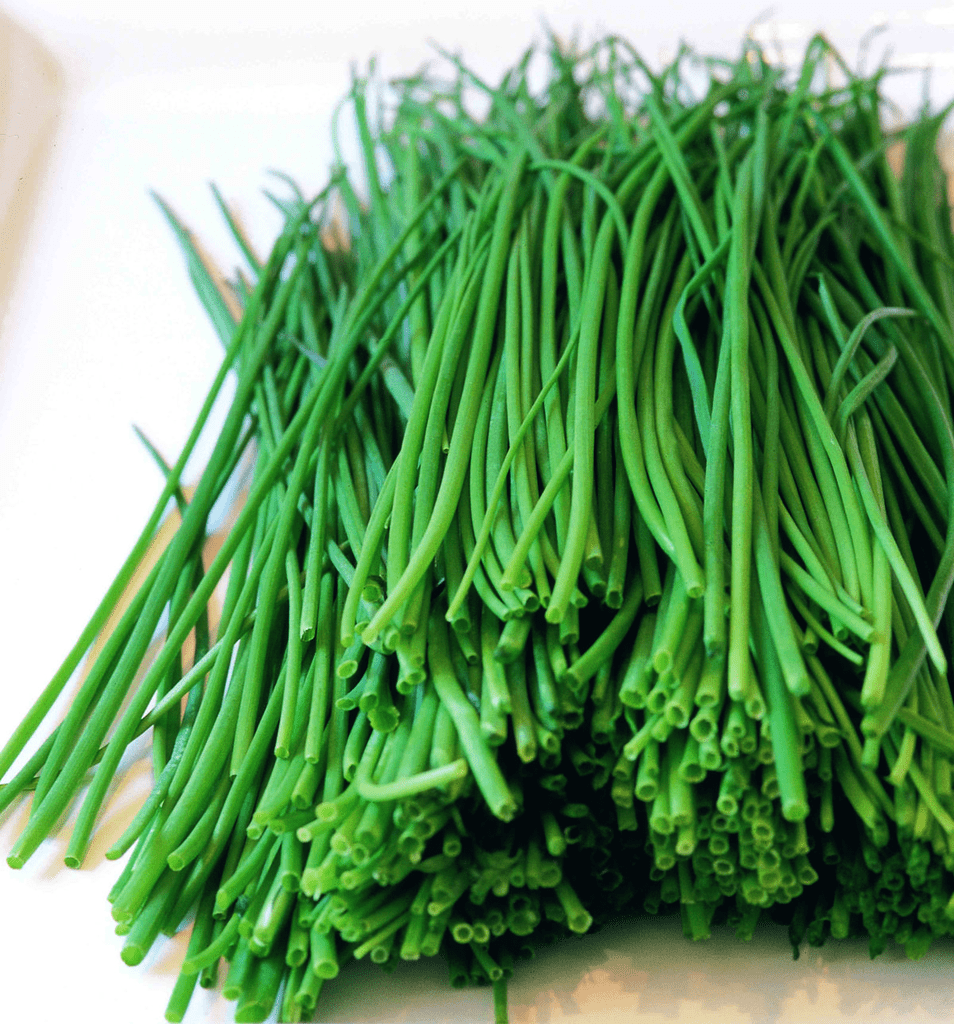
Chives have a mild onion-like flavor that makes them an easy finishing herb for everyday meals. They provide some of the savory character of onions without overwhelming delicate dishes.
Fresh chives are excellent in scrambled eggs, baked potatoes, creamy soups, salads, dips, and soft cheeses. Simply snip them into small pieces and sprinkle them over the finished dish.
Chives are particularly useful when you want a little extra flavor but do not want to add another strong seasoning. They pair beautifully with butter, cream, cheese, potatoes, and eggs.
Try mixing chopped chives into sour cream or Greek yogurt to create a simple topping for baked potatoes. You can also add them to scrambled eggs just before serving or sprinkle them over creamy soups.
Fresh chives are generally preferable because their delicate flavor is easily lost during prolonged cooking. If you grow herbs at home, chives are also a convenient option because they can thrive in a small container with adequate sunlight.
For quick everyday cooking, chives are one of the easiest herbs to use.
Summary
Building a collection of essential cooking herbs does not have to be complicated. Basil, oregano, thyme, rosemary, parsley, cilantro, sage, mint, dill, and chives can provide a wide range of flavors for homemade recipes. Together, they can complement pasta, meat, seafood, vegetables, soups, salads, grains, sauces, and more.
Start with a few herbs that match the foods you cook most often. Fresh herbs are wonderful for finishing dishes and adding brightness, while dried herbs are convenient for sauces, soups, marinades, and longer cooking times. As you become more comfortable with seasoning, experiment by combining herbs with garlic, lemon, olive oil, butter, and spices to develop your own favorite flavor combinations.
FAQ
What are the most essential cooking herbs for beginners?
Basil, oregano, thyme, parsley, and rosemary are excellent starting points because they are versatile and work in many common homemade recipes.
Is fresh or dried herbs better for cooking?
Both can be useful. Fresh herbs are often best for finishing dishes and adding bright flavor, while dried herbs are convenient for soups, sauces, marinades, and longer cooking times.
How should fresh herbs be stored?
Most fresh herbs stay fresher when stored properly in the refrigerator. Some tender herbs can be placed in a container with a little water and loosely covered, while others are better wrapped lightly in a damp paper towel.
Can dried herbs replace fresh herbs?
Yes. Dried herbs can usually replace fresh herbs, but the flavor is more concentrated. A common starting point is using about one-third as much dried herb as fresh, then adjusting to taste.
Which herbs pair well with chicken?
Thyme, rosemary, sage, parsley, oregano, and basil all pair well with chicken. Garlic, lemon, olive oil, and black pepper can complement these combinations.
Which herbs are best for vegetables?
Thyme, rosemary, parsley, basil, dill, mint, and oregano are excellent choices. The best option depends on the vegetable and cooking method.
How do I know how much herb to use?
Start with a small amount, especially when using strong herbs such as rosemary, sage, and oregano. You can always add more as the dish cooks or just before serving.
What is the best way to learn how to use herbs?
Start by pairing one herb with familiar ingredients. Once you understand its flavor, experiment with combinations such as basil and oregano, rosemary and thyme, or parsley and chives.