Making time for yourself can be one of the simplest ways to create more balance in a busy routine. Me-time does not have to mean booking an expensive spa treatment, taking a long vacation, or spending an entire day alone. It can be as simple as reading a few pages of a book, taking a quiet walk, journaling, enjoying your favorite drink without distractions, or spending time on a hobby you genuinely enjoy. The purpose is to step away from constant responsibilities and give yourself intentional space to recharge.
Me-time can also support personal growth when you use some of that space to reflect, learn, create, or reconnect with your priorities. At the same time, not every moment needs to be productive. Rest, quiet, and simple enjoyment are valuable too. The best personal well-being routine includes a mixture of activities that help you grow and activities that simply make you feel good. Whether you have 10 minutes or an entire afternoon, these easy me-time ideas can help you build more intentional moments into your everyday life.
1. Start a Personal Journal
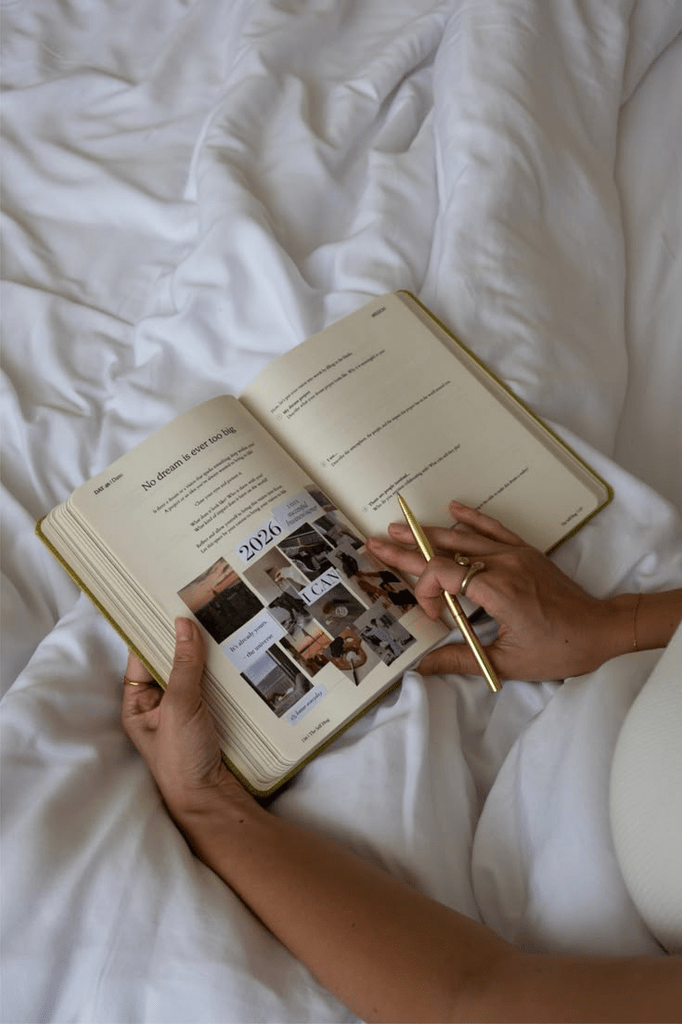
Journaling is a simple way to slow down and check in with yourself. You do not need to write pages every day or follow a complicated journaling method. Even five to ten minutes can give you an opportunity to understand what you are thinking and feeling.
Start with simple prompts such as, “What went well today?”, “What is currently stressing me?”, “What am I looking forward to?” or “What is one thing I want to improve?” You can also write freely without following any particular structure.
Regular journaling can help you notice patterns in your thoughts, routines, goals, and emotions. Looking back at older entries can also show you how your perspective has changed over time.
Make the experience more enjoyable by choosing a comfortable place, using a notebook you love, and keeping your phone away while you write. The goal is not to produce perfect writing. It is simply to create a private moment where you can listen to your own thoughts.
2. Take a Mindful Walk

A walk can be an excellent form of me-time because it gets you away from your usual environment while giving you space to think. You do not need to turn every walk into a workout. Walk at a comfortable pace and focus on being present.
Pay attention to the sights, sounds, weather, trees, buildings, and people around you. If you normally listen to podcasts or music, try walking without headphones occasionally.
You may find that a quiet walk helps you process thoughts that feel difficult to organize when you are busy. It can also provide a natural break between work and personal responsibilities.
Try exploring a different route occasionally. A nearby park, quiet street, garden, or scenic area can make an ordinary walk feel like a small adventure.
Even a 15-minute walk can become a valuable daily ritual. The goal is not distance or speed but giving yourself uninterrupted time away from your usual routine.
3. Read for Pleasure

Reading is a wonderful way to spend time alone while giving your mind a break from constant digital stimulation. Choose something you genuinely want to read instead of something you feel you should read.
You could pick a novel, memoir, personal development book, travel book, magazine, cookbook, or collection of essays. Reading fiction can provide an enjoyable escape, while nonfiction can introduce you to new ideas and perspectives.
Create a comfortable reading environment with a favorite chair, warm drink, soft lighting, or a quiet corner of your home. Put your phone on silent so notifications do not interrupt you.
If you struggle to find time, begin with just 10 pages a day. Keeping a book beside your bed or in your favorite sitting area can make it easier to turn reading into a habit.
Reading for pleasure does not need to have a measurable outcome. Simply enjoying a story or exploring an interesting subject is a worthwhile way to spend your personal time.
4. Learn Something New

Use some of your me-time to explore a skill or subject that has always interested you. Learning does not need to involve a formal course or major commitment.
You could practice photography, drawing, cooking, gardening, writing, a musical instrument, a new language, or another creative or practical skill.
Start small. Give yourself 20 minutes to watch a beginner tutorial, read an introductory chapter, or practice one technique. Avoid putting pressure on yourself to become good immediately.
Learning something new can make your routine feel more interesting and give you a sense of progress outside your normal responsibilities. You may even discover a hobby that becomes an important part of your lifestyle.
Choose something because you are curious about it, not simply because you think it will make you more productive. Personal growth can come from exploring interests purely for enjoyment.
5. Enjoy a Phone-Free Coffee Break
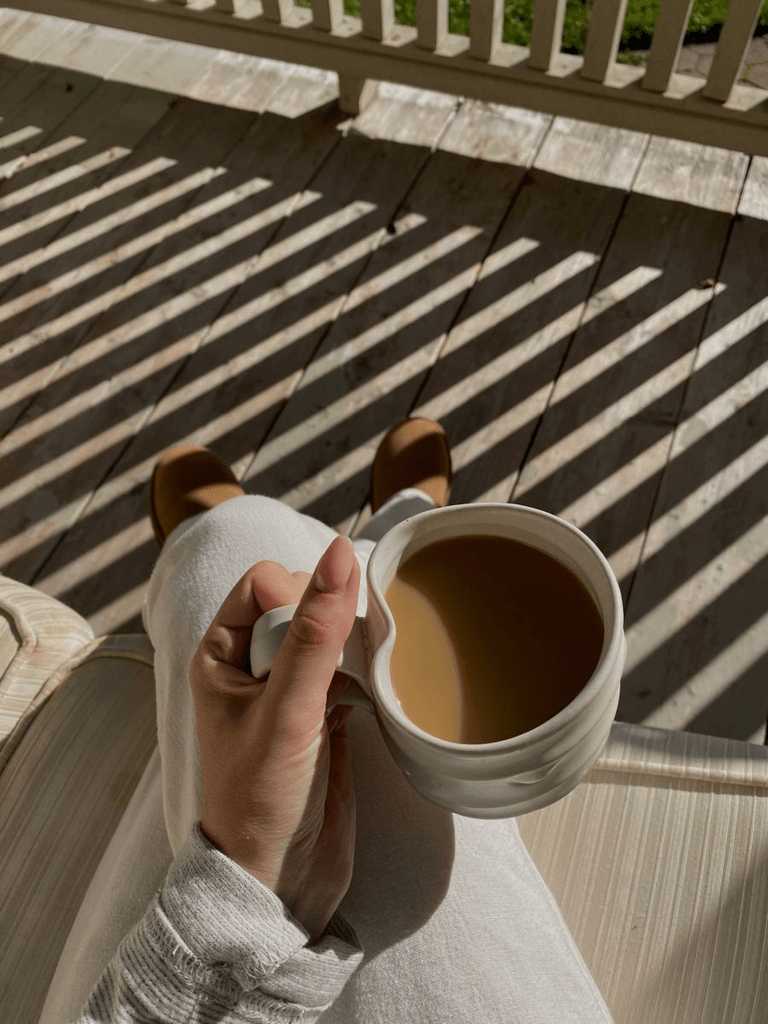
Turn your normal coffee or tea break into intentional me-time by putting your phone away. Instead of scrolling through social media while you drink, give yourself a few minutes to enjoy the experience.
Sit somewhere comfortable and pay attention to the aroma, flavor, temperature, and surroundings. Look out the window, listen to music, read a few pages, or simply sit quietly.
This small ritual can help you break the habit of filling every quiet moment with digital content. You may be surprised by how different a familiar drink feels when you are actually present for it.
A phone-free coffee break can take only 10 minutes, making it particularly useful for busy schedules. You can enjoy it in the morning, during an afternoon break, or whenever you need a small reset.
The purpose is not to make coffee more productive. It is to give yourself a few moments without notifications, scrolling, or outside demands.
6. Create a Simple Self-Care Ritual
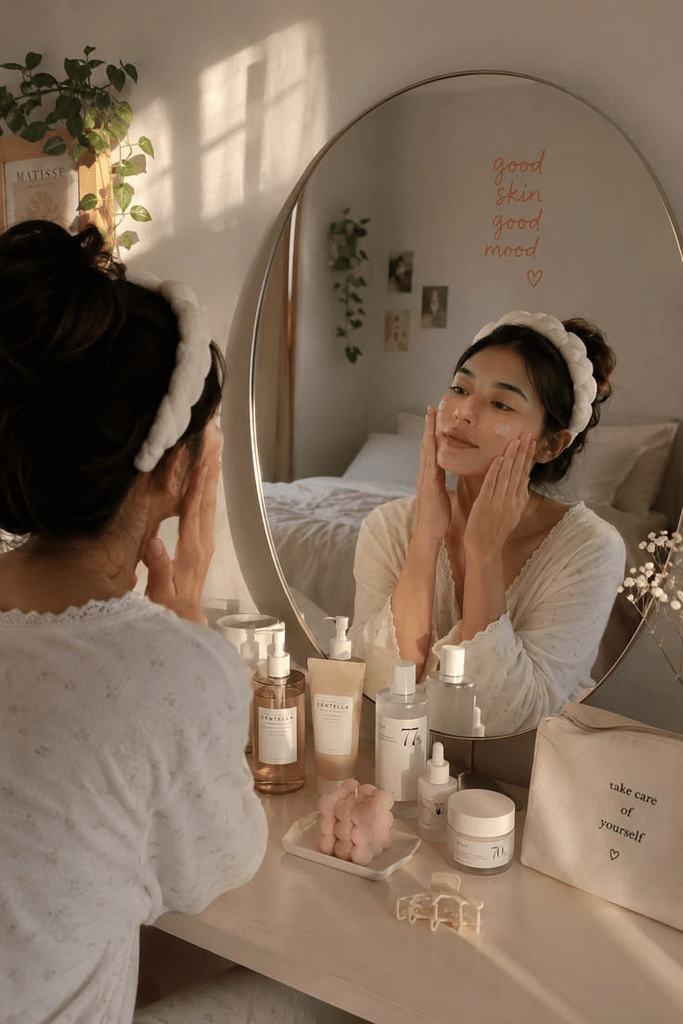
Self-care can be simple and inexpensive. Create a small ritual that makes you feel comfortable, refreshed, and cared for.
You might take a warm shower, follow a skincare routine, moisturize your hands, brush your hair, change into comfortable clothes, or spend a few quiet minutes stretching.
Turn ordinary activities into a relaxing experience by playing calming music, dimming the lights, lighting a candle, or preparing a warm drink.
The most important part is choosing activities that genuinely make you feel better. Self-care does not have to follow a particular trend or involve expensive products.
Consider creating a short evening ritual that helps you transition away from the day’s responsibilities. Even 15 minutes can provide a valuable sense of closure and calm.
7. Declutter One Small Space

Decluttering can be a surprisingly satisfying form of me-time when you keep the task manageable. Instead of attempting to reorganize your entire home, choose one small area.
Try a bedside table, desk drawer, handbag, bathroom shelf, kitchen cabinet, or bookshelf. Set a timer for 15–20 minutes and focus only on that space.
Remove things you no longer need, return misplaced items, and clean the area once it is clear. Seeing a visible improvement in a short amount of time can create a satisfying sense of accomplishment.
You can also use the process to think about what you actually use and value. Instead of keeping things simply because you might need them someday, consider whether they currently serve a useful purpose.
Stop when your timer ends. The goal is not perfection. It is creating a small improvement while enjoying the feeling of a more organized personal environment.
8. Spend Time Outdoors

Spending time outdoors can provide a refreshing change from indoor routines and screens. You do not need to plan a major nature trip to enjoy this type of me-time.
Sit in your garden, visit a local park, walk around your neighborhood, watch the sunset, or spend a few minutes caring for plants.
Try leaving your phone aside and noticing the environment around you. Pay attention to the sunlight, clouds, trees, flowers, birds, or changing weather.
You can combine outdoor time with another personal activity. Bring a book, write in your journal, sketch, take photographs, or simply sit quietly.
Creating regular outdoor moments can make your routine feel less repetitive. Even a short break outside can become a pleasant personal ritual when you make it intentional.
9. Review Your Personal Goals

Me-time can give you an opportunity to check whether your everyday actions still match your priorities. Set aside a quiet period to review your personal goals.
Think about areas such as career, finances, relationships, creativity, learning, home life, or personal development. Ask yourself what is working and what you would like to change.
Instead of creating a huge list of goals, choose one or two small actions you can take next. For example, if you want to read more, schedule 15 minutes of reading. If you want to develop a hobby, choose a specific day to practice.
A goal review should encourage clarity rather than self-criticism. Your priorities can change as your circumstances change, so give yourself permission to adjust your plans.
10. Try a Creative Hobby
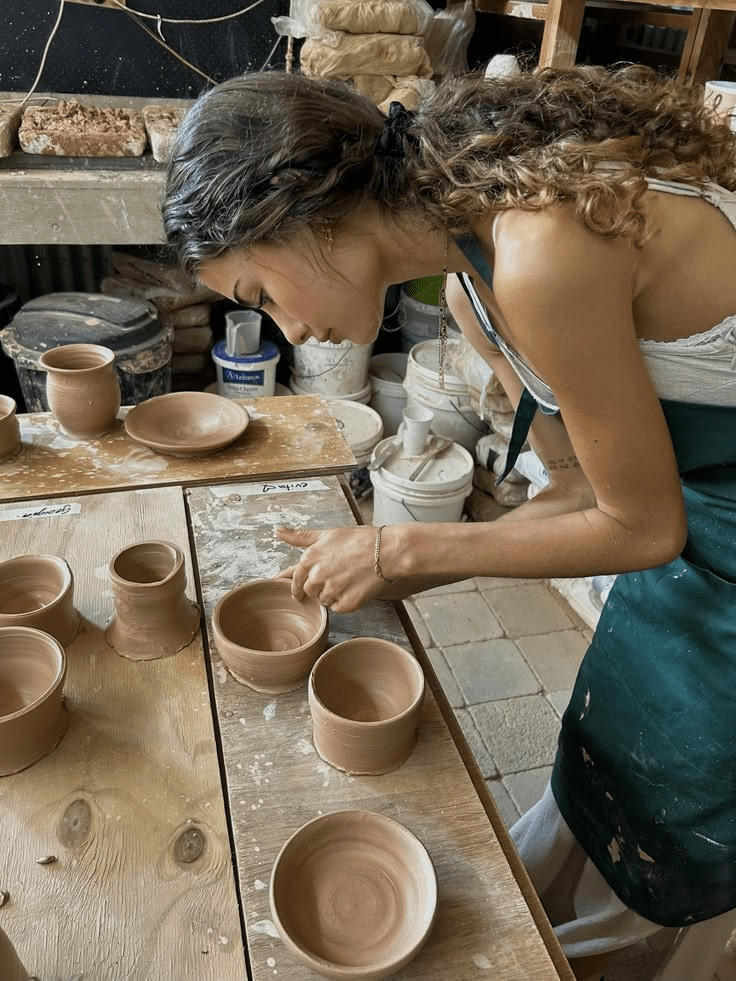
Creative hobbies provide a wonderful way to spend time without focusing on productivity or achievement. Choose an activity that allows you to experiment and enjoy the process.
Try painting, sketching, photography, crafting, baking, knitting, gardening, writing, decorating, or another activity that interests you.
You do not need expensive supplies or professional skills. Start with what you already have and choose beginner-friendly projects.
Give yourself permission to create something imperfect. The value is in experimenting, concentrating on something enjoyable, and expressing your ideas.
If you only have a short amount of time, choose projects that can be completed in 20–30 minutes. Keeping your supplies organized and accessible can also make it easier to start.
11. Cook Your Favorite Meal

Turn cooking from a routine responsibility into an intentional personal experience. Choose a favorite meal and give yourself permission to prepare it slowly.
Put on music, gather your ingredients, and enjoy the process. You can follow a new recipe or recreate a meal you already love.
If cooking feels more like work than relaxation, keep it simple. Make your favorite breakfast, prepare a colorful salad, bake something small, or assemble a snack plate.
Once the food is ready, make the meal feel special. Use your favorite plate, set the table, and eat without scrolling on your phone.
Cooking for yourself can be a simple way to practice everyday self-care while enjoying something you created.
12. Practice Gratitude
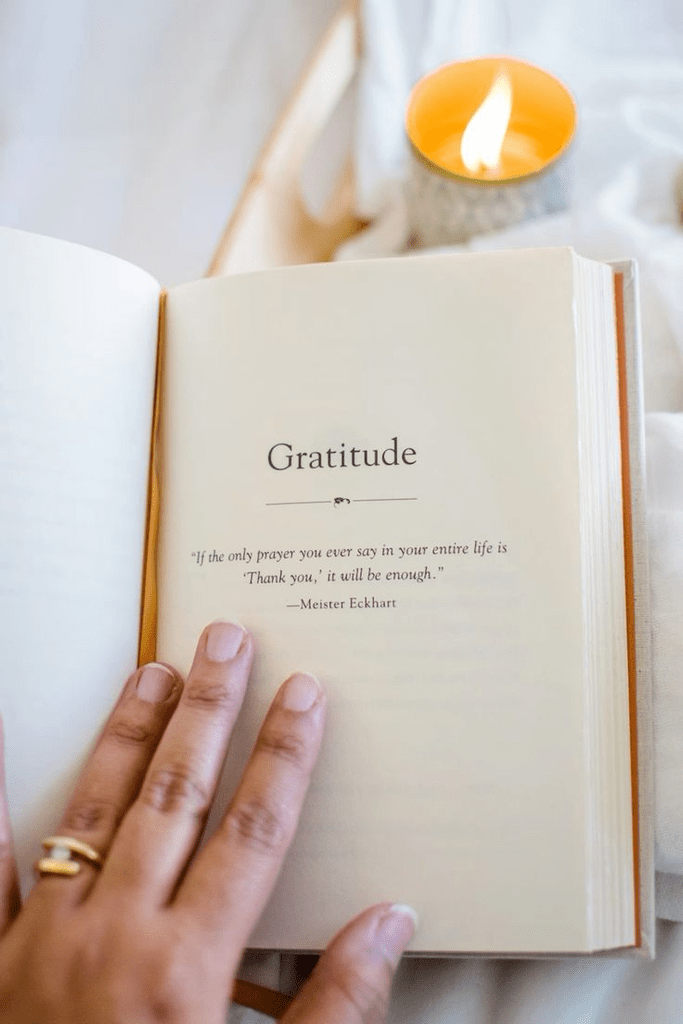
Take a few minutes to notice the things you appreciate about your everyday life. Gratitude does not require ignoring difficulties. It simply encourages you to pay attention to positive experiences alongside challenges.
Write down three things you appreciated that day. They could be major moments or very ordinary details, such as a good conversation, a peaceful morning, a delicious meal, pleasant weather, or progress on something important.
Try to be specific. Instead of writing “I am grateful for my friends,” describe a particular conversation or moment that made you feel connected.
You can keep a separate gratitude journal or include gratitude entries in your regular journal.
A short gratitude practice can become a peaceful way to end the day and create a habit of noticing meaningful moments.
13. Give Yourself Permission to Do Nothing

Not every minute of me-time needs to support personal development. Sometimes you simply need to stop.
Sit somewhere comfortable, put your phone away, look out a window, listen to your surroundings, or lie down and rest.
If you are used to staying busy, doing nothing may initially feel strange. You might feel that you should be reading, cleaning, exercising, or completing another task.
Allow yourself to experience quiet without immediately filling it. Rest can be valuable even when it produces no visible result.
Start with five or ten minutes if a longer period feels uncomfortable. Over time, you may become more comfortable with periods of intentional stillness.
14. Take Yourself on a Mini Solo Outing
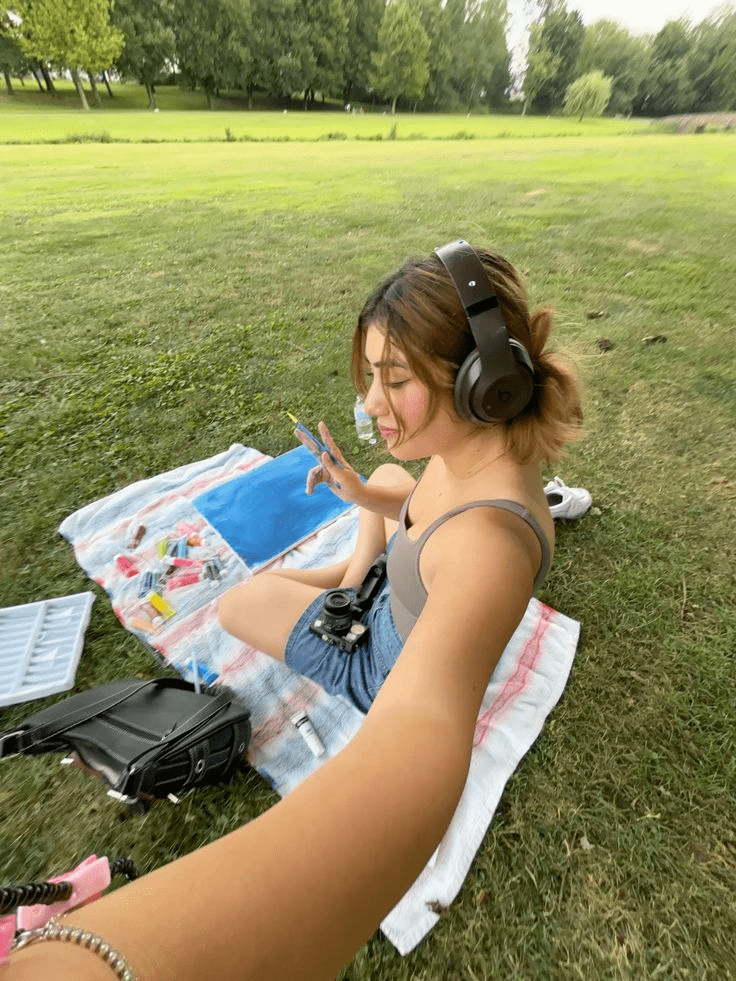
You do not need to travel far to enjoy a solo adventure. Choose a place you have wanted to visit and spend a few hours exploring it on your own.
Visit a bookstore, museum, gallery, café, market, botanical garden, park, or interesting neighborhood. You could also take yourself out for lunch or explore a local attraction.
The best part of a solo outing is the freedom to follow your own interests. You can move at your own pace, change your plans, and spend as much time as you want in places you enjoy.
Bring a camera or notebook if you want to document the experience, but do not feel obligated to turn it into social media content.
A small solo outing can help you become more comfortable enjoying your own company and can bring some variety to a familiar routine.
15. Schedule a Weekly Me-Time Appointment
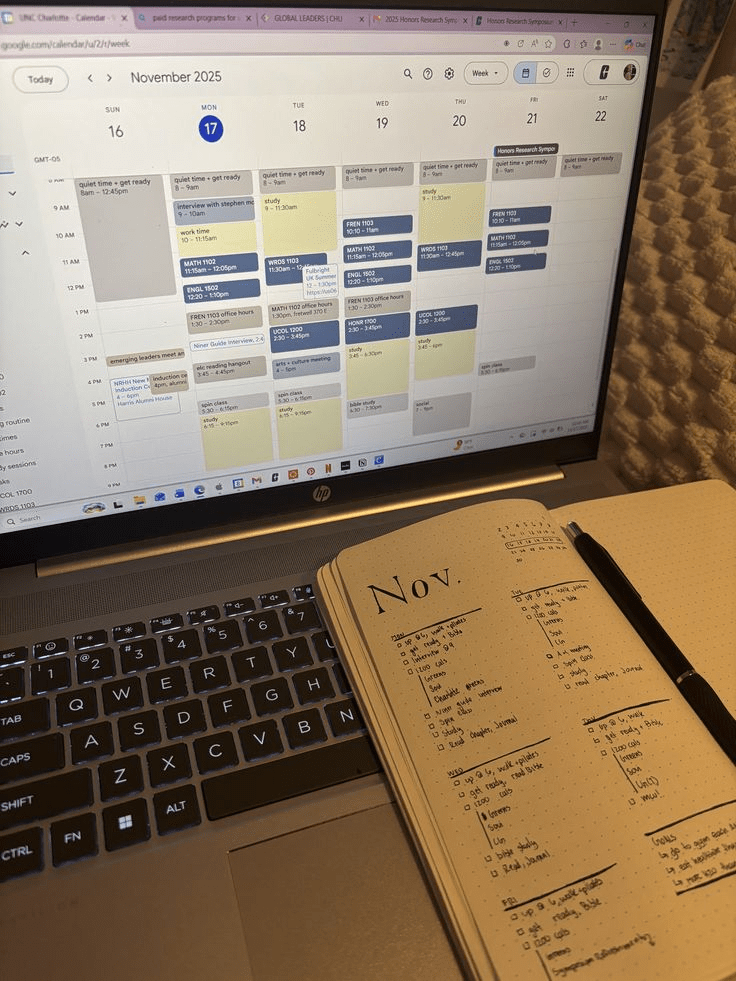
One of the easiest ways to make me-time consistent is to schedule it. Choose a specific time each week and treat it as an appointment with yourself.
Your activity can change from week to week. You might read one week, take a walk the next, work on a hobby, enjoy a quiet coffee, or simply rest.
Write the time into your calendar and protect it whenever possible. If something genuinely important interrupts your plans, reschedule your me-time rather than automatically canceling it.
Start with 20–30 minutes if your schedule is busy. Consistency matters more than duration.
When personal time becomes a normal part of your weekly routine, it becomes easier to prioritize your well-being instead of waiting until you feel exhausted or overwhelmed.
Summary
Me-time does not need to be expensive, complicated, or highly productive. Simple activities such as journaling, reading, walking, learning, creative hobbies, cooking, spending time outdoors, and enjoying a quiet coffee break can create meaningful space in your everyday routine.
The most important thing is to choose activities based on what you genuinely need. Some days may call for personal growth and reflection, while others may call for rest, quiet, or simple enjoyment. Start with one small activity and schedule it regularly. Over time, these intentional moments can help you feel more balanced, connected to yourself, and prepared for everyday life.
FAQ
1. What is me-time?
Me-time is intentional time set aside for yourself, your interests, relaxation, reflection, or personal well-being without focusing on other people’s immediate needs.
2. How much me-time should I have?
There is no universal amount. Even 10–20 minutes can be valuable. Choose an amount that fits realistically into your schedule.
3. What are easy me-time ideas at home?
Reading, journaling, taking a warm shower, practicing a hobby, cooking, decluttering a small space, enjoying coffee without your phone, and simply resting are all easy options.
4. Can me-time help with personal growth?
Yes. Activities such as journaling, learning new skills, reviewing goals, and practicing creative hobbies can provide opportunities for reflection, learning, and self-development.
5. Does me-time have to be productive?
No. Rest is also an important part of personal well-being. You can use some me-time for growth and some simply for relaxation.
6. What can I do if I only have 10 minutes?
Try journaling, stretching, taking a short walk, drinking coffee without your phone, practicing gratitude, reading a few pages, or sitting quietly.
7. How can I make me-time a habit?
Choose a realistic time, add it to your calendar, and start with a short activity you enjoy. Treating personal time as a regular appointment can make it easier to maintain.
8. What is the best me-time activity?
There is no single best activity. Choose something that matches your current needs. If you need energy, try walking; if you need reflection, journal; if you need rest, do something quiet and relaxing.