
Becoming a better version of yourself does not require changing your entire life overnight. Real personal growth often comes from small actions repeated consistently. The idea of becoming 1% better each day is about focusing on manageable improvements rather than expecting immediate perfection. A few minutes spent reading, planning, exercising, reflecting, or learning can gradually create habits that support a more productive and balanced lifestyle.
Daily habits are powerful because they reduce the need to rely on motivation. When a positive behavior becomes part of your routine, you are more likely to continue it even on busy or difficult days. The goal is not to have a perfect day every day, but to create simple systems that help you keep moving forward. Even small improvements in how you use your time, care for yourself, communicate, and approach challenges can add up over months and years.
If you want to make steady progress without feeling overwhelmed, start small. Choose a few habits from this list, make them easy to repeat, and gradually build from there. Your journey toward personal growth does not have to be dramatic—it simply needs to be consistent.
1. Start Your Day With a Simple Plan
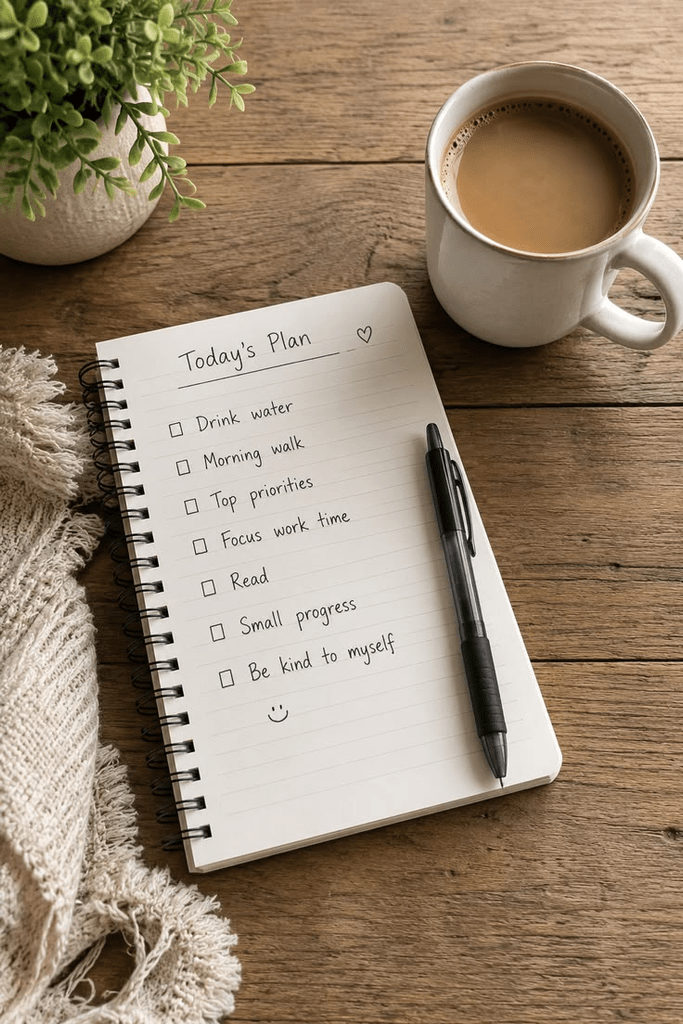
Taking a few minutes to plan your day can help you focus on what actually matters. Instead of immediately reacting to messages, notifications, and other people’s requests, identify the tasks and priorities that deserve your attention.
Write down three important things you would like to accomplish. These do not have to be major goals. Completing an important work task, exercising for 20 minutes, preparing a healthy meal, or spending quality time with family can all count.
Avoid creating an enormous to-do list that makes the day feel overwhelming. A short list gives you a clearer sense of direction and makes it easier to recognize progress.
You can also check your schedule for appointments, deadlines, and commitments before deciding how much time to give yourself for personal goals. This small planning habit can help you become more intentional with your time.
Over time, starting the day with a plan can encourage better organization and reduce the feeling that the entire day is controlling you.
2. Read or Learn Something Every Day

Learning a little every day is one of the simplest ways to support long-term personal growth. You do not need to spend hours studying. Even 10 to 20 minutes of focused learning can help you develop knowledge and curiosity.
Read a few pages of a book, listen to an educational podcast, watch a useful tutorial, or explore a subject connected to your goals. You might learn about communication, finances, creativity, technology, cooking, history, or another area that interests you.
The key is consistency. Instead of trying to finish an entire book in a weekend, create a realistic routine that you can maintain.
Keep a small list of topics you want to understand better so you always have something interesting to explore. You can also write down one useful idea you learned each day.
Over time, these small learning sessions can expand your knowledge and give you new perspectives. More importantly, they reinforce the habit of being curious and actively improving your skills.
3. Move Your Body

Regular movement is an important part of taking care of yourself. You do not need an intense workout every day to build a healthier routine. Walking, stretching, cycling, dancing, strength exercises, or a short home workout can all help you stay active.
Choose movement that feels realistic for your lifestyle. If you have a busy schedule, a 15-minute walk may be easier to maintain than a long gym session. The goal is to make physical activity a regular part of your day.
You can also connect movement with existing routines. Take a short walk after lunch, stretch while listening to a podcast, or take the stairs when practical.
Consistency matters more than doing the perfect workout. When movement becomes a daily habit, it can support your energy, mobility, and overall well-being.
Start with an amount that feels manageable and gradually increase the challenge when you are ready. Small steps are much easier to maintain than an unrealistic routine that leaves you exhausted.
4. Spend a Few Minutes Without Your Phone

Technology can be useful, but constant notifications and scrolling can make it difficult to focus on your own thoughts. Creating a short phone-free period each day can help you become more intentional with your attention.
Try leaving your phone in another room while you eat breakfast, take a walk, read, journal, or enjoy your evening routine. Even 15 to 30 minutes without checking your screen can give your mind a break from constant stimulation.
Use that time for something meaningful or simply quiet. You might drink coffee, look outside, organize your space, stretch, or think about your day.
You do not have to eliminate technology to benefit from this habit. The goal is simply to create moments where you choose what deserves your attention instead of automatically responding to every notification.
As you become comfortable with short phone-free periods, you may find it easier to concentrate on tasks and enjoy everyday activities without constantly reaching for your device.
5. Keep Your Space a Little More Organized

Your environment can influence how easy it feels to complete everyday tasks. You do not need to completely reorganize your home every day. Instead, spend a few minutes putting things back where they belong.
Choose one small area at a time. Clear your desk, organize a drawer, wash the dishes, put away clothes, or tidy your workspace before ending the day.
The benefit of this habit comes from consistency. A few minutes of daily tidying can prevent small messes from becoming overwhelming projects.
You can also create simple rules, such as putting an item away immediately after using it or spending five minutes resetting your workspace before bed.
An organized environment does not have to look perfect. The goal is to create a space that feels easier to use and supports the activities that matter to you.
Small improvements to your surroundings can make everyday routines feel smoother and help you start the next day with less visual clutter.
6. Write Down One Thing You Are Grateful For

Gratitude can be a simple way to shift your attention toward the positive aspects of everyday life. At the end of the day, write down one thing you appreciated.
It could be something significant, such as reaching an important goal, or something ordinary, such as enjoying a good meal, having a pleasant conversation, seeing a beautiful sunset, or getting a quiet moment to yourself.
You do not need to write a long journal entry. One or two sentences are enough. The purpose is to pause and consciously recognize something that made your day better.
Try to avoid repeating the same answer every day if you can. Look for small details that you might otherwise overlook.
This habit can also encourage you to pay more attention to positive moments throughout the day because you know you will reflect on them later. Over time, a short gratitude practice can become a calming part of your evening routine.
7. Review Your Progress Before Bed
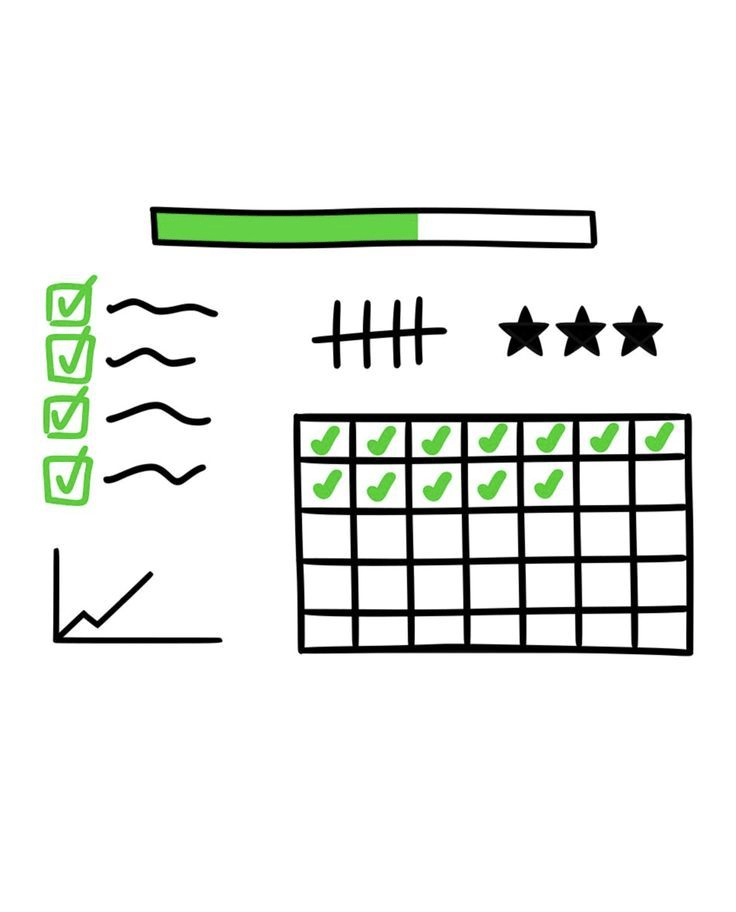
A short evening review can help you learn from your day instead of simply moving on to the next one. Spend five minutes asking yourself a few simple questions.
What went well today? What could have gone better? What did I learn? What is one thing I want to do differently tomorrow?
Be honest without being overly critical. The purpose is not to judge yourself but to identify patterns and opportunities for improvement.
If you completed an important task, acknowledge it. If you struggled with something, consider what might make it easier next time. This turns everyday experiences into useful information.
You can write your answers in a notebook or simply think about them before going to sleep.
A regular reflection habit can help you become more aware of how your choices affect your goals. Instead of repeating the same patterns automatically, you create opportunities to adjust and improve.
8. Practice One Small Act of Kindness

Personal growth is not only about productivity and achievement. The way you treat other people is also an important part of becoming a better person.
Make an effort to perform one small act of kindness each day. Send an encouraging message, thank someone sincerely, help with a task, listen without interrupting, or give someone your full attention during a conversation.
These actions do not need to cost money or take much time. Often, simple gestures can make someone’s day a little easier.
Kindness can also improve the quality of your relationships by encouraging you to become more attentive to the people around you.
Try not to make kindness another performance goal. The purpose is to develop a habit of noticing opportunities to be helpful, respectful, and considerate.
When practiced consistently, small acts of kindness can become part of your character rather than something you only do occasionally.
9. Do One Thing That Moves You Toward a Goal

Large goals can feel intimidating when you focus on everything that needs to happen at once. A better approach is to identify one small action you can take today.
If your goal is to write a book, write one paragraph. If you want to improve your finances, review one expense. If you want to learn a language, practice a few new words. If you want to develop a career skill, spend 20 minutes learning it.
The action may seem small, but it keeps your goal connected to your everyday life.
Try asking yourself each morning: What is one thing I can do today that my future self will appreciate?
Some days you may have time for major progress. On other days, maintaining the habit with a tiny step may be enough.
The important thing is to keep moving. Consistent small actions can make ambitious goals feel more manageable and help you build confidence through repeated progress.
10. Go to Bed With Tomorrow in Mind

A good evening routine can make the following morning easier. Before going to bed, take a few minutes to prepare for tomorrow.
Check your schedule, choose your priorities, prepare anything you need for the morning, and tidy your immediate surroundings. You might also decide what you will wear, prepare breakfast ingredients, or make a short task list.
Avoid turning this into another complicated routine. The goal is simply to remove unnecessary decisions from the next day.
Give yourself enough time to wind down rather than trying to squeeze productivity into every remaining minute. A calm evening can help create a better transition between work and rest.
When you prepare for tomorrow, you are essentially giving your future self a small advantage.
This habit also reinforces the larger idea behind becoming 1% better: improvement does not always require doing more. Sometimes it means making life easier, creating better routines, and setting yourself up to succeed.
Summary
Becoming 1% better in life is about making small improvements that you can repeat consistently. You can start by planning your day, learning something new, moving your body, taking breaks from your phone, organizing your surroundings, practicing gratitude, reflecting on your progress, showing kindness, working toward meaningful goals, and preparing for tomorrow.
You do not need to adopt all ten habits immediately. Choose two or three that fit naturally into your current lifestyle and focus on making them consistent. Once they become comfortable, gradually introduce another habit.
Personal growth is rarely about one dramatic transformation. It is built through ordinary choices repeated over time. Small progress still counts, and a better routine today can help create a stronger foundation for tomorrow.
FAQ
What does becoming 1% better every day mean?
It means focusing on small, sustainable improvements rather than trying to completely transform your life at once. The goal is consistent progress in areas such as health, productivity, relationships, learning, and personal development.
Do I need to follow all 10 habits every day?
No. Start with a few habits that feel realistic for your lifestyle. Consistency is generally more useful than trying to adopt too many changes at once.
How long does it take to see progress from daily habits?
It varies depending on the habit and the person. Some benefits may be noticeable quickly, while meaningful behavioral changes often require repeated practice over time.
What is the easiest habit to start with?
Daily planning, a short walk, reading for 10 minutes, or a five-minute evening reflection are simple options that require little preparation.
How can I stay consistent with new habits?
Make the habit small, connect it to an existing routine, track your progress if helpful, and avoid expecting perfection. Missing one day does not mean you have failed.
Can small habits really make a difference?
Yes. Small actions can accumulate over time, especially when they are repeated consistently. They can also make larger goals feel more manageable by turning them into everyday behaviors.
What should I do if I lose motivation?
Reduce the habit to its smallest possible version. Instead of skipping a goal completely, do a tiny amount—for example, read one page, walk for five minutes, or write one sentence. Keeping the routine alive can make it easier to return to your normal level later.
Is becoming 1% better about productivity?
Not necessarily. Personal growth can include productivity, but it can also involve relationships, health, emotional awareness, learning, organization, kindness, creativity, and enjoying life more intentionally.