When Gilbert de Clare died at the Battle of Bannockburn in 1314, he left behind more than a fallen nobleman’s legacy. He left a problem.
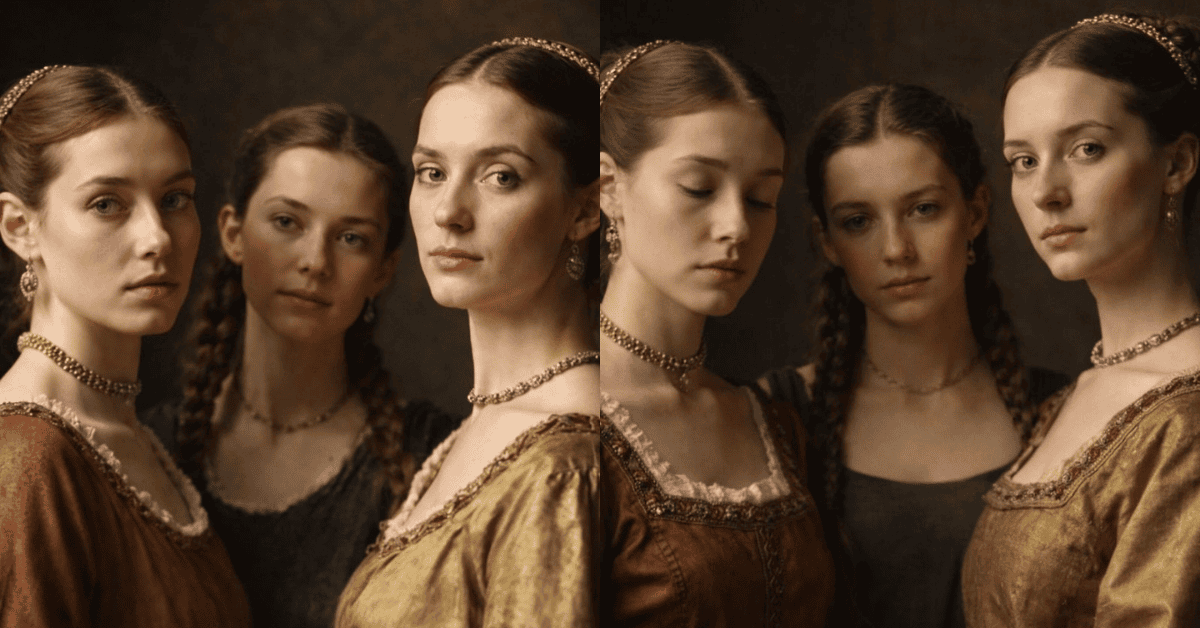
Gilbert had no surviving sons. His vast estates some of the richest lands in England and Wales were suddenly inherited by his three sisters: Eleanor, Margaret, and Elizabeth de Clare. In a medieval world where land meant power and women were not expected to hold it, their inheritance made them enormously wealthy and instantly vulnerable.
Overnight, the de Clare sisters became political prizes.
Each controlled land that kings wanted to influence, rivals wanted to seize, and ambitious men wanted to marry into. Their lives quickly became entangled in the brutal politics of Edward II’s reign, where favor shifted quickly and survival depended on timing more than loyalty.
Eleanor de Clare was married to Hugh Despenser the Younger, one of Edward II’s most notorious favorites. Through her, Despenser gained enormous power and made countless enemies. When the Despensers fell from favor, Hugh was brutally executed, and Eleanor was imprisoned. Her lands were seized. Her children were taken from her. She survived only by outlasting the men who destroyed her world.
Margaret de Clare was married to Piers Gaveston, another royal favorite whose arrogance and influence provoked widespread hatred. Gaveston was captured and executed by rival nobles, leaving Margaret widowed and politically exposed. She later remarried, navigating court politics carefully to protect her inheritance and regain stability.
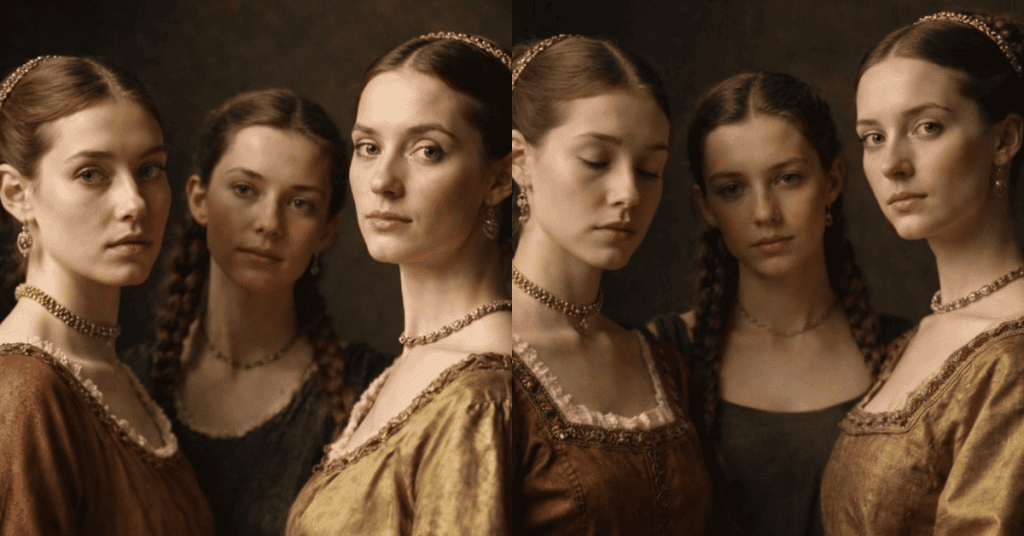
Elizabeth de Clare’s story was no less dangerous. Widowed young, she was later abducted by a nobleman seeking control of her lands through forced marriage. Even after regaining her freedom, she endured multiple marriages shaped less by affection than by strategy, power, and survival.
Each sister’s life followed a different path, but the pattern was the same.
Marriage was not protection.
Wealth was not safety.
Status made them targets.
Kings rose and fell around them. Favorites were executed. Courts turned deadly. Yet through imprisonment, forced alliances, and political chaos, all three sisters survived.
They adapted.
They negotiated.
They waited.
They endured.
Unlike the men who tried to control them, the de Clare sisters lived long enough to reclaim autonomy over their estates and legacies. They funded religious houses, commissioned buildings, and shaped regional power long after the men who once dominated court politics were gone.
History often treats medieval noblewomen as passive figures moved between husbands and rulers. The de Clare sisters prove otherwise. Their lives reveal how women could survive and sometimes outlast systems designed to consume them.
They did not win battles.
They survived power.
And in a century where that power killed kings’ favorites and shattered dynasties, survival itself was a form of victory.