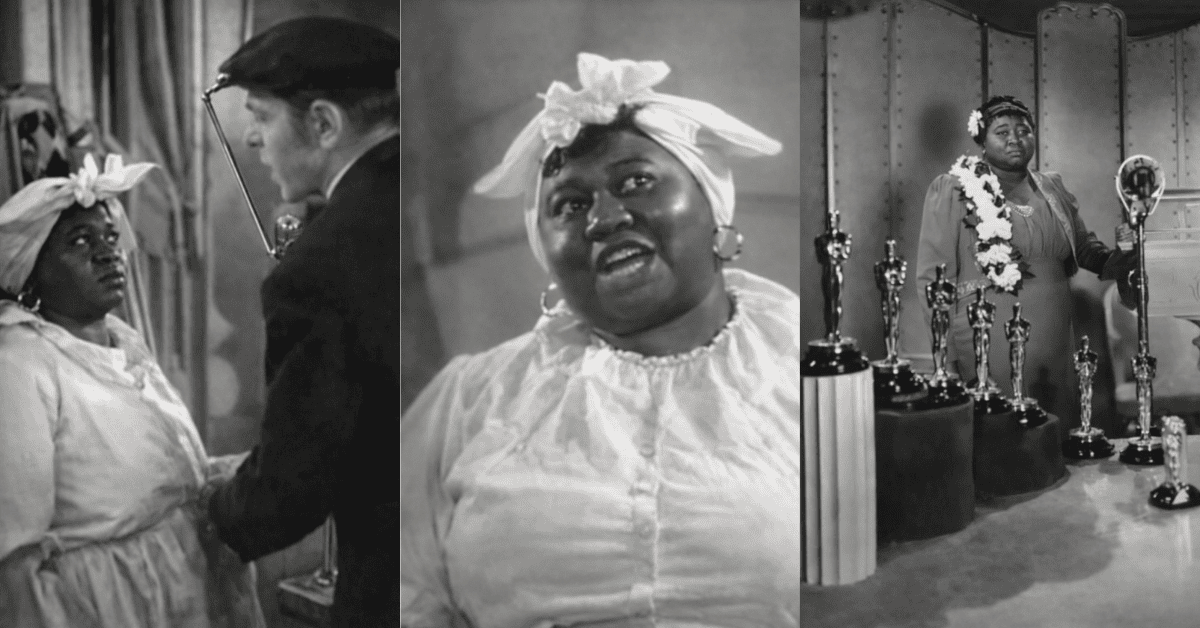
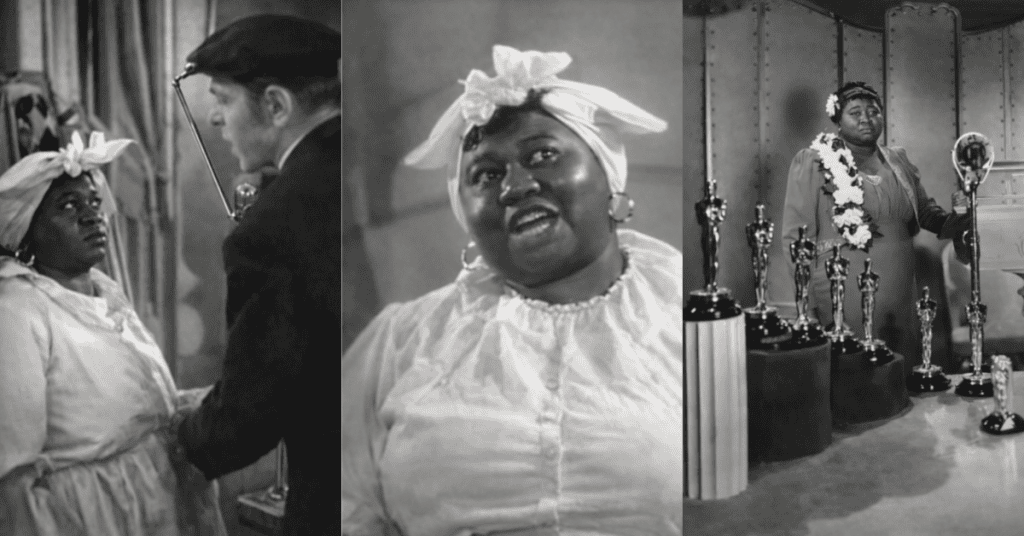
When Hattie McDaniel’s name was announced at the 1940 Academy Awards, history was made.
She won Best Supporting Actress for her role as Mammy in Gone with the Wind, becoming the first Black American ever nominated for and to win an Oscar. It should have been a moment of unambiguous celebration. Instead, it exposed the painful contradictions of success in a segregated America.
The ceremony was held at the Ambassador Hotel’s Coconut Grove nightclub in Los Angeles. At the time, the venue enforced racial segregation. Hattie McDaniel was permitted to attend only after special arrangements were made and even then, she was required to sit at a small table at the edge of the room, separated from her white co-stars.
She accepted the award anyway.
Dressed elegantly, composed and gracious, Hattie delivered a short, dignified speech. She thanked the Academy and expressed hope that she would always be “a credit to my race and to the motion picture industry.” It was a carefully chosen statement proud, restrained, and painfully aware of the moment’s limits.
Hattie McDaniel was not naïve about those limits.
Born in 1895 to formerly enslaved parents, she had built her career through radio, stage, and film at a time when roles for Black actors were overwhelmingly restricted to stereotypes. She took the work that was available, understanding that visibility itself was a form of progress in an industry that often erased Black talent entirely.
Her portrayal of Mammy brought her fame and criticism. Some argued that the role reinforced harmful images. Hattie responded with honesty. She said she understood the character through the lived experience of her grandmother and believed dignity could exist even within constrained roles. “I’d rather play a maid than be one,” she famously said not as surrender, but as realism.
The Oscar did not change her treatment in Hollywood.
Despite her achievement, Hattie continued to face segregation, limited roles, and systemic barriers. She was barred from the Gone with the Wind premiere in Atlanta because of Jim Crow laws. She remained excluded from opportunities routinely offered to white performers with fewer accolades.
Yet she kept working.
Hattie McDaniel became one of the most recognizable performers of her era, bringing warmth, humor, and emotional depth to every role she played. She knew the cost of visibility and paid it anyway.
She died in 1952, just 57 years old. For decades, her Oscar was lost, later presumed destroyed.
But her legacy endured.
Hattie McDaniel opened a door that had been locked shut. She proved that Black excellence could not be denied, even when it was constrained, segregated, and reluctantly acknowledged.
Her win was not just a victory.
It was a mirror showing America who it celebrated, who it excluded, and how far it still had to go.
History remembers the award.
But it should also remember the table where she was forced to sit and the grace with which she stood anyway.