
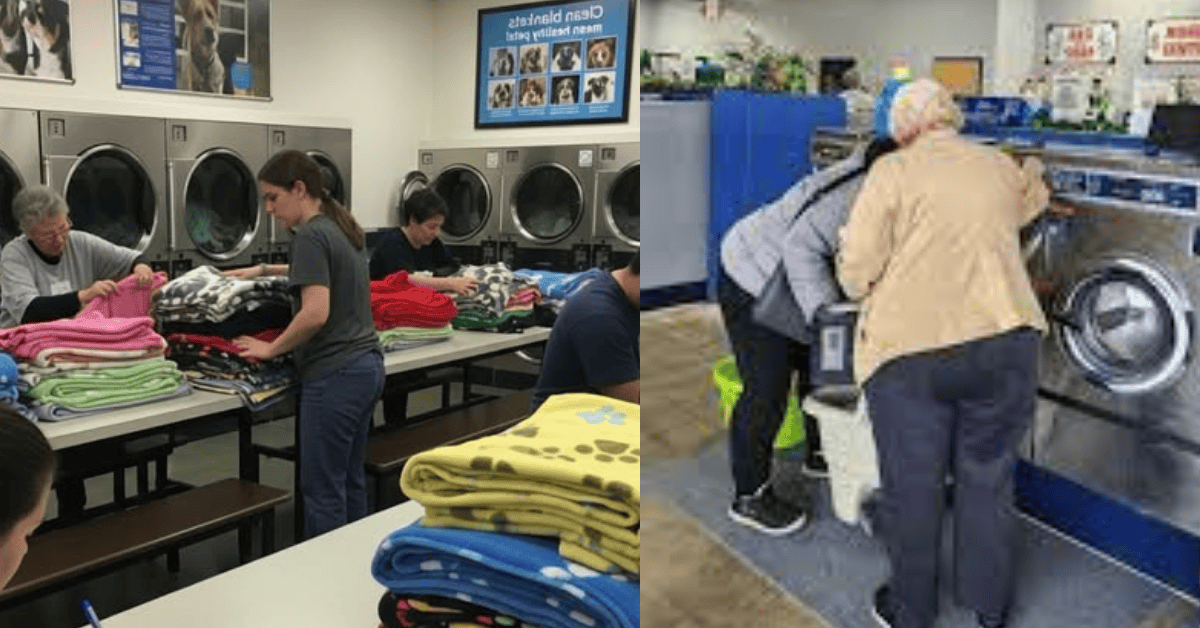
My apartment’s washing machine broke, so I started going to the laundromat. That’s where I met her.
Every Wednesday. Same time. Six o’clock sharp.
She was always there before me—a woman maybe in her early thirties—calmly loading washer after washer. Not one or two. Six machines at once. Every single time. While the rest of us stood around waiting, she’d sit down with a book, completely unbothered, all the washers humming around her.
I was furious.
One night I finally snapped. “You know other people need to do laundry, right?”
She looked up briefly. Didn’t argue. Didn’t apologize. Just went back to reading.
Week after week, it kept happening. Other customers complained too. The owner only shrugged. “She pays. What can I do?”
That answer didn’t sit right with me.
One Wednesday, I’d had enough. “This is ridiculous,” I said, loud enough for people to hear. “Why do you need six machines? That’s just selfish.”
She closed her book slowly and looked at me. “You’re right,” she said quietly. “It is selfish.”
Then she packed up and walked out.
I felt victorious. Like I’d restored justice to the laundromat.
The next Wednesday, she wasn’t there. Or the week after. The place felt strangely emptier—quieter, somehow.
Then the owner pulled me aside. “You happy now?” he asked.
“What?”
“You drove away my best customer.”
“She was hogging machines.”
He sighed and reached under the counter, pulling out a worn notebook. “You know what she was washing? Sixty-three blankets. Every week.”
I blinked. “Blankets?”
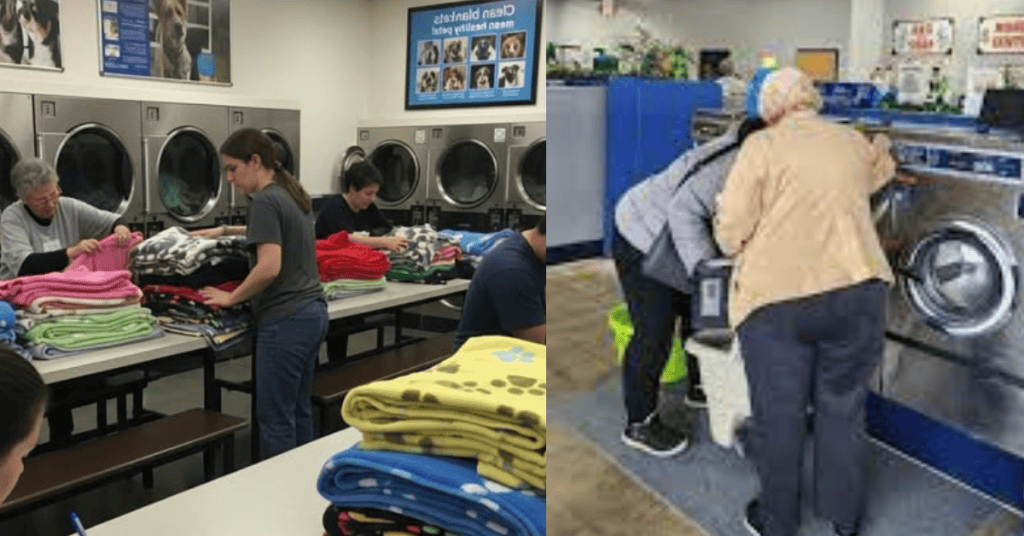
“She volunteers at the animal shelter. They don’t have washing machines. Sick dogs. Injured cats. Abandoned animals. She takes every blanket home, washes them on her own dime, and brings them back clean. Eleven miles each way. For two years.”
My face burned.
He flipped through the notebook. Each page was carefully labeled:
“Dog #24 — mange treatment, gentle cycle.”
“Cat #9 — parvo exposure, double wash.”
“She tracked every single blanket,” he said. “Didn’t miss one.”
The next day, I went to the shelter. Asked for her.
“Rachel?” one of the staff said. “She stopped volunteering. Said she couldn’t keep up with the laundry anymore.”
I found her outside, loading kennels into a truck.
“I’m sorry,” I said. “I didn’t know. I thought you were just… I don’t know.”
“Most people do,” she replied.
“Let me help,” I said quickly. “With the laundry. We can split the machines.”
She studied me for a long moment. “Why?”
“Because I was wrong,” I said. “And sixty-three blankets is too much for one person.”
Now it’s both of us. Wednesdays at six. Twelve machines between us. Done in half the time. When people look annoyed, we explain—shelter blankets, sick animals, we’ll be quick. No one complains.
Last month, three more people joined us. Now we wash over a hundred blankets every week. The shelter says their adoption rate has gone up. Clean, soft bedding makes a difference.
Rachel told me something recently. “After you yelled at me, I almost quit for good. I thought maybe I was being selfish. Then I pictured the dogs sleeping on concrete floors.”
I almost destroyed something beautiful because I assumed the worst.
That woman “hogging” washing machines?
She was washing hope—for animals with no one else.
Before you complain about someone inconveniencing you, pause.
Ask yourself one simple question: