
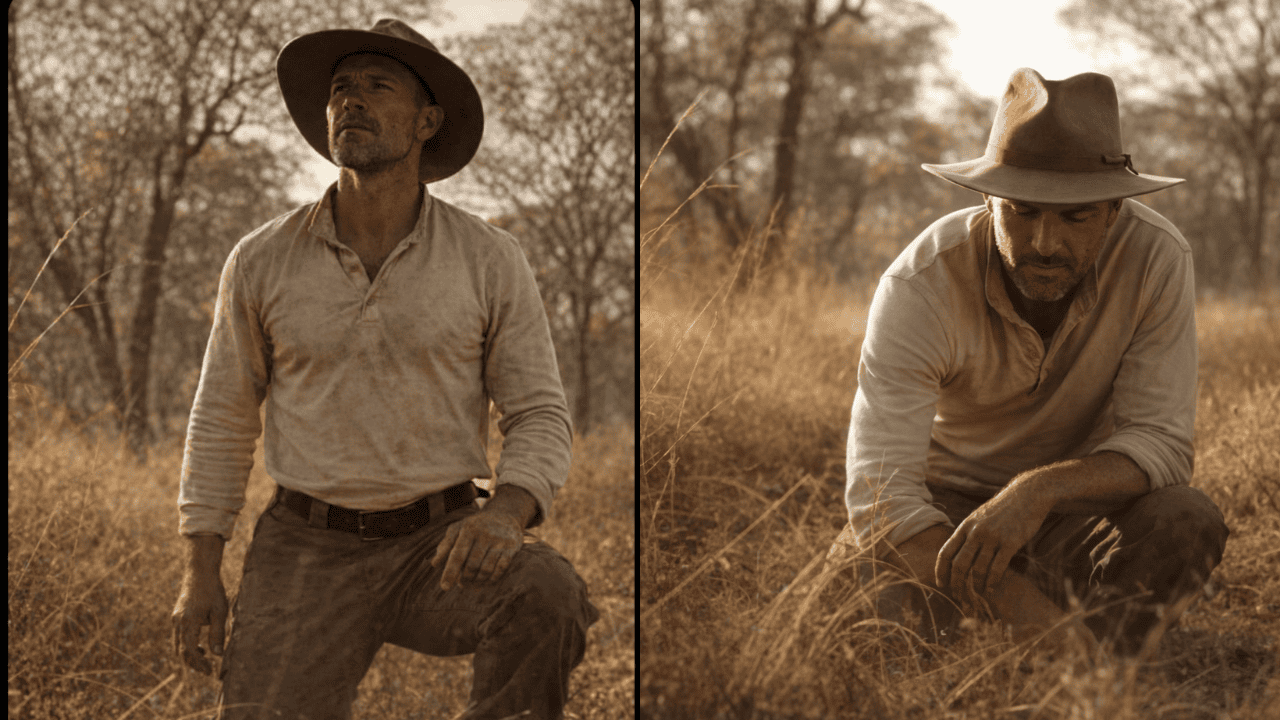
In 1864, the Australian bush stretched vast and unforgiving, a landscape both beautiful and dangerous, where survival depended on knowledge as much as endurance. That year, three children wandered into this wilderness and did not return. What began as a simple outing soon turned into a growing fear that something had gone terribly wrong.
As hours turned into days, hope began to fade. The bush was not a place that easily gave up its secrets. Thick scrub, endless stretches of land, and harsh conditions made search efforts painfully difficult. There were few clear tracks, and the environment itself seemed to swallow any sign of movement. Those searching faced not only the physical challenge of the terrain but the emotional weight of uncertainty.
With each passing day, the situation grew more desperate. The children were young, unprepared for the realities of the wild. Exposure, dehydration, and exhaustion were constant threats. The longer they remained missing, the more likely it seemed that the outcome would be tragic.
Yet amid the uncertainty, a different kind of skill entered the search.
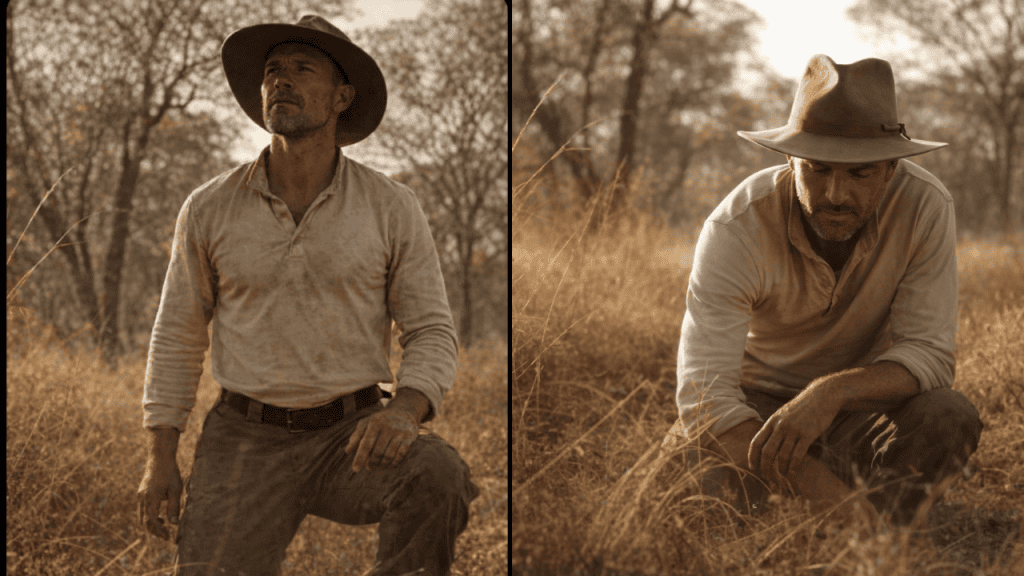
A tracker—someone deeply familiar with the land—joined the effort. Unlike others, he did not rely on obvious signs. Instead, he read the ground in ways few could understand. Subtle disturbances in the soil, faint impressions, broken twigs—clues so small they could easily be overlooked—became a trail in his eyes.
Moving through the wilderness, he followed what others could not see. His knowledge of the land, built over years of experience, allowed him to piece together the children’s path. It was slow, careful work, requiring patience and absolute focus. But step by step, the trail began to lead somewhere.
Days later, against what many had begun to believe, the children were found.
They were alive.
Exhausted and weakened, but alive. The bush had tested them, but they had endured. What had seemed like a story destined for sorrow became something else—a powerful reminder of survival, resilience, and the importance of knowledge passed down through generations.
The rescue was not just a moment of relief, but a testament to the value of understanding the land. In a place where even the smallest detail could mean the difference between life and death, the tracker’s skill made all the difference.
The story of those lost children remains one of the many accounts that highlight both the dangers of the Australian bush and the remarkable ability of those who know it best. In a landscape that can easily overwhelm, it was not force or speed that led to success, but patience, observation, and a deep connection to the environment.
What began as fear ended in survival—and in that, a story that continues to endure.