
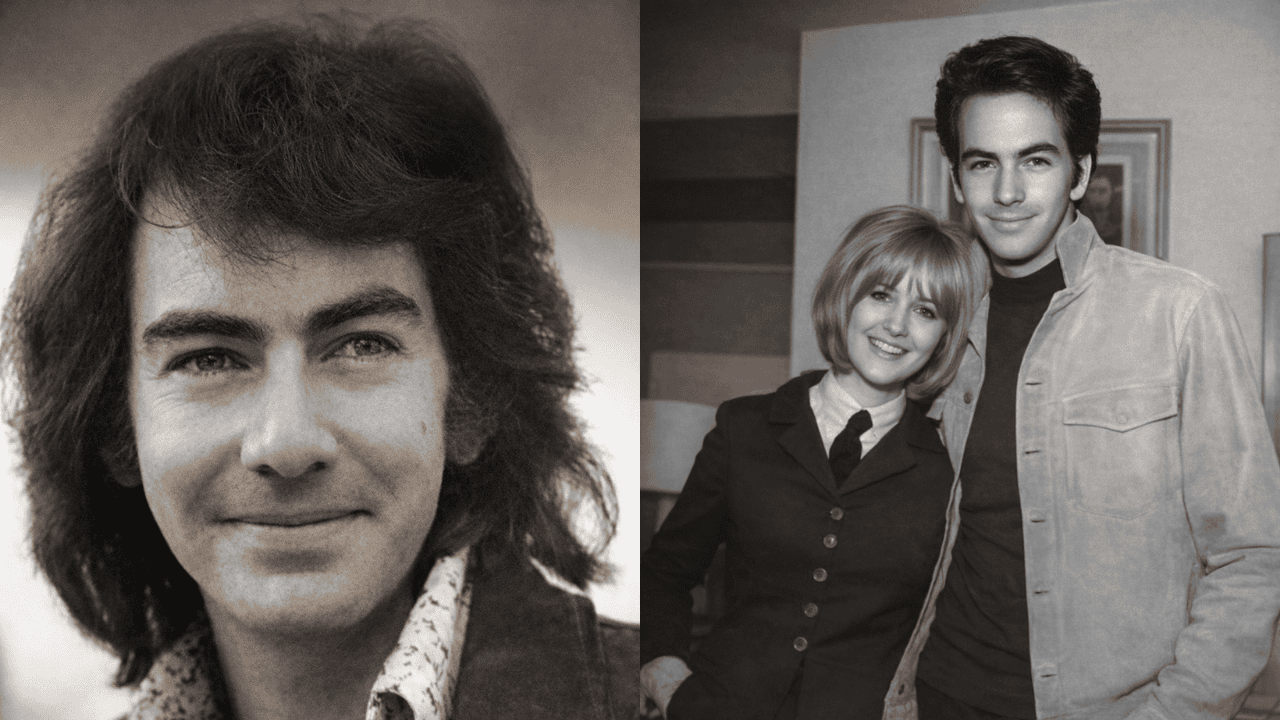
In 1965, inside a modest dorm room at New York University, a young man made a decision that would change the course of his life—and eventually, music history. Neil Diamond, then a pre-med student with a scholarship and a clear path toward stability, closed his textbooks and picked up a guitar. It was not a dramatic moment to anyone else, but for him, it meant walking away from everything that was expected.
Diamond had grown up in Brooklyn, surrounded by the rhythms of city life and the sounds of popular music. Like many young men of his time, he pursued a practical future, one that promised security and respect. Medicine offered that path. But something else had been quietly growing alongside it—a pull toward songwriting, toward expression, toward something uncertain yet deeply personal.
Leaving behind his studies was not a leap into instant success. Far from it.
To support himself, Diamond took a job writing songs for a small weekly wage. The work was steady, but recognition was not. For years, he wrote songs that few people heard, performing in small venues and empty rooms. While others around him moved forward into stable careers, he remained in a space of uncertainty, chasing something that had no guarantees.
There were moments when it could have ended there—when the lack of success might have pushed him back toward the life he had left behind. But Diamond persisted. He continued writing, refining his craft, and believing in something that had yet to prove itself.
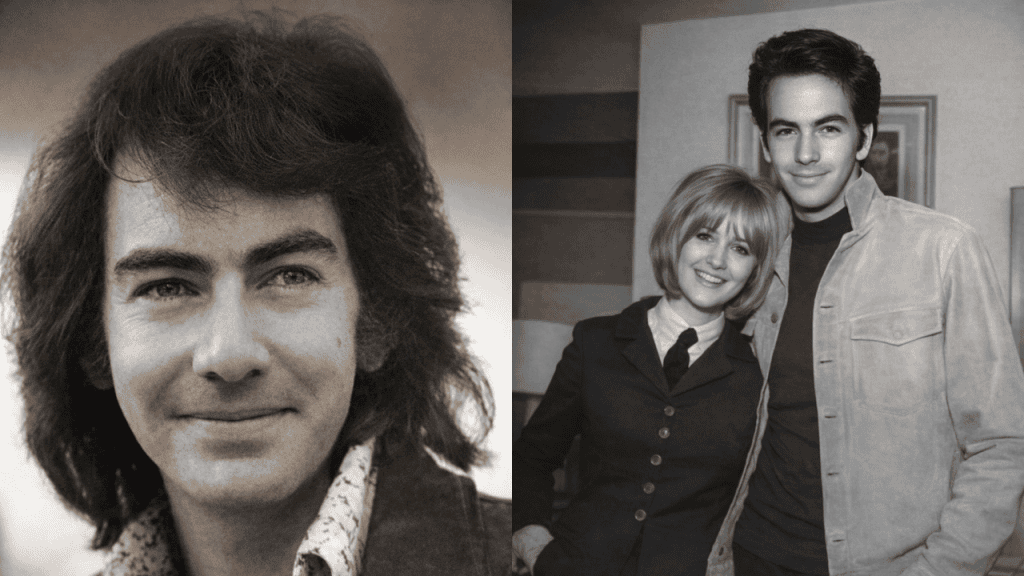
Then, slowly, things began to change.
In 1966, he wrote “I’m a Believer,” a song that would go on to become a massive hit for The Monkees, reaching the top of the charts and bringing his songwriting into the spotlight. It was a turning point. For the first time, his work reached a wide audience, proving that the years of struggle had not been in vain.
But Diamond was not content to remain behind the scenes.
He stepped forward as a performer, building his own identity as an artist. His voice—distinct, emotional, and unmistakable—began to resonate with listeners. By 1969, he released “Sweet Caroline,” a song that would take on a life of its own. It became more than just a hit; it became a shared experience, sung by crowds across generations.
What makes Neil Diamond’s story compelling is not just the success that followed, but the uncertainty that came before it. He did not step into a clear path. He stepped away from one.
His journey is a reminder that sometimes the most defining choices are the ones that seem the least certain at the time. In that dorm room in 1965, there was no guarantee of what would come next—only a decision to follow something he believed in.
From empty rooms to stadium crowds, from overlooked songs to timeless anthems, Neil Diamond’s path began with a simple act: closing a book, and choosing something else.