
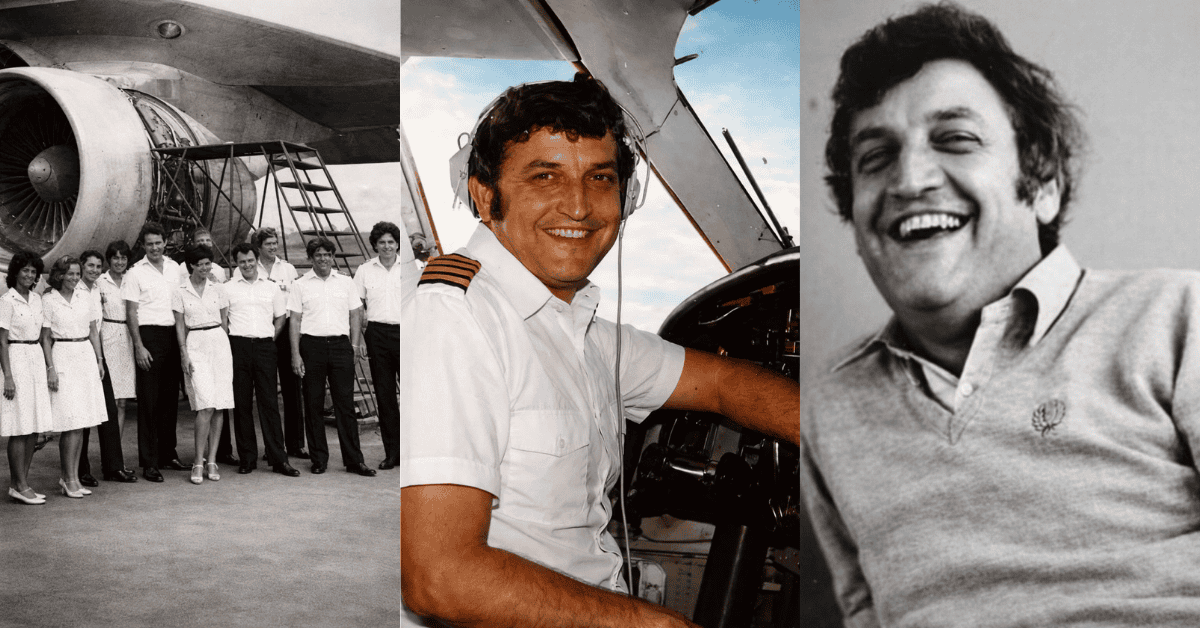
On June 24, 1982, British Airways Flight 9 was cruising peacefully at 37,000 feet en route from London to Auckland when the impossible happened.
Without warning, all four engines shut down.
The Boeing 747, one of the largest passenger aircraft ever built, had flown into an invisible cloud of volcanic ash from Indonesia’s Mount Galunggung. At the time, pilots were not trained for this scenario. Volcanic ash was poorly understood, and no onboard systems warned of its presence.
Captain Eric Moody suddenly found himself in command of a powerless aircraft carrying 263 passengers and crew.
The plane began to fall.
Inside the cockpit, ash clogged the engines, melted onto turbine blades, and sandblasted the windshield until it turned opaque. The crew could barely see outside. The aircraft descended rapidly, losing thousands of feet per minute.
Passengers sensed something was wrong.
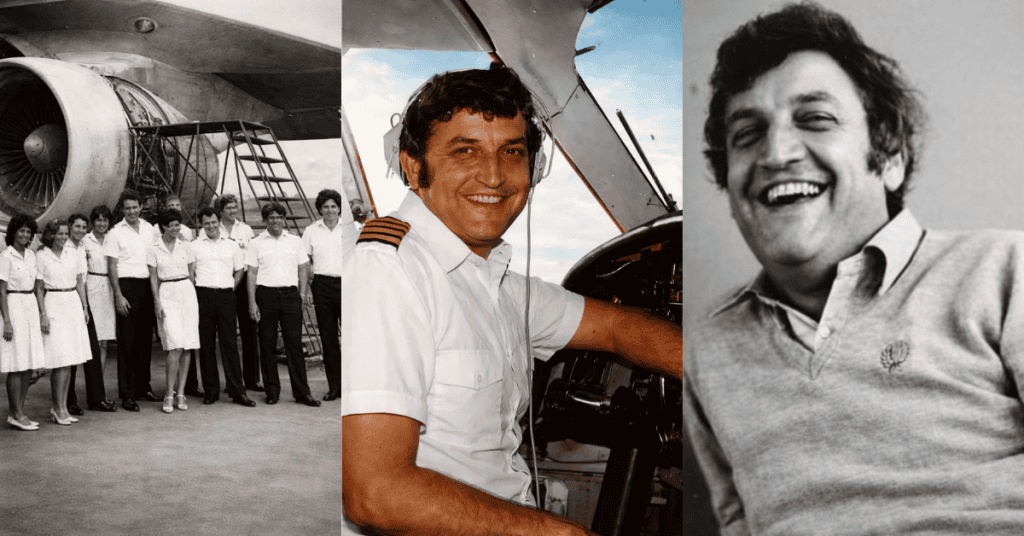
Captain Moody made an announcement that would later become legendary for its calm understatement:
“Ladies and gentlemen, this is your captain speaking. We have a small problem. All four engines have stopped.”
There was no panic in his voice.
For nearly fifteen minutes, the plane glided silently toward the ocean. The crew worked methodically, following procedures that had never been tested in real life. They attempted restart after restart while navigating blind, using only instruments.
At lower altitude, the ash concentration began to thin.
One engine restarted. Then another. Then another.
Against all expectations, three engines came back to life.
But the danger wasn’t over.
The windshield was still so damaged that visibility was nearly zero. Captain Moody had to land the massive aircraft essentially by instruments alone, guiding the plane toward Jakarta’s airport with only a narrow clear patch to see through.
The landing was rough but successful.
No lives were lost.
Investigations later revealed that the aircraft had restarted its engines on the fifteenth attempt. Any lower, and there would not have been enough altitude to recover. Any later, and the outcome would have been catastrophic.
The incident changed aviation forever.
After Flight 9, aviation authorities around the world revised procedures, improved volcanic ash detection, and redefined what pilots were trained to expect. The event became a case study in crisis management, leadership, and composure under pressure.
Eric Moody never described himself as a hero.
He credited teamwork, training, and calm decision-making. But those who study the incident agree on one thing: panic would have doomed the flight. Precision saved it.
Flight 9 proved that disasters don’t always announce themselves with fire or alarms. Sometimes they arrive silently, at cruising altitude, demanding clarity when fear would be easier.
Captain Moody’s legacy isn’t just survival.
It’s the reminder that leadership is often measured not by what you say but by how steady your voice remains when everything goes quiet.