In the early 1970s, Betty Davis didn’t just push boundaries. She walked straight through them.
Her music was loud, sexual, confrontational, and unapologetically Black and female. At a time when funk and soul were still expected to sound smooth and palatable, Betty Davis delivered something sharper music that demanded attention rather than permission.
The industry didn’t know what to do with her.
Born Betty Mabry, she came out of the same creative orbit as Jimi Hendrix, Sly Stone, and Miles Davis whom she briefly married and deeply influenced. She helped shape Miles’s turn toward electric funk, but when it came to her own work, the support vanished quickly.
Her lyrics were explicit.
Her stage presence was fearless.
Her image was confrontational.
Radio stations refused to play her records. Promoters pulled shows. Religious groups protested her performances. Industry executives labeled her “too much” too sexual, too aggressive, too uncontrollable.
What they really meant was uncontrollable by them.
By the mid-1970s, Betty Davis was effectively erased. No major tours. No radio rotation. No industry backing. While male artists built legacies on rebellion, Betty paid the price for embodying it as a woman.
So she walked away.
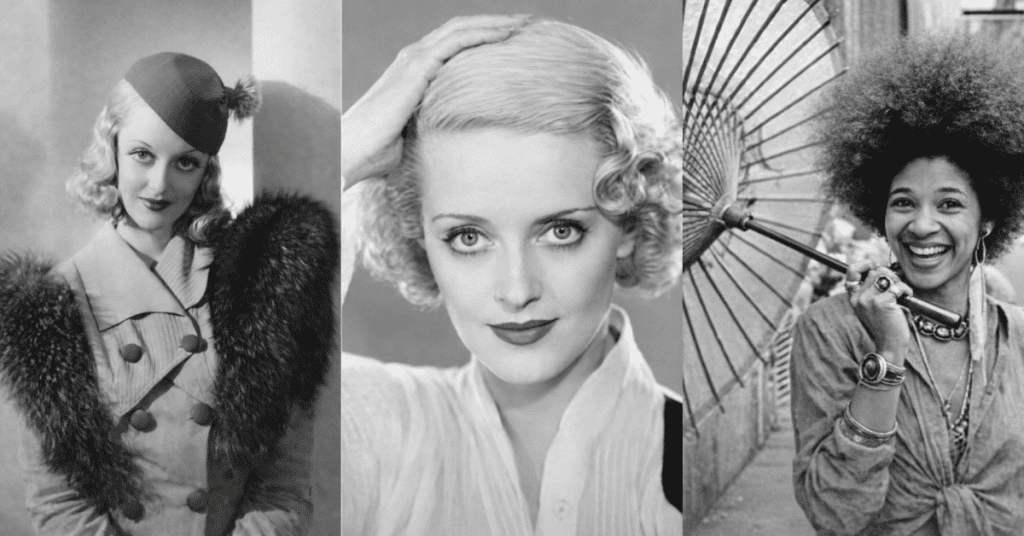
For nearly forty years, Betty Davis disappeared from public life. She didn’t reinvent herself for the industry. She didn’t soften her image. She didn’t apologize. She lived quietly, largely forgotten by the mainstream that had rejected her.
But her music didn’t disappear.
It traveled underground. It circulated among musicians, DJs, and artists who heard something revolutionary in it. Prince studied her. Erykah Badu cited her. Funk, rock, and hip-hop artists absorbed her influence even when her name wasn’t spoken aloud.
Eventually, it had to be.
In the 2000s and 2010s, a reassessment began. Critics and musicians acknowledged what had been ignored: Betty Davis had been years decades ahead of her time. Her work anticipated conversations about sexual autonomy, artistic freedom, and gendered double standards in music.
She hadn’t failed.
The system had failed her.
Betty Davis didn’t disappear because she lacked talent. She disappeared because she refused to dilute herself for comfort. And in doing so, she left behind a blueprint for artistic freedom that others would follow once the industry caught up.
She didn’t get the career she deserved.
But she got something rarer.
Legacy without compromise.
Today, Betty Davis is remembered not as a cautionary tale, but as a warning the industry ignored: when you silence artists for being “too much,” you don’t stop the future.
You just delay it.
And when it finally arrives, it tells the truth anyway.