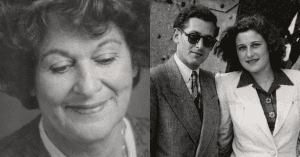
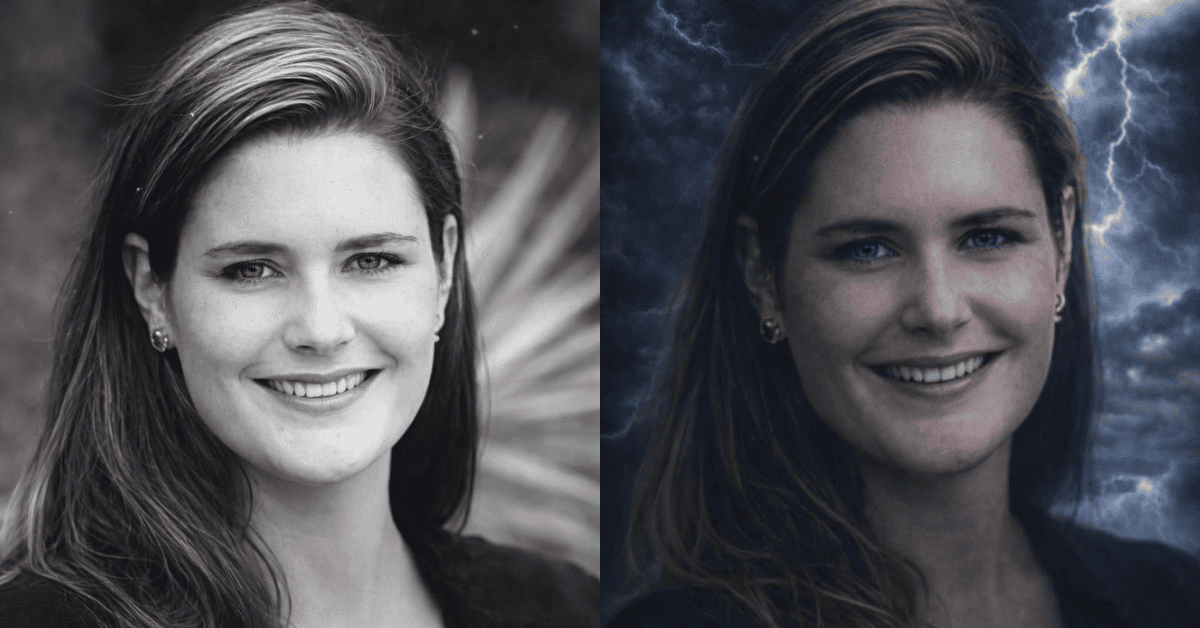
On a December night in 1994, Alison Botha’s life was nearly erased.
She was 27 years old, living in Port Elizabeth, South Africa, when she was abducted by two men after an evening out. What followed was an act of extreme violence that doctors later described as unsurvivable. Alison was stabbed repeatedly, her throat slashed so deeply that she was almost decapitated, and she was left in a remote area, assumed dead.
But Alison was still conscious.
Using instinct, presence of mind, and an extraordinary will to live, she did something almost unthinkable. She held her own head in place with her hands to keep her airway open. She focused on one thought: survive long enough to be found.
Bleeding heavily, she crawled toward nearby lights, refusing to lie down and lose consciousness. At one point, she reached a road and managed to flag down help. Paramedics later said that if she had given up even minutes earlier, she would not have lived.
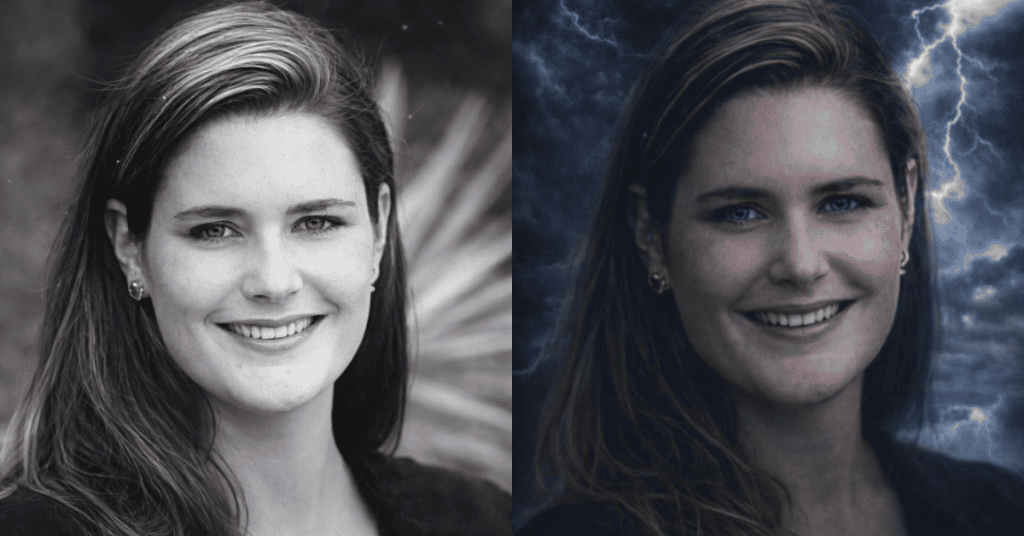
Alison underwent emergency surgery and spent months recovering. Against all medical expectations, she survived. Even more remarkably, she retained her ability to speak, think, and rebuild her life.
Her attackers were arrested, convicted, and sentenced to life in prison.
But Alison’s story did not end with survival.
Rather than disappearing into privacy, she chose to speak. Not about fear, but about resilience. Not about what was done to her, but about what she refused to let it take. She became an international motivational speaker, sharing her experience with audiences around the world.
Alison never framed herself as a victim. She spoke honestly about trauma, recovery, and the long road back to wholeness. She acknowledged fear without letting it define her. Her message wasn’t about pretending pain didn’t happen it was about proving that pain doesn’t get the final word.
Over the years, her story has inspired countless people facing their own forms of darkness. Survivors. Patients. Anyone who has been told they are broken beyond repair.
What makes Alison Botha’s story so powerful isn’t just what she endured. It’s the clarity she carried through it. Even in the moments closest to death, she chose life not abstractly, but actively, deliberately.
Her survival wasn’t luck alone. It was determination, presence, and an unyielding refusal to surrender.
Alison Botha reminds the world that resilience is not loud or dramatic. Sometimes it’s quiet, bloody, and determined. Sometimes it’s crawling forward when stopping would be easier.
And sometimes, survival itself becomes an act of defiance.