
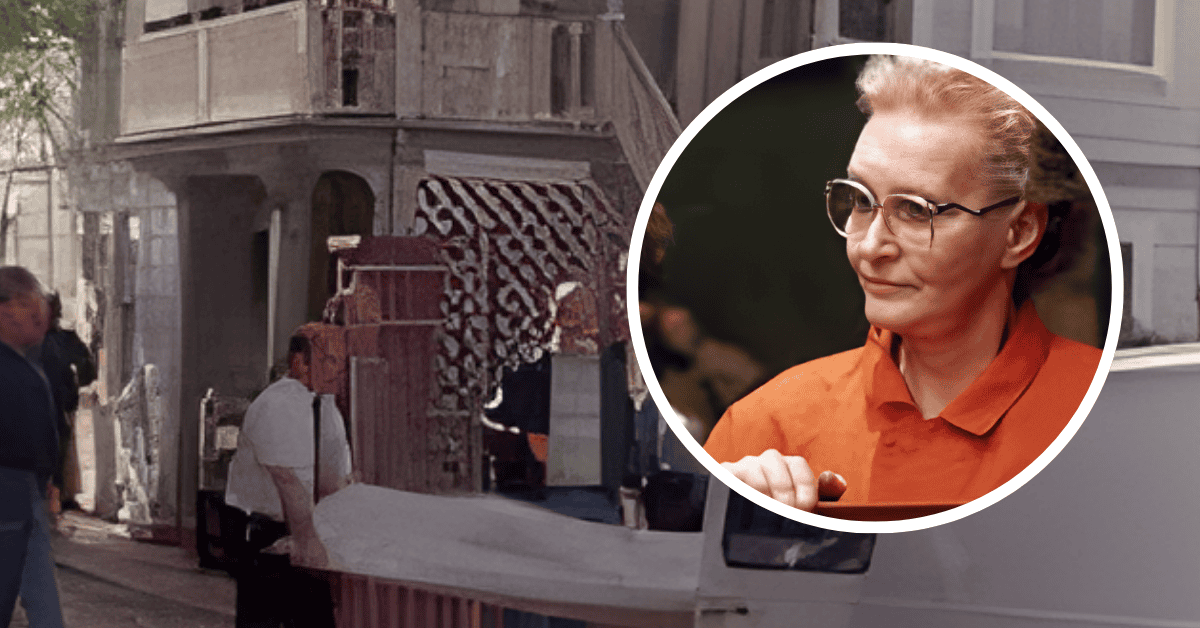
She looked like the kind of woman people instinctively trusted. Soft-spoken. Slight. Grandmotherly. The sort of person you might smile at in passing, someone who felt safe simply because she seemed harmless. Her name was Dorothea Puente, and in the early 1980s she ran a small boarding house on a quiet street in Sacramento that appeared to offer something rare to people on the margins: stability.
Puente rented rooms to elderly, disabled, and mentally ill tenants, many of whom survived on Social Security or disability checks. These were people with limited options, often estranged from family or overlooked by institutions meant to protect them. To neighbors, Puente seemed attentive and kind. She attended church. She worked in her garden. She spoke gently about caring for those society had forgotten. From the outside, her house looked like a refuge.
Inside, something far darker was unfolding.
Over time, tenants began to vanish. There were no goodbyes, no forwarded addresses, no explanations. People who had lived there simply stopped being seen. Yet their government benefit checks continued to be deposited and cashed. The disappearances did not immediately trigger alarms, largely because the victims themselves were invisible to most systems. When someone has few visitors, few advocates, and little social power, absence is easier to ignore.
By 1988, enough missing-person reports had quietly pointed back to the same address that police were forced to look closer. When investigators searched Puente’s property, they noticed freshly disturbed soil in the backyard, flower beds that looked newer than the rest of the garden. Digging beneath them, they uncovered human remains. One grave led to another. By the end of the excavation, seven bodies were found buried on the property. Others were later connected to Puente through evidence and witness testimony.
Authorities believe that at least nine people were murdered. Puente was ultimately convicted of three counts of murder, not because the others mattered less, but because evidence, time, and circumstance limited what could be proven in court. Each victim had a name, a history, and a life that deserved more than to end in silence beneath a stranger’s garden.
This case was never only about violence. It was about neglect. Puente did not evade justice for years because she was a criminal mastermind. She succeeded because her victims were people the system rarely followed closely, people whose disappearances did not generate urgency. Their lives were treated as disposable long before they were taken.
In 1993, Dorothea Puente was sentenced to life in prison without the possibility of parole. She died behind bars in 2011. There were no flowers, no public mourning, no redemption narrative. What remains instead is the uncomfortable truth her story exposes.
Evil does not always announce itself loudly. Sometimes it wears the face of kindness, hides behind routine, and relies on the assumption that no one is paying attention. And sometimes, the greatest tragedy is not just the crime itself, but how long it takes for anyone to notice the people who are gone.