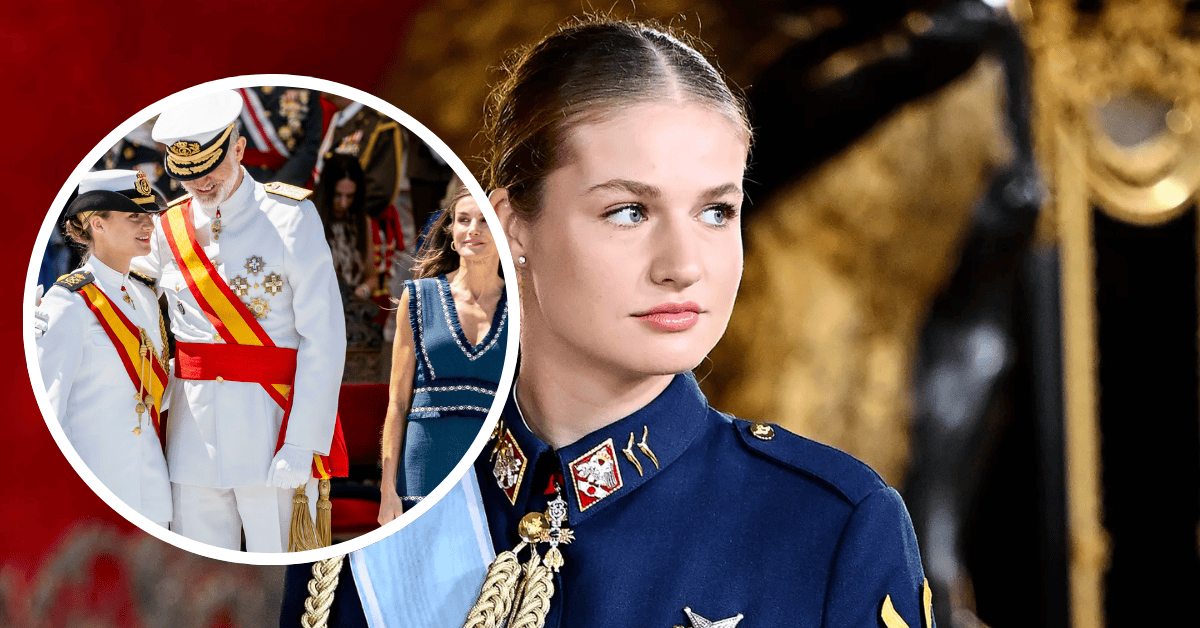
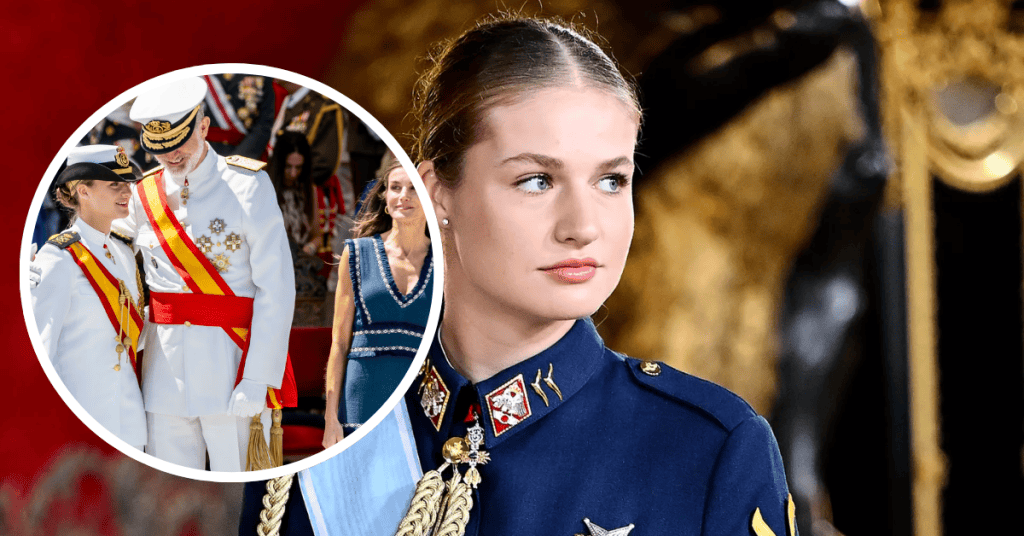
Spain is standing on the edge of a rare and meaningful moment in its long history, and at the center of it is a 19-year-old woman growing into a role that has not existed in the country for more than a century. Princess Leonor, the eldest daughter of King Felipe VI and Queen Letizia, is next in line to become Spain’s first queen regnant in over 150 years – the first woman to reign in her own right since Queen Isabella II in the 19th century.
For many Spaniards, that fact alone carries enormous symbolic weight. But what makes Leonor’s story resonate more deeply is not just her place in history – it’s the way she is being prepared for it.
Rather than being sheltered by tradition, Leonor has been immersed in responsibility from an early age. Her training follows a demanding and carefully structured path designed to prepare her not only as a future head of state, but as a servant of the nation. This includes mandatory military service across Spain’s Army, Navy, and Air Force, a requirement that places her shoulder to shoulder with other cadets, learning discipline, leadership, and resilience firsthand.
For months at a time, Leonor lives within the rhythms of military life – early mornings, strict routines, physical training, and hands-on instruction. It is not ceremonial or symbolic. It is meant to test her limits, strengthen her character, and give her a practical understanding of the institutions she may one day lead. In choosing this path, the royal household has sent a clear message: the crown is not simply inherited – it is earned through preparation and service.
This approach reflects a broader shift in how Spain views its monarchy in the modern era. The emphasis is no longer on distance or grandeur, but on duty, accountability, and readiness. Leonor is being shaped not as a figure above the people, but as one deeply connected to the country’s institutions, challenges, and values.
To many citizens, Leonor represents continuity – the preservation of Spain’s constitutional monarchy – but she also symbolizes progress. She is young, educated, and coming of age in a Spain that expects transparency and relevance from its public figures. Her future reign would mark not only the return of a reigning queen, but the arrival of a generation shaped by modern expectations rather than inherited assumptions.
There is also something deeply human in watching Leonor grow into this role. Behind the titles and uniforms is a teenager navigating pressure, scrutiny, and responsibility on a scale few could imagine. Every step of her preparation is closely watched, not just by supporters of the monarchy, but by a nation curious about what kind of leader she will become.
As Spain looks ahead, Princess Leonor stands as a bridge between past and future – carrying centuries of history while stepping forward into a changing world. Her journey is still unfolding, but one thing is already clear: this is not just the story of a crown waiting to be passed down. It is the story of a young woman being shaped by service, duty, and the weight of a nation’s hopes.