
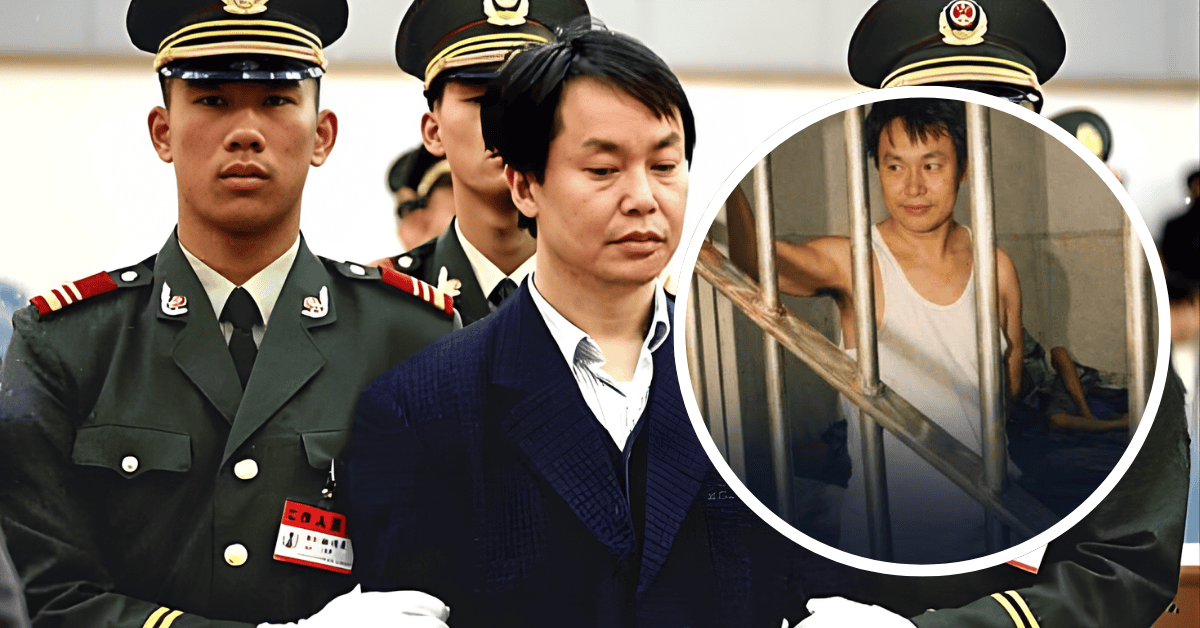
He didn’t just kidnap a billionaire’s son. He negotiated the ransom himself, collected a staggering nine-figure payout, and then – in a move so audacious it still feels unreal – picked up the phone and called the same billionaire to ask for investment advice.
This was Cheung Tze-keung, known across Hong Kong as “Big Spender,” one of the most brazen criminals the city has ever known. In 1996, Cheung abducted Victor Li Tzar-kuoi, the eldest son of business titan Li Ka-shing, a man widely regarded as one of Asia’s most powerful and careful financiers. The ransom Cheung demanded was almost unthinkable: HK$1 billion, roughly US$130 million at the time.
What stunned Hong Kong wasn’t just the size of the demand – it was how Cheung carried it out. There were no middlemen. No masks. No attempt to hide behind layers of distance or fear. Cheung dealt directly with Li Ka-shing, calmly and confidently, as though negotiating a business transaction rather than a kidnapping. The money was paid. Victor Li was released unharmed. And the city was left shaken by the realization that someone could strike so close to the top – and walk away.
But the most unsettling chapter came later.
Months after the ransom was delivered, Cheung reportedly called Li Ka-shing again. This time, there was no threat in his voice. No demand. Instead, he asked a question that defied logic: how to invest the ransom money safely.
It sounds like fiction, or dark satire, but it has been widely reported. And it reframes the entire story. This wasn’t just a violent criminal seeking wealth. This was a man so convinced of his own intelligence and invincibility that he believed he could step, casually, into the world of legitimacy – even borrowing wisdom from the very person he had terrorized.
In that moment, Cheung revealed something deeply human and deeply flawed: the belief that money alone could erase consequences. That sheer boldness could substitute for belonging. That power taken by force could somehow transform into power accepted by society.
It never works that way.
Cheung’s reputation grew, but so did the attention on him. In 1998, he was arrested in mainland China. He was tried for multiple crimes, including kidnapping, murder, and firearms offenses. The trial was swift. The outcome final. Cheung Tze-keung was executed later that year.
The fortune he extorted did not protect him. It didn’t buy him safety, respect, or a future. At best, it bought him time – and not much of it.
There is no romantic ending here. No cautionary tale softened by irony. Just a hard truth: power taken through fear is unstable, and wealth gained without legitimacy offers no shelter when consequences arrive.
Cheung once believed he could steal proximity to greatness. In the end, he learned what so many before him have learned too late – that even the boldest crimes cannot purchase a life without reckoning.