What would you do if the person you loved most vanished into the vastness of the ocean, and the only way forward was through grief, hunger, and the silent guidance of the stars?
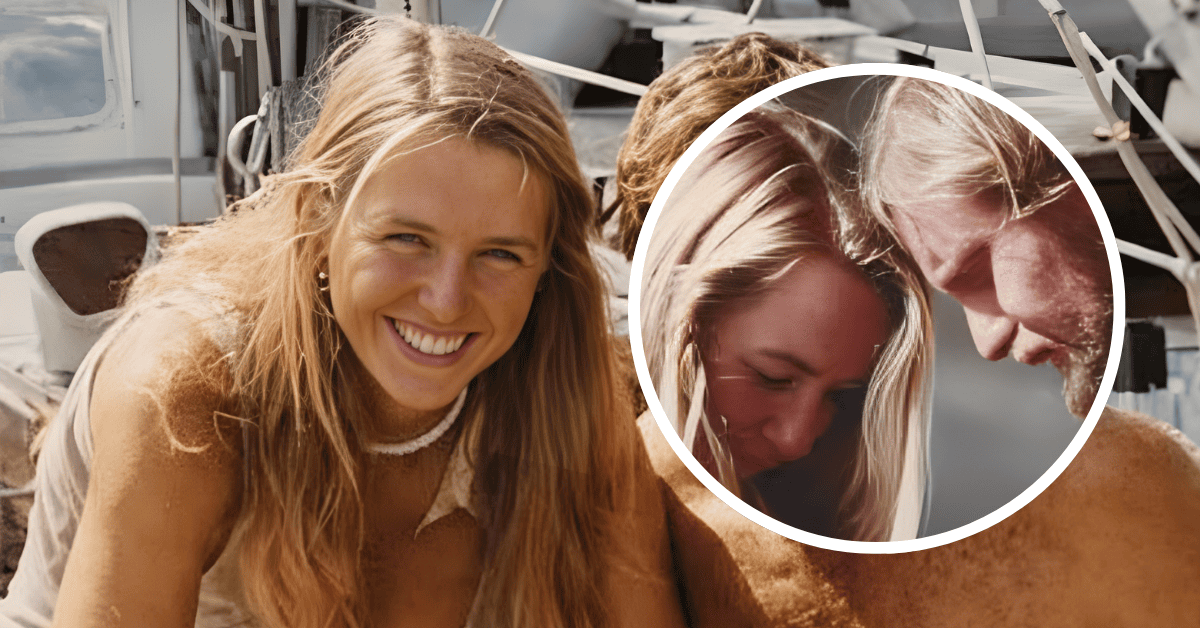
In late September 1983, Tami Oldham Ashcraft set sail across the Pacific with her fiancé, Richard Sharp. They were delivering their yacht, Hazaña, from Tahiti to San Diego—a journey meant to be a shared adventure. But on October 12, everything changed. Hurricane Raymond, a Category 4 storm, tore through the waters with relentless fury. The wind howled like a living thing, and the waves pounded the boat from every side. In the chaos, Tami was knocked unconscious. When she awoke, the world she knew had disappeared—Richard was gone, swept into the ocean, leaving her alone on the broken deck.
Hazaña was barely recognizable as a yacht. Electronics were destroyed, the radio was dead, and supplies of food and water were frighteningly limited. Tami was thousands of miles from any help. The ocean stretched endlessly in every direction, a living expanse of uncertainty and danger. Yet surrender was not an option.
What followed was not a dramatic, cinematic escape, but a slow, grueling test of human endurance. Tami worked tirelessly to repair what she could on the damaged yacht. She rationed the remaining supplies with meticulous care, understanding that one misstep could cost her life. She treated her own injuries, navigated storms that threatened to capsize her fragile vessel, and endured nights of loneliness and fear that most people could scarcely imagine.
Without GPS, without radio, without the comforts of modern technology, Tami relied on the skills she had learned long before—celestial navigation. Using only a sextant, a watch, and paper charts, she measured the sun and stars to chart a course across the vast Pacific. Every calculation, every adjustment of the sails, was a small battle against the enormity of the sea. Her journey became a careful negotiation with nature, each day a struggle to survive.
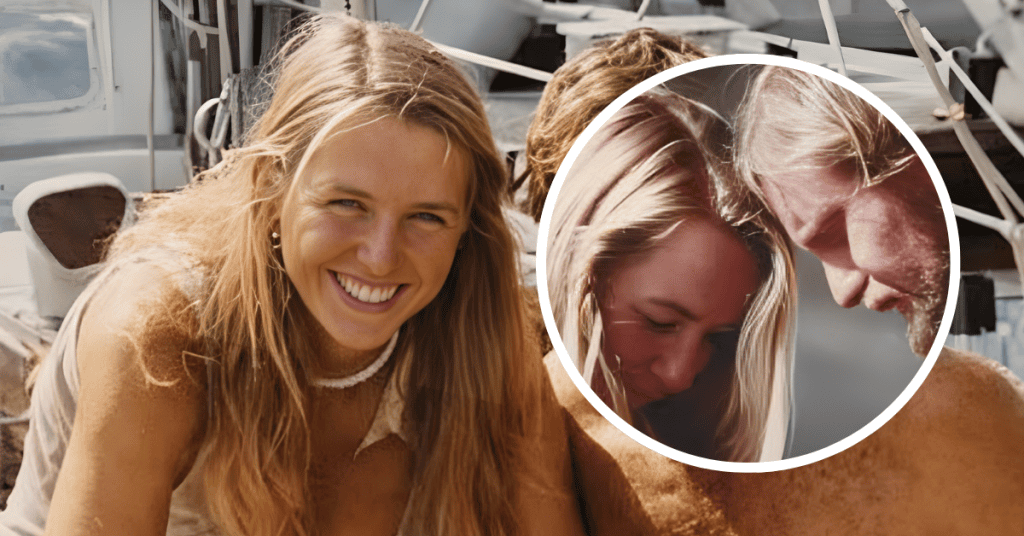
For forty-one days, she pressed forward, covering roughly fifteen hundred miles. She faced storms, injuries, and the gnawing fear that she might never see land again. Yet, she persisted. This was not luck. It was preparation meeting the most unimaginable of losses. It was knowledge, discipline, and sheer will fused together to keep a fragile human being alive.
When Tami finally sailed into Hilo, Hawaii, she arrived not as a triumphant adventurer, but as a living testament to the strength of the human spirit. She had survived what few could imagine, not by conquering nature, but by refusing to surrender to it.
Her story reminds us that survival is not always about heroics or luck. Sometimes, it is about holding on, one careful decision at a time, in the face of grief, fear, and the infinite expanse of the unknown. It is about finding the courage to keep moving when everything familiar has been swept away.