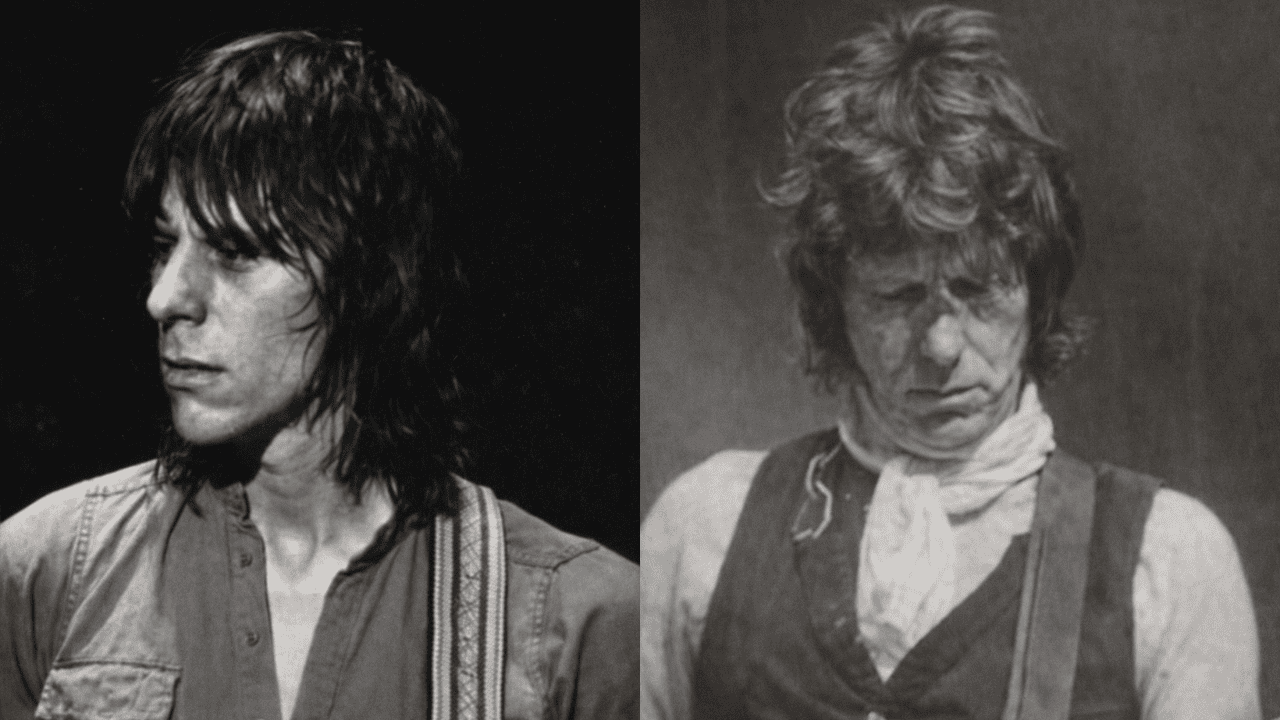
In 1972, guitarist Jeff Beck arrived in Los Angeles at a turning point in his career. Already known for his work with The Yardbirds and the Jeff Beck Group, he was searching for a new direction something that moved beyond traditional rock and into more expressive, experimental territory. That search led him to Stevie Wonder, who was in the middle of redefining his own sound with the album Talking Book.
The collaboration brought together two very different musical minds. Wonder’s rhythmic, soulful style blended with Beck’s sharp, expressive guitar work, creating a dynamic energy in the studio. During those sessions, Wonder shared an idea with Beck a song he believed would become something special. That song was “Superstition.”
For Beck, it felt like the beginning of something promising.
But the situation quickly changed.
Motown executives recognized the potential of “Superstition” and decided to keep it for Wonder’s own release. The promise that had been made to Beck quietly disappeared. For an artist searching for direction, it was more than just a missed opportunity it felt like a betrayal.
Still, Wonder tried to make things right.
Instead of “Superstition,” he offered Beck a different composition. It was not driven by groove or commercial appeal. It came from a far more personal place. Written during the painful breakdown of Wonder’s marriage to Syreeta Wright, the song carried a quiet, emotional weight. Its title was “Cause We’ve Ended As Lovers.”
Beck accepted the piece, perhaps not realizing how deeply it would shape his future.
In 1974, he entered the studio to record Blow by Blow, an album produced by George Martin that would move Beck firmly into instrumental territory. It was a bold decision at a time when vocals dominated popular music. Beck wanted the guitar itself to speak—to express feeling without the need for words.
On “Cause We’ve Ended As Lovers,” he approached the instrument differently. He set aside the pick and played with his fingers, allowing for a softer, more intimate touch. Each note seemed to breathe, to rise and fall with a sense of vulnerability that mirrored the song’s origin.
When the album was released in 1975, it became a landmark. Blow by Blow defied expectations, proving that instrumental music could reach a wide audience. At its emotional center was this quiet, deeply personal track.
Beck dedicated the performance to fellow guitarist Roy Buchanan, another musician known for drawing powerful emotion from restraint rather than excess.
Over the years, Beck never treated the song as something fixed. In live performances, it changed constantly. No two versions were the same. He followed instinct instead of repetition, shaping each rendition according to the moment. For him, music was not meant to be repeated exactly it was meant to be felt.
What began as a broken promise became something far more lasting. In Beck’s hands, “Cause We’ve Ended As Lovers” transformed into a piece that spoke without words, carrying emotion across decades quiet, fluid, and endlessly alive.