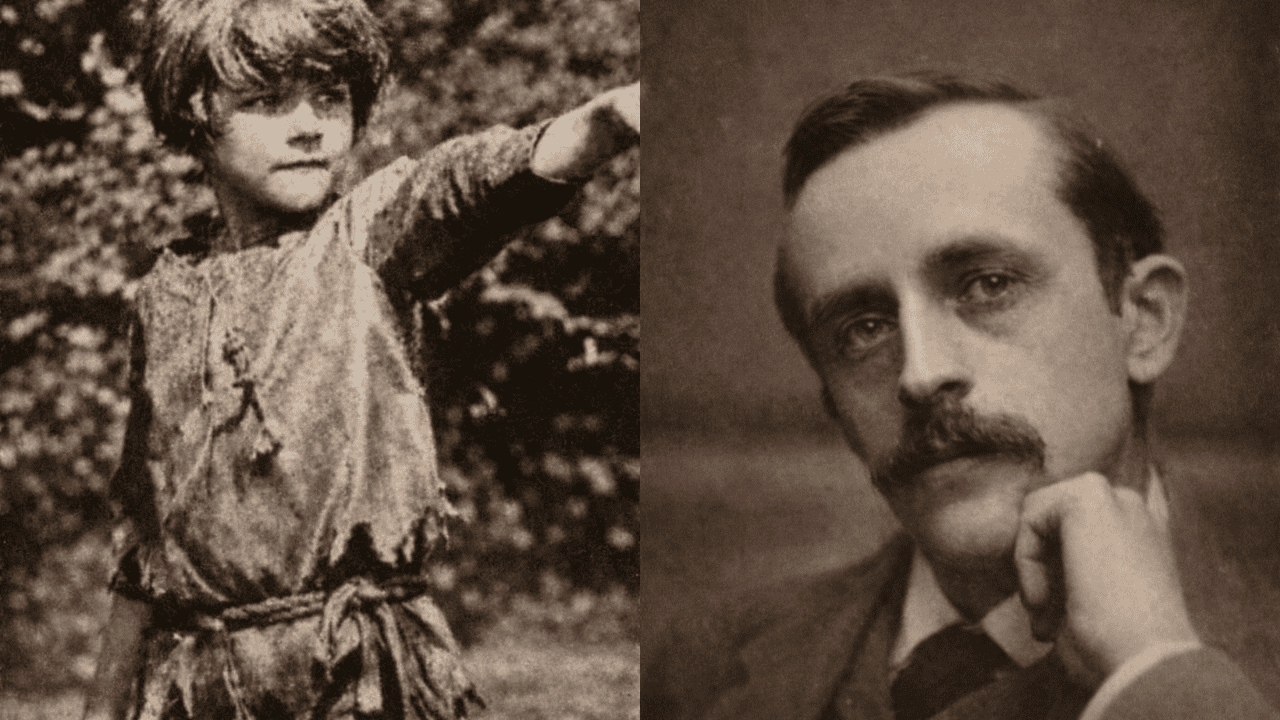
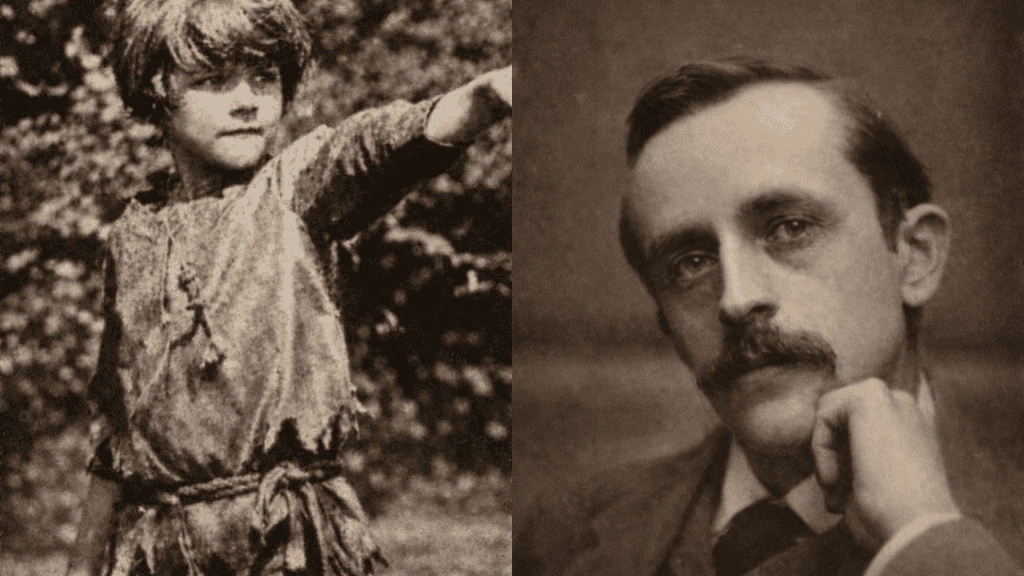
In the early twentieth century, Scottish author J.M. Barrie created one of the most enduring characters in children’s literature: Peter Pan, the boy who never grows up. The story of Peter Pan, filled with pirates, lost boys, and the magical world of Neverland, quickly captured the imagination of readers and theater audiences. Yet behind the whimsical adventure lies a remarkable act of generosity that continues to shape lives to this day.
James Matthew Barrie first introduced Peter Pan in the early 1900s, and the character soon became a cultural phenomenon. The play Peter Pan, or The Boy Who Wouldn’t Grow Up premiered in London in 1904 and was met with enormous success. Barrie later adapted the story into the 1911 novel Peter and Wendy, bringing the tale to an even wider audience. The story’s themes of childhood, imagination, and the bittersweet nature of growing up resonated deeply with readers.
But Barrie’s legacy would extend far beyond literature.
In 1929, Barrie made an extraordinary decision. He donated the rights to Peter Pan to Great Ormond Street Hospital, a children’s hospital in London. Rather than keeping the profits from one of the world’s most beloved stories, Barrie chose to ensure that the royalties from performances, books, and adaptations would help support medical care for children.
The impact of that decision was enormous. For decades, productions of Peter Pan whether on stage, in print, or on screen generated income that directly benefited the hospital. The royalties provided vital funding for treatments, facilities, and services for young patients. Barrie never publicly sought recognition for the gift, and many people only learned about it years later.
After Barrie’s death in 1937, the hospital retained the rights, and the story continued to support their work. As Peter Pan grew into a global cultural icon, adaptations multiplied across theater, film, television, and publishing. Each new version carried with it a connection to the children’s hospital that Barrie had chosen to support.
One of the most famous adaptations came from Walt Disney Studios with the animated film Peter Pan, released in 1953. Over time, Disney and other companies created additional adaptations and productions related to the story. The hospital maintained its special legal rights to the work, which helped preserve the connection Barrie had intended.
In 1988, the British government passed a unique law ensuring that Great Ormond Street Hospital would continue receiving royalties from Peter Pan performances in the United Kingdom even after the original copyright period expired. It was a rare legal recognition of a literary work’s charitable legacy.
Today, the hospital still benefits from Barrie’s decision made nearly a century ago. While the story of Peter Pan celebrates eternal youth and magical adventures, Barrie’s real-life choice reflects something even more meaningful. By giving away the rights to his most famous creation, he transformed a beloved piece of fiction into a lasting source of care and hope for children in need.
In the end, the boy who never grew up became part of a legacy that continues to help generations grow stronger.