Sometimes a creative legacy isn’t revived by nostalgia, money, or fan demand. Sometimes, it’s revived by disappointment—the kind that cuts deep enough to demand a response.
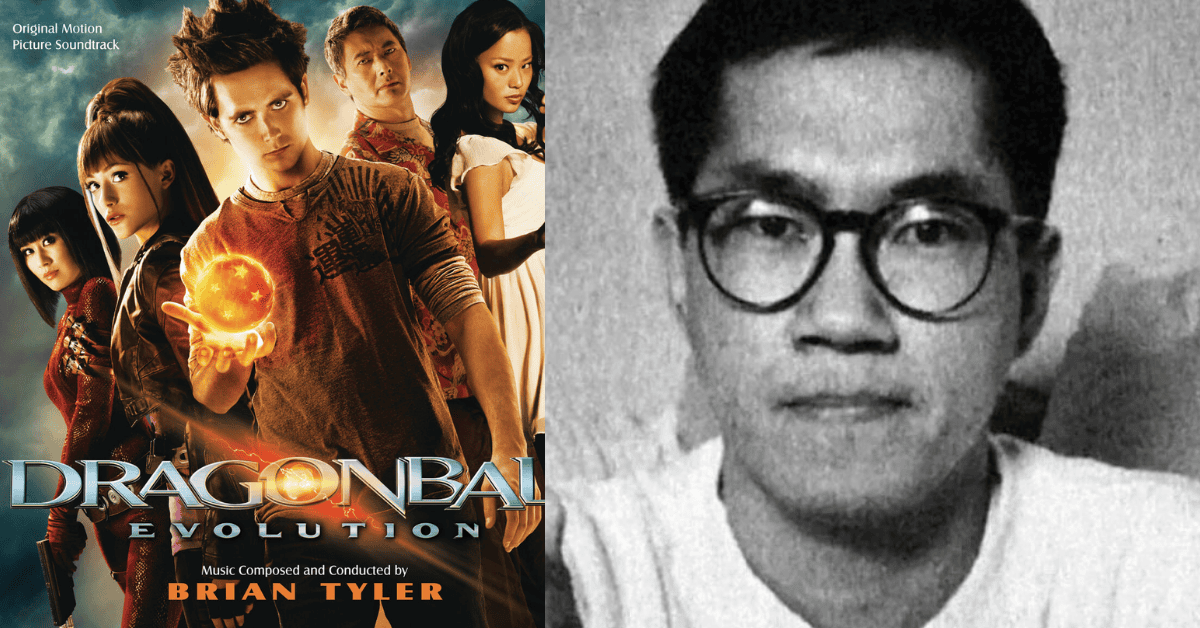
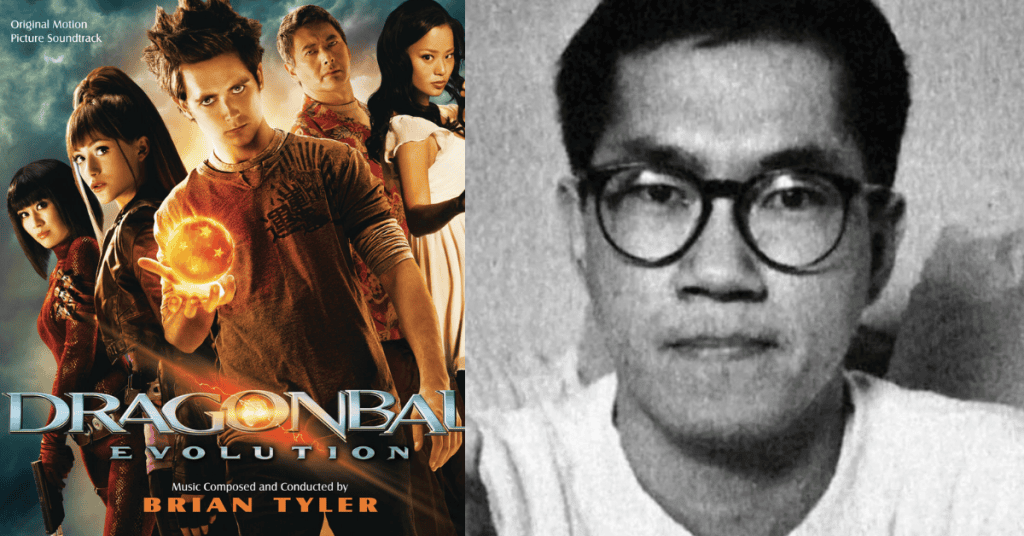
In 2009, Dragon Ball: Evolution arrived in theaters with big expectations and even bigger ambitions. The live-action film was supposed to introduce Dragon Ball to a global audience unfamiliar with anime, transforming a beloved series into something Hollywood-friendly. Instead, it landed with a thud. Longtime fans were confused and frustrated. Characters felt hollow, the tone felt wrong, and the spirit of the original work seemed lost. Even viewers who had never touched the manga or anime could sense that something fundamental was missing.
For Akira Toriyama, the creator of Dragon Ball, the disappointment went far beyond bad reviews.
By that point, Toriyama had already closed the book on the franchise in his own mind. Dragon Ball and Dragon Ball Z were complete stories. He had stepped away from the grind of weekly storytelling, content to let his creation live on without him. The world he built felt finished—its arcs resolved, its characters settled.
Then Evolution happened.
What stung wasn’t just that the film failed. It was that it misunderstood Dragon Ball at its core. Reports later revealed that Toriyama felt the adaptation stripped away the humor, heart, and personality that defined his work. The characters weren’t just altered—they were misrepresented. It wasn’t an evolution of Dragon Ball; it was a distortion of it.
Toriyama could have done what many creators do. He could have publicly criticized the film. He could have distanced himself from it entirely. Or he could have stayed silent and moved on.
Instead, he chose something far more powerful.
He returned.
That frustration—quiet, personal, and unresolved—pushed Toriyama back into the world he thought he had left behind. The result was Dragon Ball Z: Battle of Gods, released in 2013. Unlike Evolution, this film felt unmistakably Dragon Ball. It brought back playful humor, character-driven stakes, and a sense of wonder that balanced comedy with cosmic scale. The story respected the past while opening the door to something new.
Battle of Gods didn’t pretend the franchise had never stumbled. It didn’t erase the damage done. But it did something more important: it re-centered the soul of Dragon Ball. Fans recognized it immediately. This felt like Toriyama again—his voice, his rhythm, his understanding of what made these characters matter.
And what followed proved how much that return meant.
The success of Battle of Gods reignited global interest in the franchise, directly leading to Dragon Ball Super and an entirely new era of storytelling. New characters, new transformations, and new generations of fans emerged—not because the series was dragged back by demand, but because its creator found a reason to care again.
Sometimes, creative passion doesn’t disappear. It doesn’t burn out or fade away. It waits—quietly—for the moment when something feels so wrong that the only solution is to make it right.
For Akira Toriyama, that moment came not from praise, but from disappointment. And in answering it, he reminded the world why Dragon Ball mattered in the first place.