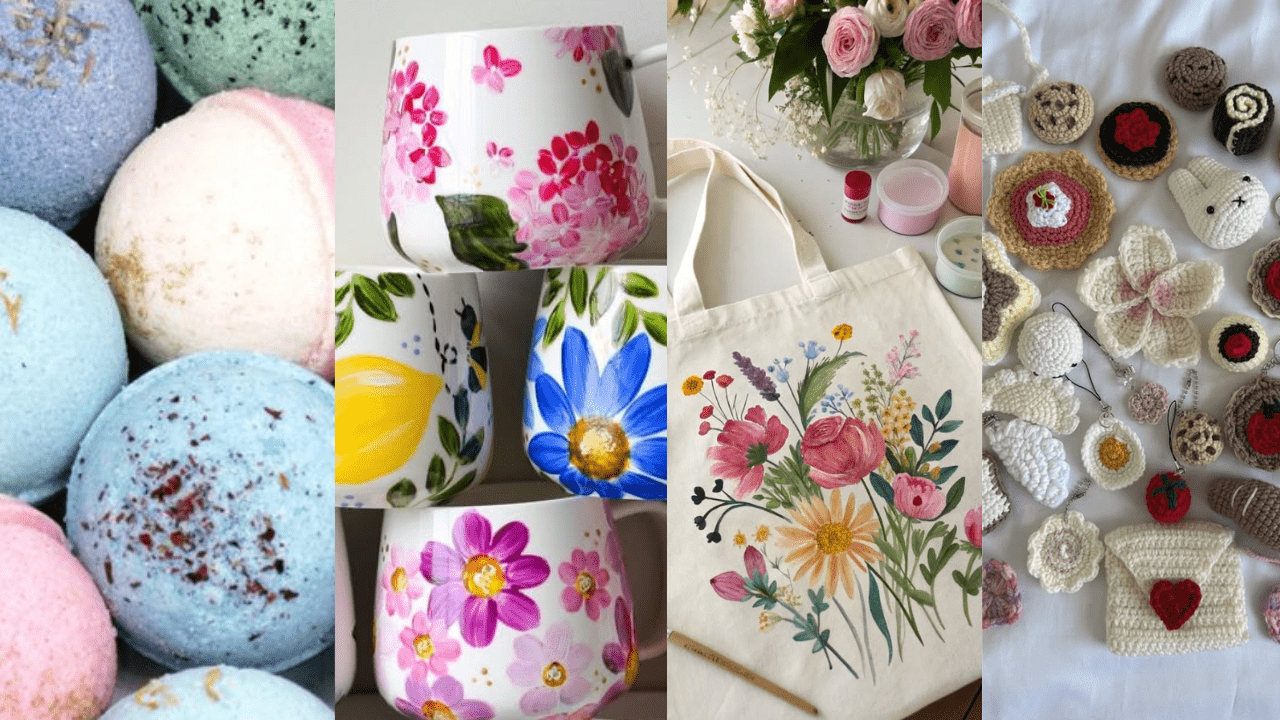
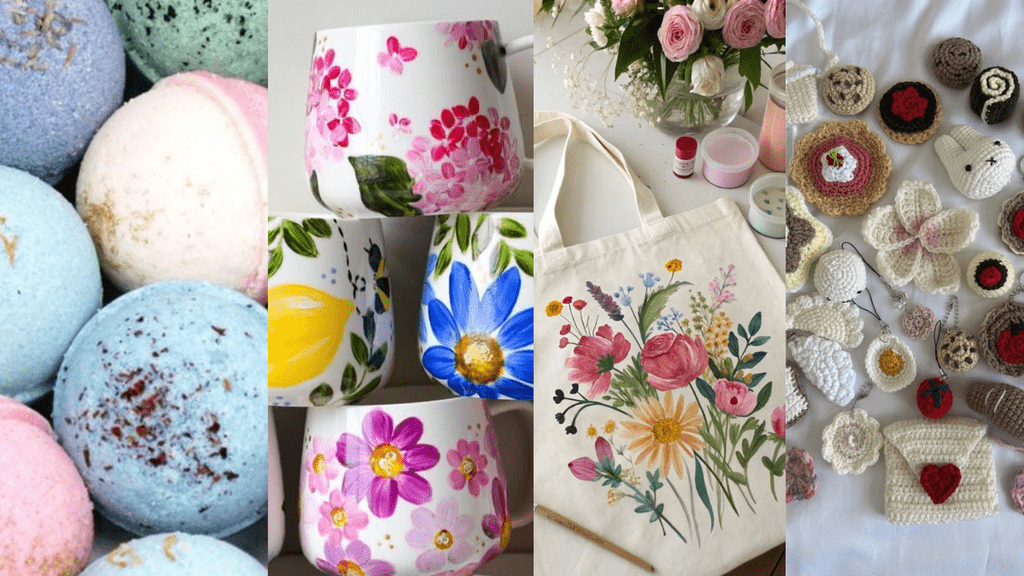
If you’re looking for a creative way to make extra income, learning how to make and sell DIY products can be a great place to start. Handmade products are appealing because buyers often want something more personal than mass-produced items. From home décor and personalized gifts to accessories and self-care products, there are plenty of things you can create with relatively simple supplies.
The best DIY things to make and sell are usually products that are affordable to produce, easy to customize, and useful or giftable. You don’t necessarily need a large workspace or expensive equipment to get started. Many beginner-friendly crafts can be made in small batches and sold through social media, local markets, craft fairs, or online marketplaces. Starting with a few products can also help you discover which items customers like most before investing heavily in materials.
1. Personalized Candles
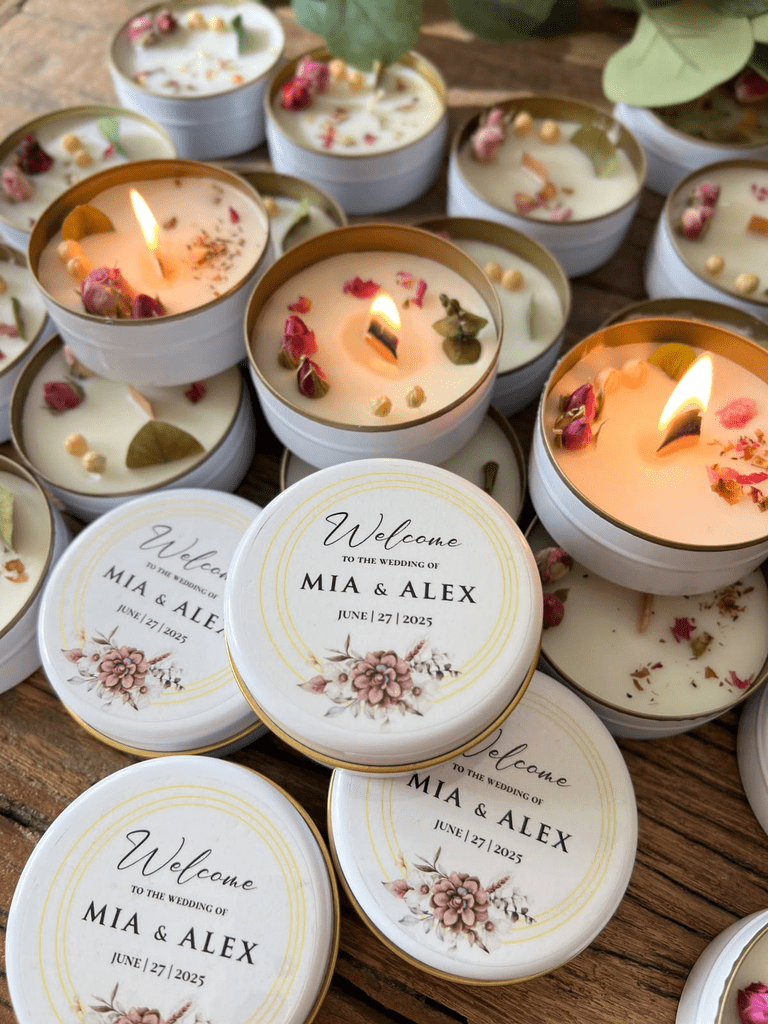
Candles are one of the most versatile handmade products to make and sell. You can create simple scented candles, decorative candles, seasonal designs, or personalized versions for birthdays, weddings, and other special occasions.
To get started, you’ll generally need candle wax, wicks, containers, fragrance oils, and suitable tools. Glass jars, tins, and small decorative containers can all work well. You can make your products more distinctive by experimenting with fragrances, labels, colors, and packaging.
Personalization can make candles especially appealing as gifts. Consider creating collections such as vanilla and coffee, lavender and eucalyptus, autumn spices, or fresh citrus. You could also offer custom labels featuring names, dates, short messages, or event details.
Beautiful packaging is particularly important because candles are often purchased as gifts. A simple box, ribbon, thank-you card, and attractive label can make an inexpensive handmade candle feel much more special.
2. Handmade Jewelry
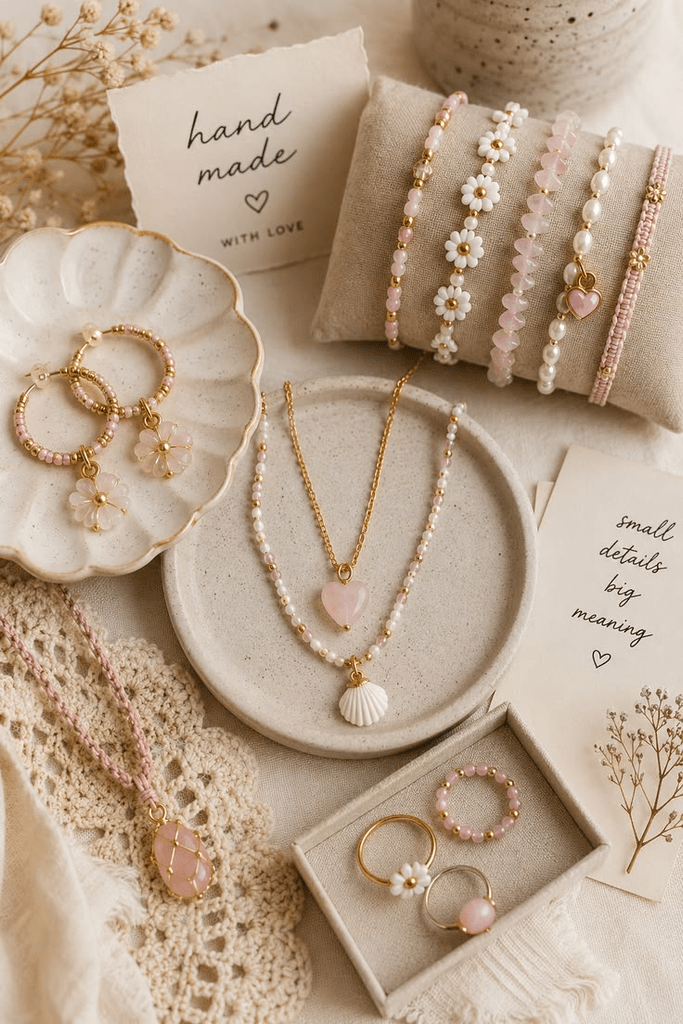
Handmade jewelry can be an excellent small-business product because it is relatively easy to store, package, and ship. You can create earrings, bracelets, necklaces, rings, or charm accessories depending on your skills and preferred style.
Beginner-friendly materials include beads, charms, polymer clay, wire, chains, and jewelry findings. You can start with a small collection rather than trying to offer every possible style.
Personalization is another strong selling point. Birthstone-inspired designs, initial necklaces, friendship bracelets, zodiac-themed pieces, and customized charms can make your products feel more meaningful.
Think about creating collections rather than individual random pieces. For example, you might have a minimalist collection, colorful summer collection, bridal collection, or personalized gift collection.
Good product photography also matters. Photograph jewelry in natural light and include close-up images so customers can see the details.
3. Customized Tote Bags
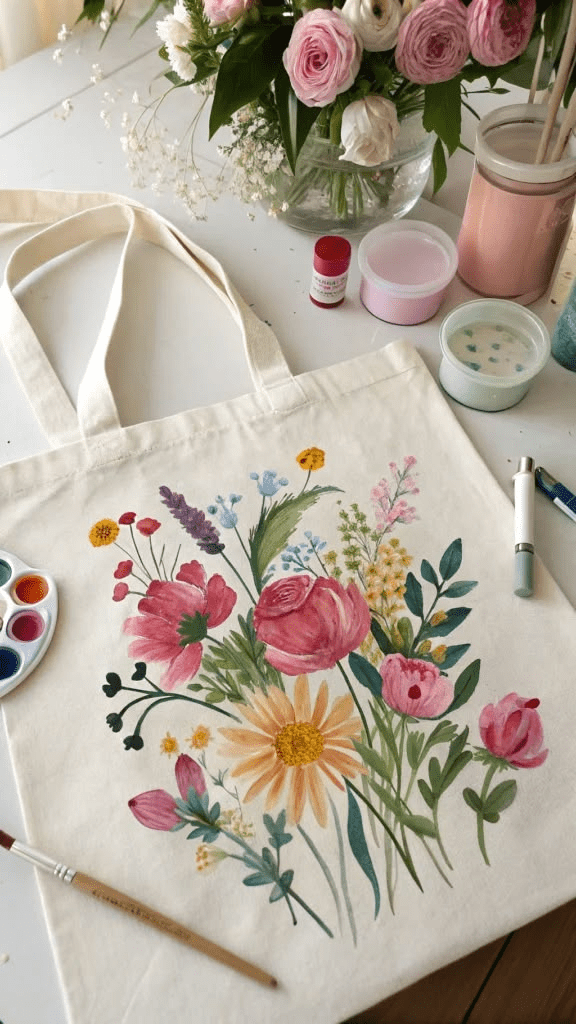
Plain canvas tote bags can be transformed into personalized products using fabric paint, embroidery, heat-transfer designs, or other suitable decorating techniques.
You can create designs around hobbies, pets, books, travel, gardening, food, inspirational phrases, or seasonal themes. Personalized names and initials can also make simple tote bags more appealing.
Tote bags are useful because customers can use them for shopping, school, work, travel, or everyday errands. This gives you plenty of potential audiences to target.
Consider offering several sizes and styles, along with different designs. You can also create matching sets, such as a tote bag combined with a small cosmetic pouch.
If you sell online, photograph the bag both by itself and being used in an everyday setting. Lifestyle photographs can help shoppers imagine how they would use the product.
4. Handmade Keychains
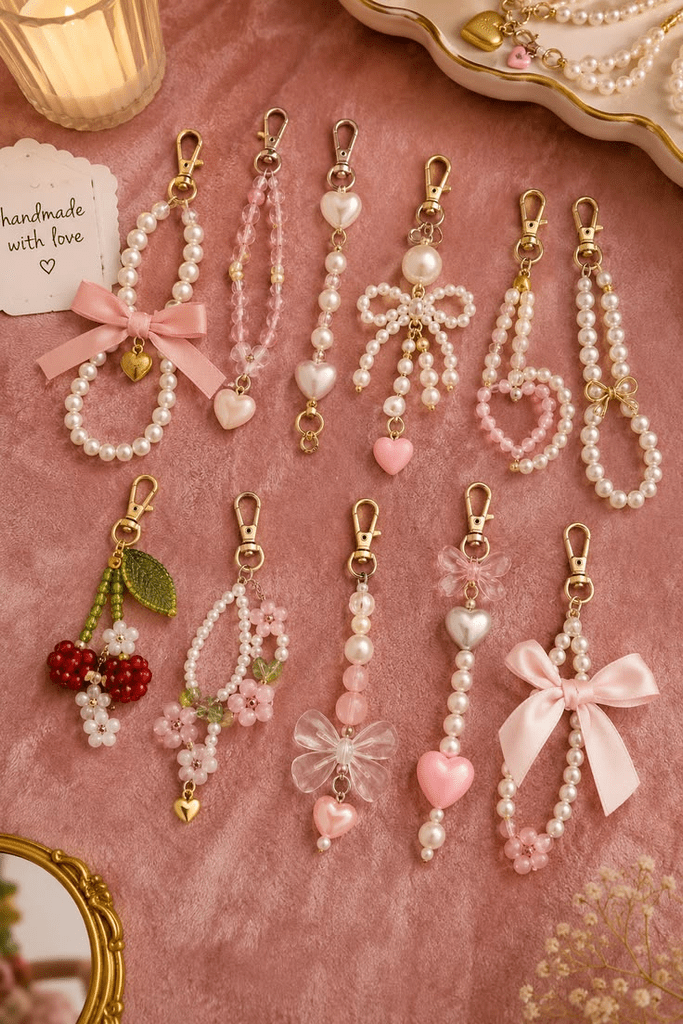
Keychains are small, inexpensive products that can be customized in countless ways. They can be made from materials such as acrylic blanks, beads, polymer clay, wood, leather, resin, or fabric.
Personalized keychains featuring names, initials, dates, favorite colors, or small charms can work particularly well as gifts.
You could create collections for teachers, students, pet lovers, travelers, couples, bridesmaids, or coworkers. Seasonal designs can also give your shop fresh products throughout the year.
Because keychains are small, they are convenient to package and display at craft fairs. They can also be offered as inexpensive add-on purchases when customers are already buying another product.
Consider creating bundles of three or more matching keychains for friends, family members, or wedding parties.
5. Decorative Home Signs
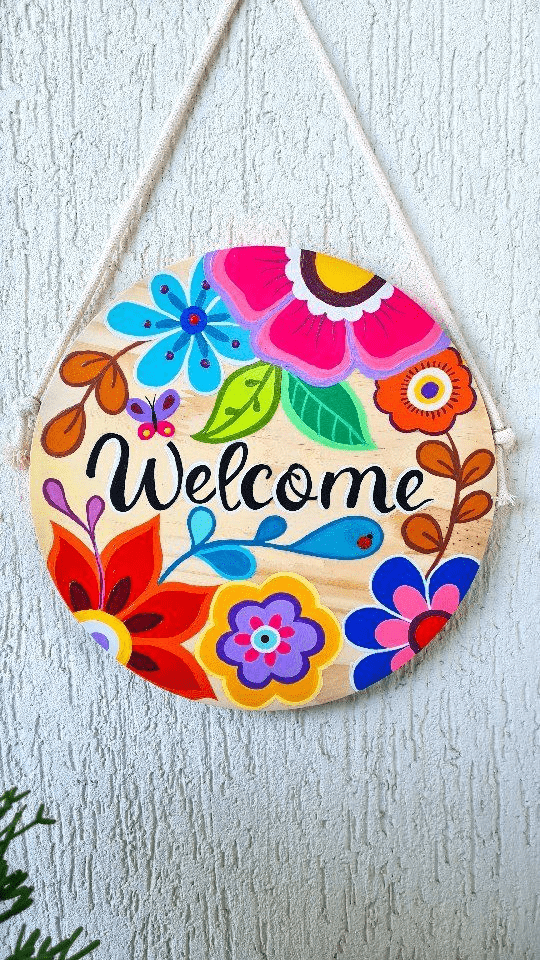
Wooden or canvas signs can become attractive handmade home décor products. You can create signs for kitchens, bedrooms, entryways, offices, nurseries, patios, or seasonal decorating.
Popular concepts include family names, welcome signs, kitchen sayings, house numbers, personalized wedding signs, and seasonal décor.
You don’t need to make every design completely from scratch. Developing a consistent style can make production easier and help your products look like part of the same collection.
Personalization is particularly valuable with home signs. Customers may be willing to pay more for products featuring their family name, established date, favorite saying, or home address.
Make sure the materials you use are appropriate for the intended location. Indoor and outdoor signs may require different finishes and materials.
6. Crochet and Knitted Items
If you already know how to crochet or knit, handmade textile products can provide many opportunities for selling. You can make items such as scarves, beanies, baby accessories, coasters, scrunchies, bags, blankets, and small decorative pieces.
Smaller products can be particularly useful when starting because they require less material and production time than large blankets or complicated garments.
You can create seasonal collections as well. Chunky scarves and hats can work well for colder months, while lightweight bags and accessories may be more suitable for warmer seasons.
Unique colors and patterns can help your products stand out. You can also offer custom color combinations so customers can order something that matches their preferences.
When pricing handmade crochet or knitted products, remember to account for both materials and your working time. Handmade products should not be priced solely according to material cost.
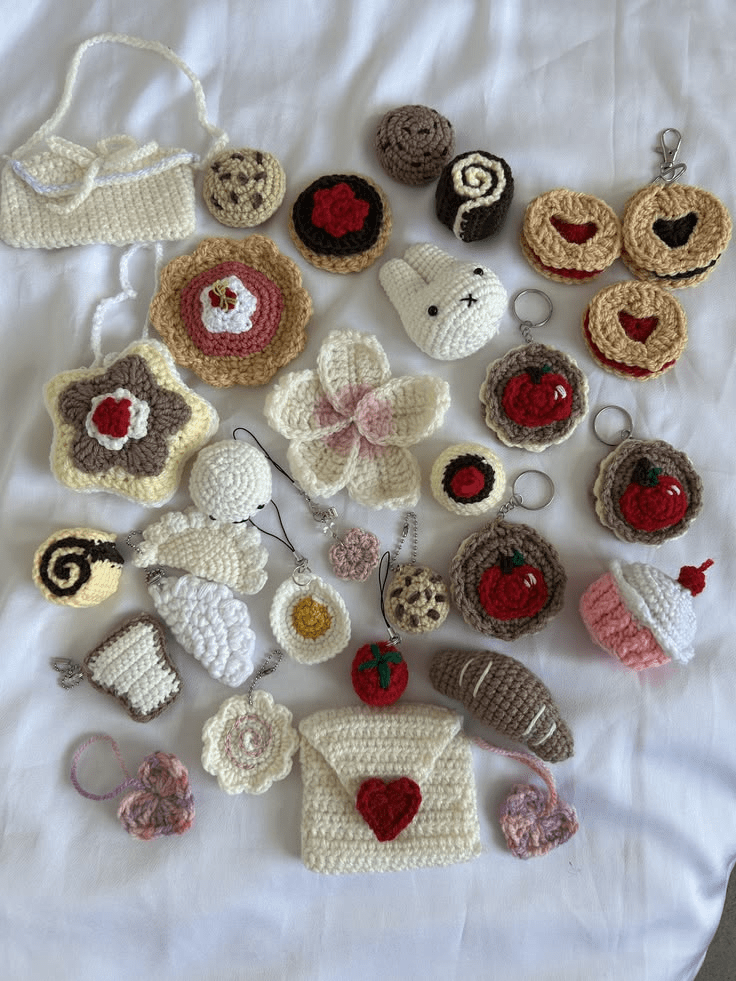
7. Personalized Mugs
Plain mugs can become customized gifts through suitable printing, vinyl decoration, sublimation, painting, or other crafting methods.
You can create mugs for birthdays, weddings, teachers, coworkers, couples, parents, pet owners, and special occasions. Personalized names and photographs can make the products especially gift-friendly.
Instead of creating hundreds of unrelated designs, consider focusing on specific customer groups. For example, a teacher collection could include several different designs for educators, while a bridal collection could include bridesmaid and wedding-party options.
You can also sell mugs as gift sets. Pairing a personalized mug with tea, coffee, chocolate, or another suitable item can turn a basic product into a complete gift.
Always make sure the decorating method and materials you use are appropriate for the mug and intended use, especially when customers will drink from it.
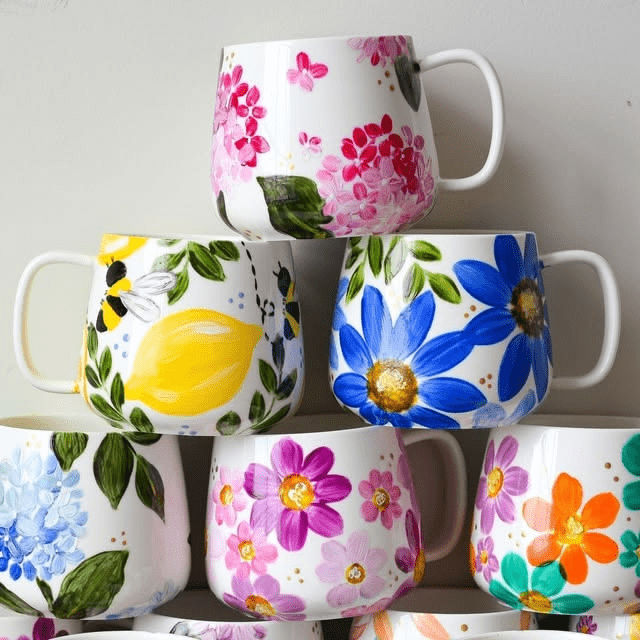
8. Handmade Bath Bombs
Bath bombs can make attractive self-care gifts and can be produced in a wide range of colors, scents, shapes, and themes.
You can create individual bath bombs or package several together in gift boxes. Seasonal themes such as floral spring collections, relaxing lavender sets, or festive gift boxes can give customers more reasons to purchase.
Presentation is especially important with bath products. Clear packaging, paper boxes, labels, ribbons, and coordinated color schemes can make your products look polished.
When creating bath and body products, pay close attention to ingredient safety, proper labeling, storage, and any regulations that apply where you live and sell.
Starting with a few simple formulas and testing them carefully is better than launching a large product range immediately.
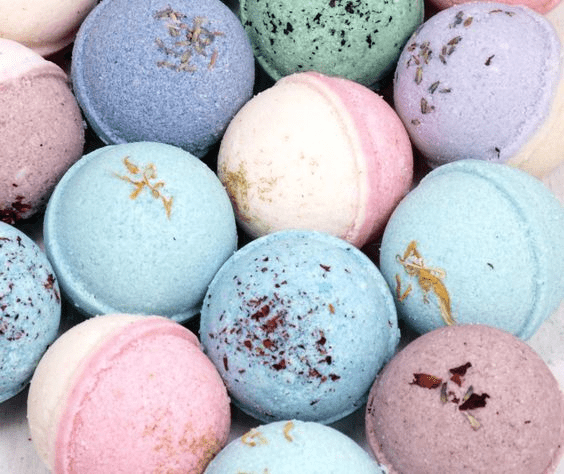
9. Fabric Scrunchies
Scrunchies are another simple DIY product that can be made in many different colors and patterns. They are small, lightweight, and easy to package.
You can use cotton, satin, velvet, floral fabrics, seasonal prints, or leftover fabric from other sewing projects.
Create collections based on different styles, such as neutral everyday colors, bright summer prints, elegant satin designs, or children’s patterns.
Selling scrunchies in sets can increase the perceived value of your products. For example, you could offer three coordinating colors instead of selling every scrunchie individually.
They also work well as small gift items and can be displayed easily at markets, pop-up shops, and craft events.
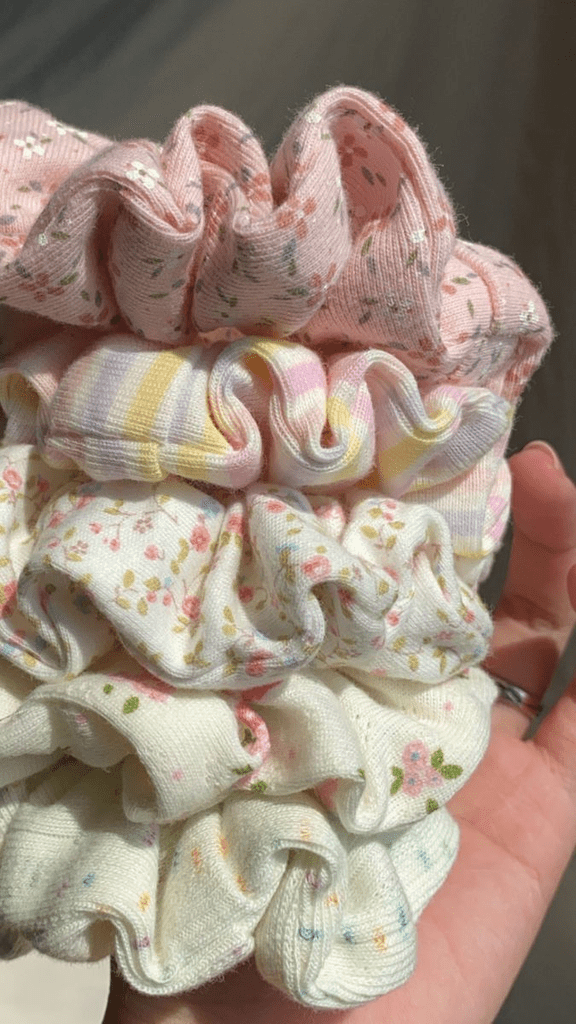
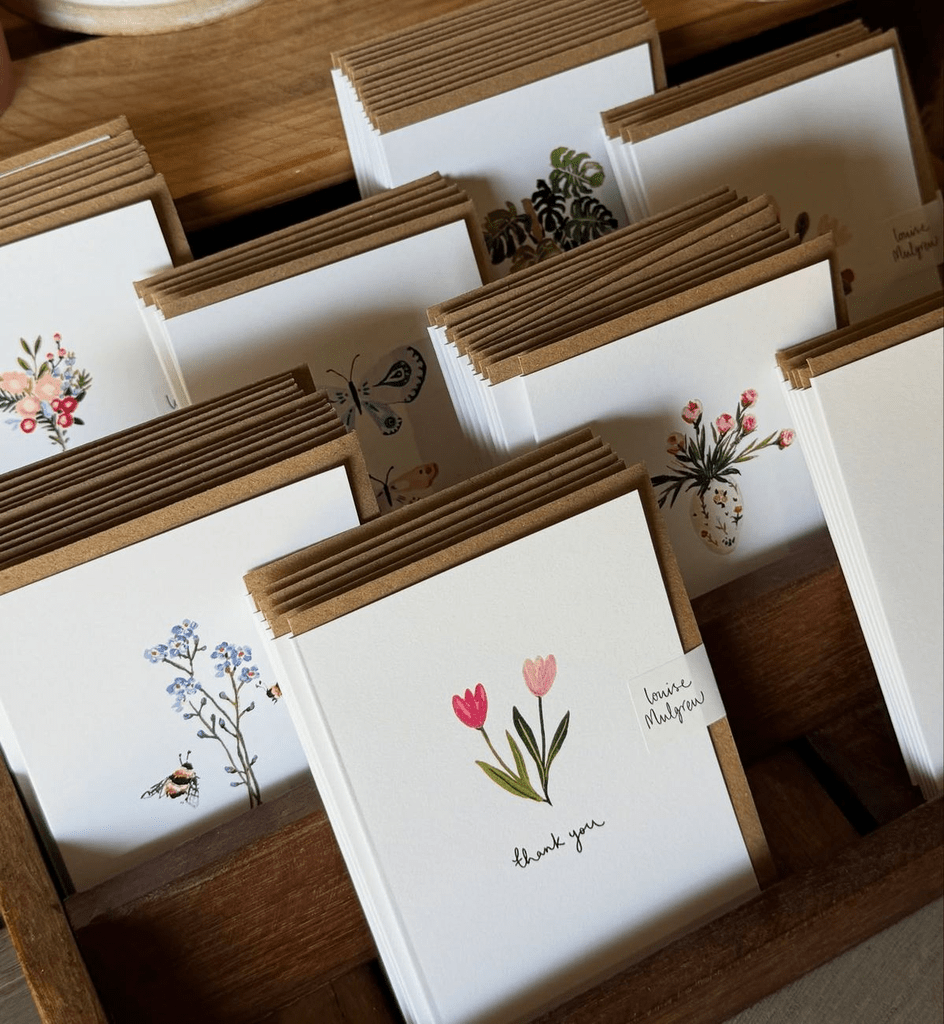
10. Handmade Greeting Cards
If you enjoy drawing, painting, lettering, stamping, or paper crafts, handmade greeting cards can become a creative product to sell.
You can make cards for birthdays, weddings, anniversaries, thank-you messages, graduations, holidays, and everyday occasions.
One advantage of greeting cards is that you can create themed collections. A single design style can be adapted into multiple occasions, helping you save time during production.
Personalized cards can also be offered at a higher price. Customers may want a specific name, message, date, or color combination.
Good packaging is important because cards need to remain clean and undamaged. Consider selling them individually or in small coordinated sets.
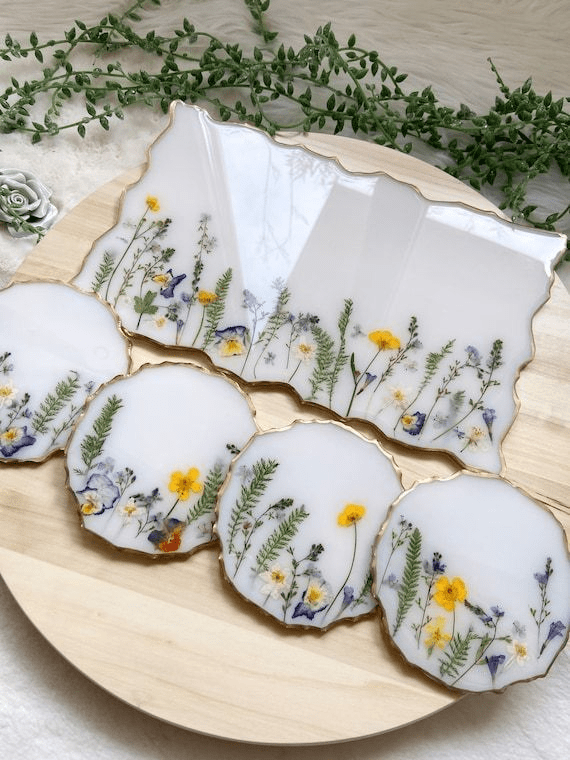
11. Resin Coasters and Trays
Resin crafts can be turned into attractive home décor and gift products. Coasters, trays, jewelry dishes, keychains, and decorative pieces can all be created in different styles.
You can experiment with colors, patterns, dried flowers, metallic effects, or other decorative elements that are compatible with your chosen resin system.
Coaster sets can make particularly attractive gifts because they are practical as well as decorative. You can sell sets of four or six and offer matching trays or accessories.
However, resin requires careful handling. Always follow the manufacturer’s safety instructions, use appropriate protective equipment, and work in a properly ventilated environment.
Because handmade resin pieces can vary slightly, embrace that uniqueness while maintaining consistent quality.
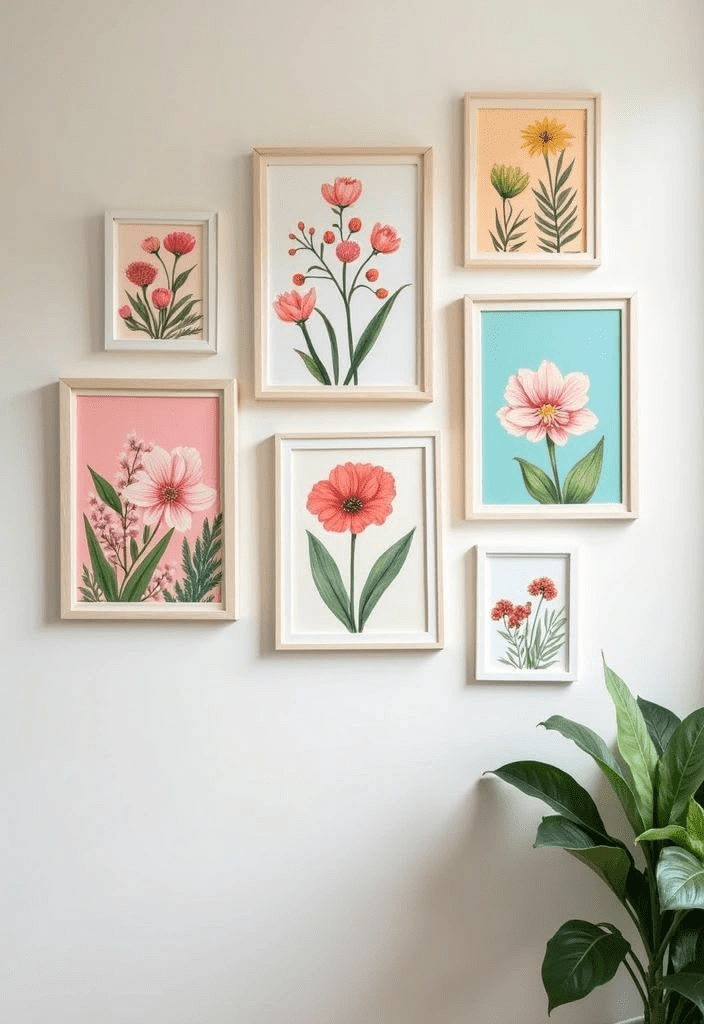
12. Printable Wall Art
If you prefer digital creativity over physical crafting, printable wall art can be an excellent DIY product.
You can create artwork featuring minimalist designs, inspirational phrases, botanical illustrations, children’s artwork, calendars, planners, or decorative typography.
One benefit is that digital products don’t require physical inventory or shipping. After creating the design, it can potentially be sold repeatedly as a digital download.
Make sure you have the appropriate rights to every font, image, illustration, and graphic element used in your products. Creating your own artwork or using properly licensed resources helps avoid copyright problems.
Offer files in commonly useful sizes and provide clear instructions explaining how customers can download and print them.
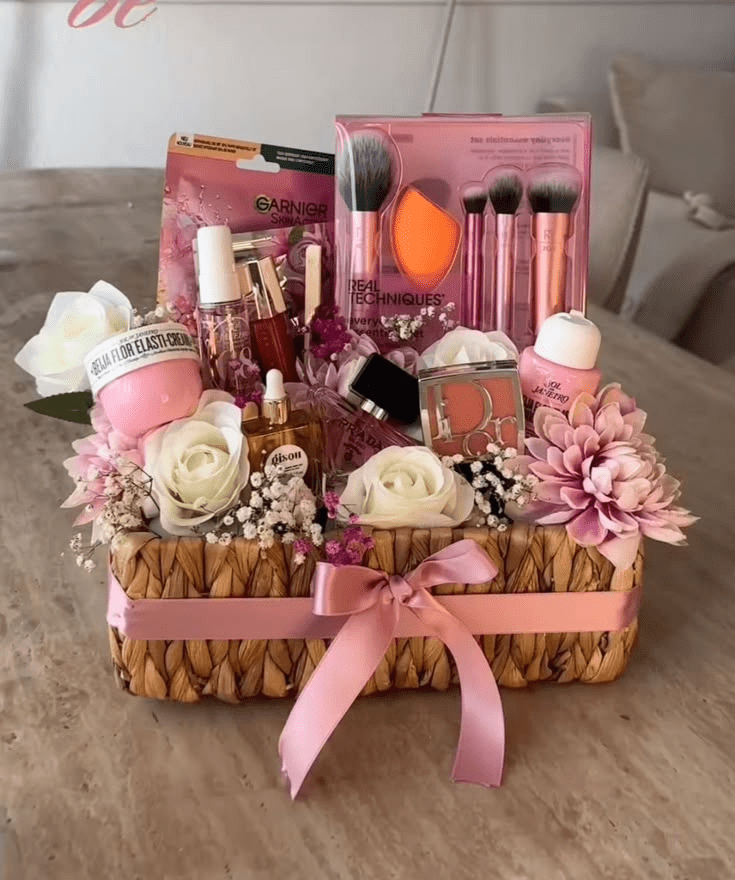
13. Personalized Gift Baskets
Gift baskets allow you to combine several simple products into one higher-value package.
You could create themes such as self-care, movie night, coffee lover, birthday, new home, teacher appreciation, gardening, or relaxation.
You don’t necessarily need to manufacture every item inside the basket. You can combine your own handmade products with carefully selected complementary items, depending on applicable selling and labeling requirements.
Presentation is a major part of the product. Use coordinated colors, attractive wrapping, filler materials, ribbons, and a personalized card.
Gift baskets can also be customized according to a customer’s budget, favorite colors, hobbies, or occasion.
14. Handmade Pet Accessories
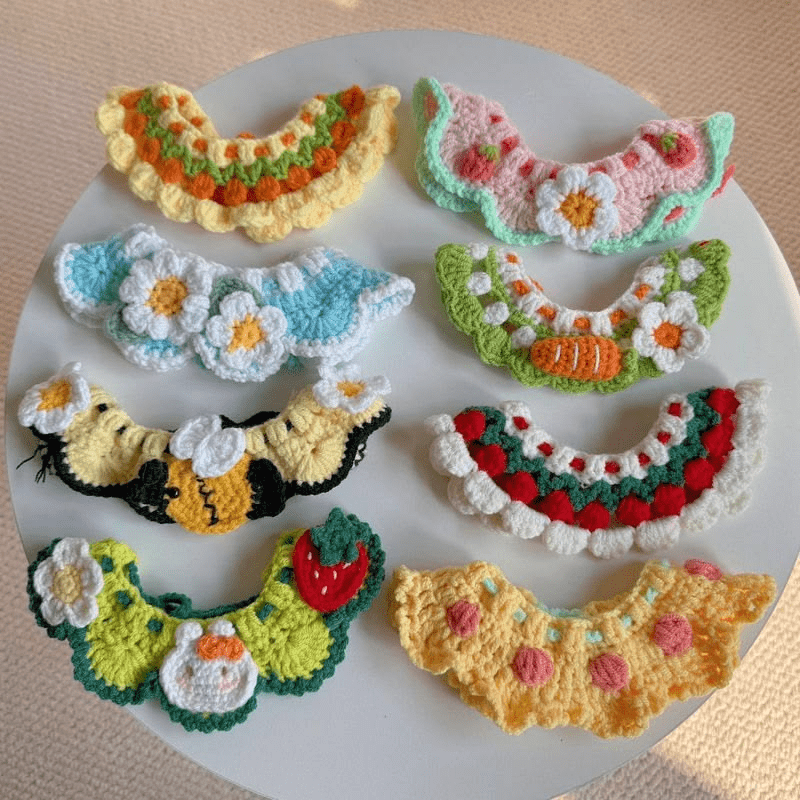
Pet owners often enjoy buying personalized products for their dogs and cats. Handmade options can include bandanas, bow ties, pet blankets, toy baskets, personalized tags, and decorative accessories.
Pet bandanas can be especially approachable for beginners with basic sewing skills. Offer different patterns and sizes so customers can choose according to their pets.
Personalization can include embroidered names or custom patterns. Seasonal designs can also create repeat opportunities throughout the year.
When making products intended for pets, prioritize safe construction and materials. Avoid loose parts, small detachable decorations, or materials that could create a choking or ingestion hazard.
15. Homemade Baked Treats
If local regulations allow home-based food sales in your area, baked goods can become a popular handmade business category.
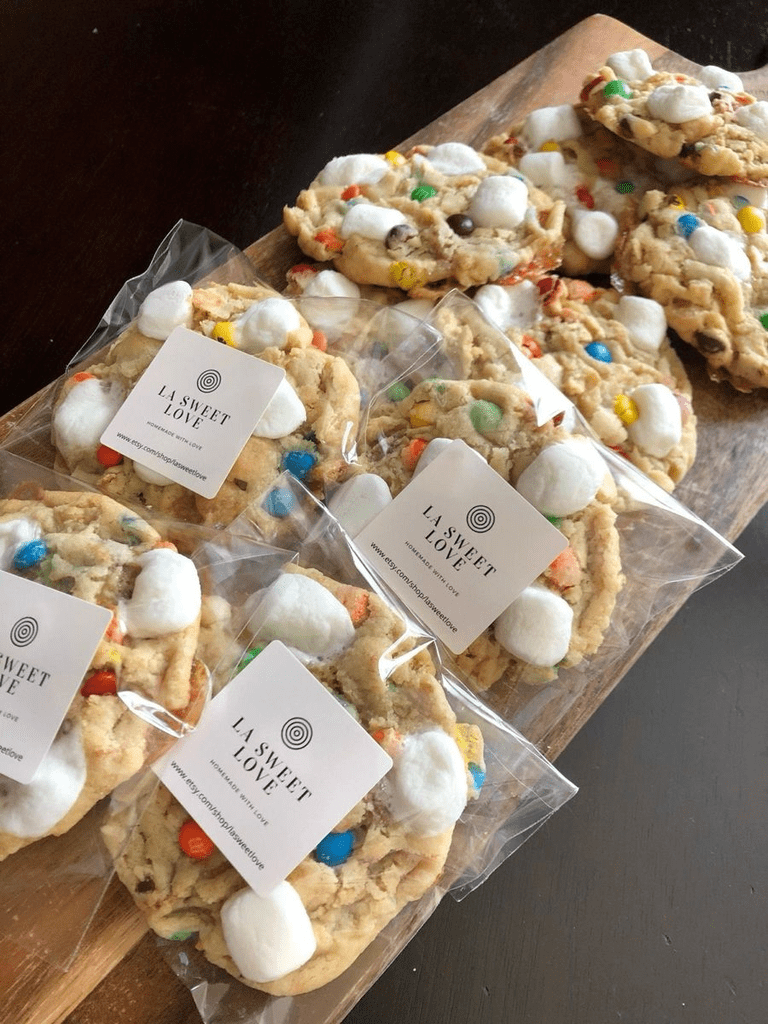
Cookies, brownies, cupcakes, decorated treats, breads, and seasonal baked goods can all be sold individually or in gift boxes.
Special occasions provide natural opportunities for themed products. Consider birthday boxes, holiday cookie sets, wedding favors, or customized celebration packages.
Food businesses require extra attention to hygiene, ingredient information, allergens, packaging, shelf life, and local regulations. Check the rules that apply in your location before selling.
Beautiful packaging can also help your products stand out. A simple box with a professional label and coordinated presentation can make homemade treats feel gift-ready.
Tips for Selling DIY Products
- Start small: Choose 2–4 products rather than trying to launch a huge collection.
- Calculate your costs: Include materials, packaging, equipment, transaction fees, and your time.
- Choose a target customer: Products become easier to market when you know exactly who you’re creating them for.
- Offer personalization: Names, colors, dates, and custom designs can increase the perceived value.
- Create bundles: Sets can encourage customers to purchase more than one item.
- Take better photos: Use natural lighting and simple backgrounds to showcase your products.
- Keep your branding consistent: Use similar packaging, labels, photography, and design styles.
- Test before scaling: Make a small batch and see which products receive the most interest.
- Track your best sellers: Put more effort into products that consistently attract customers.
- Make packaging part of the experience: Attractive presentation can make handmade products feel more premium.
Short Summary
There are countless DIY things to make and sell, from personalized candles and jewelry to tote bags, crochet products, greeting cards, pet accessories, and printable artwork. The best product for you depends on your skills, available budget, production time, and the type of customer you want to reach.
Start with a small collection, calculate your costs carefully, and focus on creating products that are useful, giftable, customizable, or visually appealing. As you learn what customers respond to, you can expand your product range and develop a recognizable handmade brand.
FAQs
1. What are the easiest DIY things to make and sell?
Greeting cards, scrunchies, keychains, simple jewelry, tote bags, and printable wall art can be beginner-friendly options.
2. What handmade products sell well?
Personalized gifts, home décor, jewelry, accessories, self-care products, and seasonal items can all have strong demand depending on your target market.
3. What can I make and sell with little money?
Printable products, greeting cards, scrunchies, simple jewelry, and small personalized crafts can be started with relatively limited materials.
4. Is it better to sell individual products or bundles?
Both can work. Bundles are particularly useful for giftable products because they can increase the overall order value while giving customers a convenient set.
5. How should I price handmade products?
Calculate your material and packaging costs, add appropriate labor compensation and business expenses, and then determine a profit margin that makes the product worthwhile to produce.
6. Can I sell DIY products online?
Yes. Handmade products can be promoted through social media, your own website, online marketplaces, and other platforms that support your product category and location.
7. How can I make handmade products look more professional?
Use consistent branding, clean packaging, quality labels, attractive photography, and consistent product designs.
8. Should I start with many different DIY products?
Usually, starting with a small collection is easier. You can test several products, identify your strongest sellers, and expand from there.