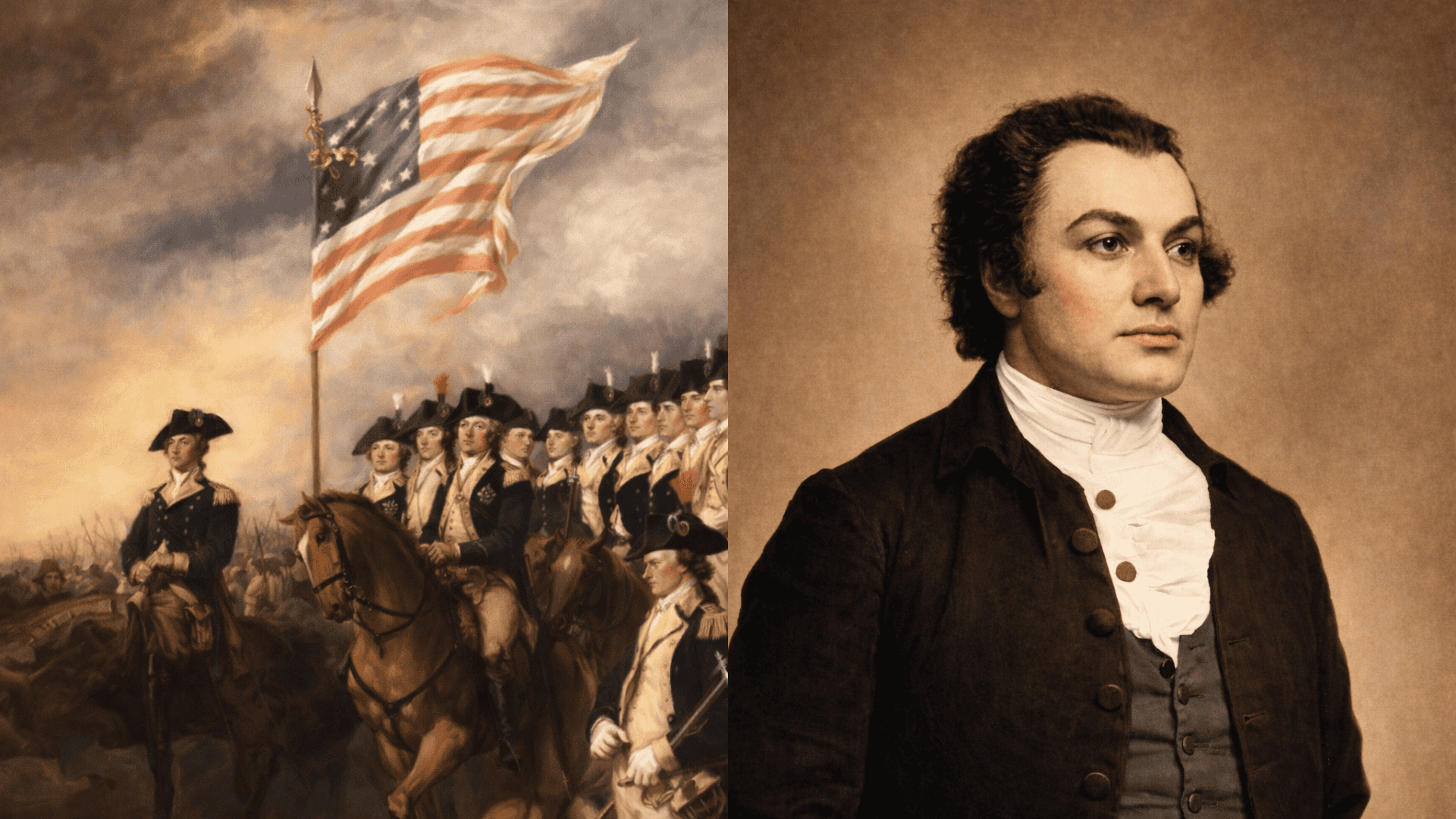
In the winter of the American Revolution, when the Continental Army was desperate for supplies and the young nation stood on the edge of collapse, one man quietly opened his fortune to keep the cause alive. His name was Haym Salomon and without his financial lifeline, the fight for independence might have faltered far sooner.
Salomon was born in Poland around 1740 and later immigrated to New York, where he built a career as a merchant and broker. When the Revolution erupted, he sided firmly with the Patriot cause. His support was not symbolic. It was financial, practical, and deeply personal.
During the war, the Continental Congress was chronically short of money. Soldiers went unpaid. Supplies ran thin. Inflation ravaged the fragile economy. In this atmosphere of uncertainty, Salomon stepped in as a crucial financier. Using his expertise in international finance and his connections with European lenders, he helped secure funds and convert foreign loans into usable currency for the struggling government.
But he didn’t stop at brokering deals. Salomon personally lent enormous sums of money to support the Revolutionary effort. In 1775 and the years that followed, he extended credit and advanced funds to the government and to key figures, including James Madison and other members of Congress. The total value of his contributions has been estimated at more than $650,000 at the time a staggering amount that would equal tens of millions of dollars today.
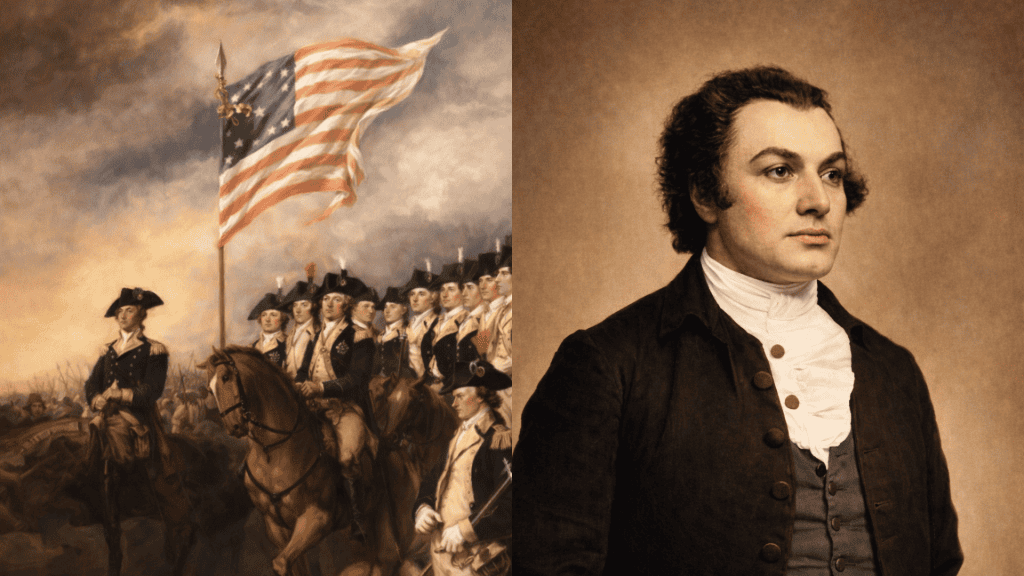
He rarely demanded repayment. When soldiers needed wages or supplies had to be purchased urgently, Salomon often covered the cost himself. At critical moments, his financial backing helped keep the army functioning and the government afloat.
Yet after the war, the gratitude he deserved never fully materialized. The new nation struggled with debt, and many private lenders were left waiting. Salomon was among them. When he died in 1785 at just 44 years old, he left his family with substantial unpaid claims against the government. Despite the immense role he played in sustaining the Revolution, he died in financial hardship.
For decades, his name remained largely absent from mainstream history books. Unlike generals or statesmen, financiers rarely stand at the center of patriotic paintings. But revolutions are not won by muskets alone. They are sustained by money, logistics, and the willingness of individuals to risk everything for an uncertain future.
Haym Salomon’s story is a reminder that the American Revolution was supported not only by battlefield bravery but also by financial sacrifice. He believed in the promise of a free nation strongly enough to stake his entire fortune on it and history owes far more to his quiet courage than it often acknowledges.