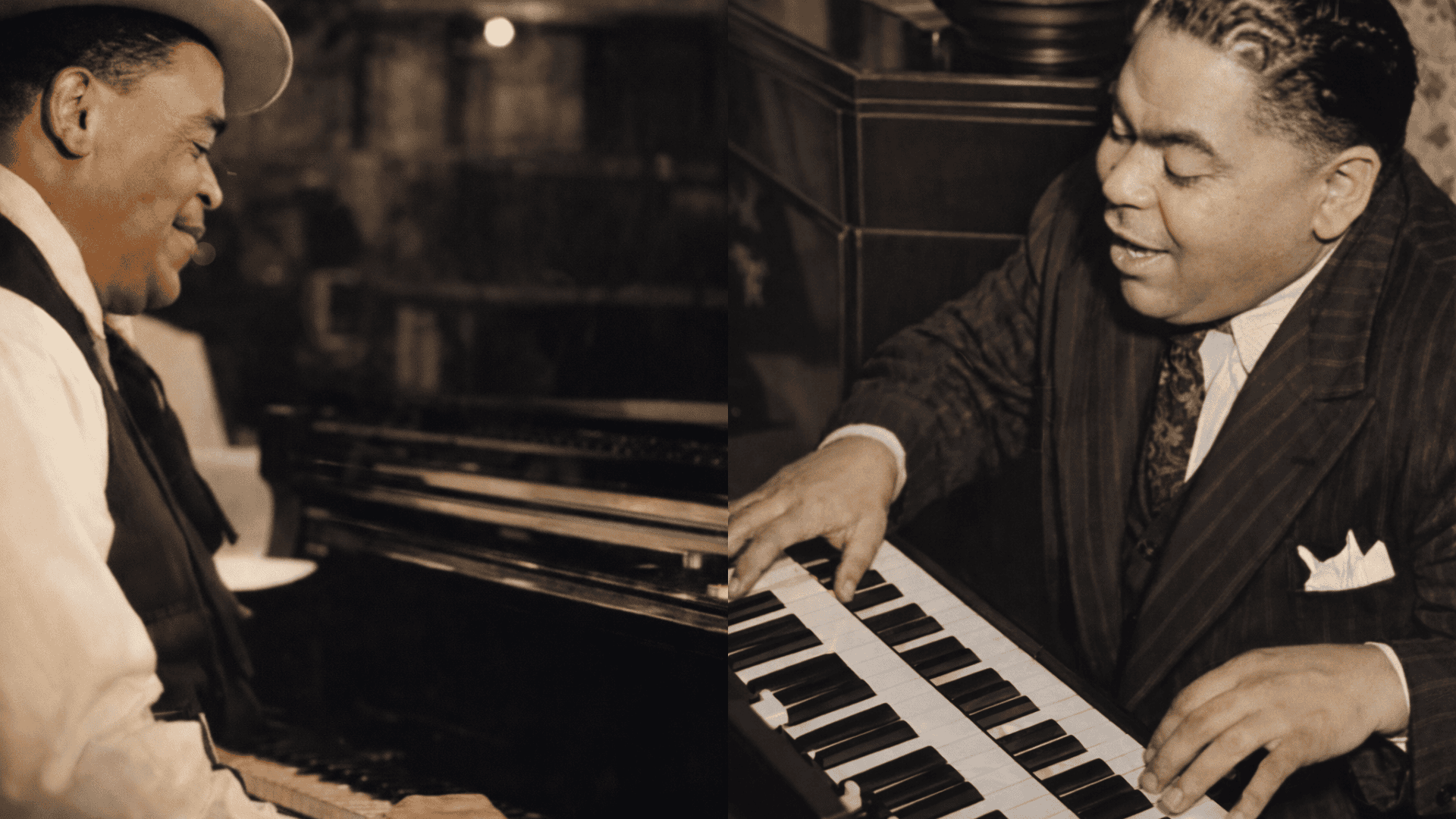
In 1926, at the height of Prohibition era Chicago, jazz pianist Fats Waller found himself at the center of one of the strangest episodes in American music history a story that sounds like legend but is widely retold in accounts of his life.
Thomas “Fats” Waller was already making a name for himself in the 1920s. A Harlem-born musical prodigy, he was known for his extraordinary stride piano technique, quick wit, and infectious stage presence. His playing could command a room, whether in a packed theater or a smoky club. But one night in Chicago, that talent reportedly drew the attention of some very powerful men.
According to the story, Waller was approached by a group of men after a performance and told he needed to come with them. It quickly became clear that this was no polite invitation. He was driven to a lavish party only to discover he was the “surprise guest” at none other than Al Capone’s birthday celebration.
Capone, the notorious Chicago mob boss, ruled much of the city’s underground empire during Prohibition. His parties were said to be extravagant affairs filled with liquor, laughter, and high-profile guests. And on that particular occasion, the entertainment had been arranged without the pianist’s prior knowledge.
For the next three days, Waller was reportedly kept at the celebration, seated at a piano and told to play. Whether “kidnapped” in the strictest sense or strongly pressured into staying, the message was clear: the mob wanted music, and Waller was going to provide it.
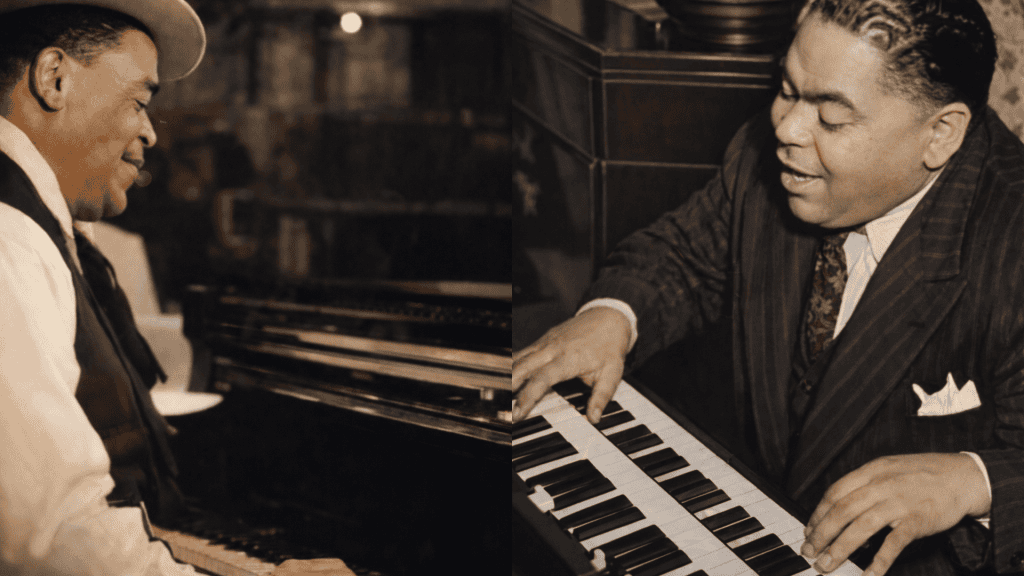
Yet what could have been a terrifying ordeal took on an almost surreal twist. Capone was said to be thrilled with the performance. Money flowed freely. Partygoers tipped generously. By the time Waller was allowed to leave, he was exhausted, extremely intoxicated and carrying thousands of dollars in cash.
Friends later found him shaken but very much alive, clutching the thick wad of bills he had earned over those marathon sessions at the keys.
The story has lived on because it captures the wild intersection of jazz and organized crime in 1920s America. Chicago during Prohibition was a city where speakeasies flourished behind hidden doors, where gangsters funded nightlife, and where musicians often performed in spaces controlled by powerful figures. For artists, the line between opportunity and danger could be razor thin.
Fats Waller went on to become one of the most beloved jazz musicians of his era, recording hits like “Ain’t Misbehavin’” and leaving a lasting influence on American music. But that bizarre 1926 episode remains one of the most talked-about moments of his life a reminder that in the roaring twenties, even a piano player could be swept into the orbit of America’s most infamous gangster.