Out on open water, survival usually follows strict rules. Time, temperature, distance, and darkness rarely bend in a person’s favor. By nightfall, hope often gives way to procedure. Rescue becomes recovery. That’s simply how the sea works.
On December 30, 2019, those rules should have won.
A 24-year-old French crew member fell overboard from a Club Med yacht near Saint Barthélemy in the Caribbean. One moment he was on deck, the next he was gone—swallowed by darkness and waves. The ocean does not pause for shock or fear. It moves, relentlessly, carrying people farther from where they fell, erasing reference points, draining strength with every passing minute.
As daylight faded, the odds collapsed. After hours in open water, especially at night, survival becomes rare. Most searches at that point prepare for the worst. People simply do not tread water for that long and live.
But that night, something unexpected happened.
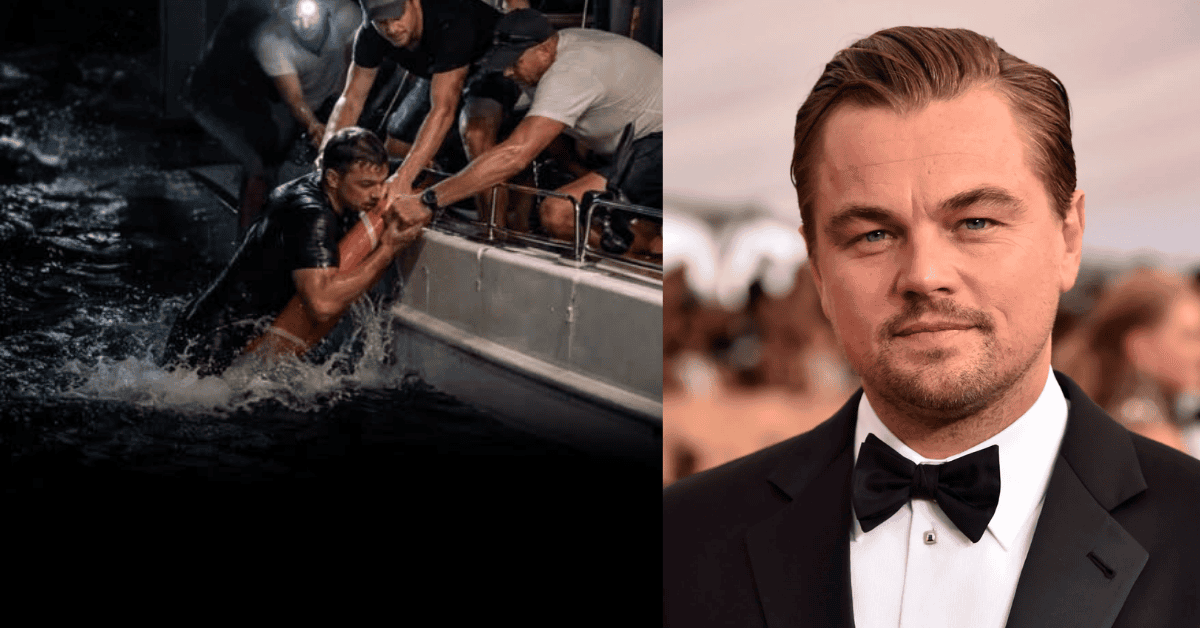
A nearby yacht picked up the distress call and changed course. No flashing headlines. No coordination with press. Just a decision made on the bridge. On board were Leonardo DiCaprio and a small group of friends, but that detail mattered far less than the fact that someone was close enough to respond. The captain didn’t hesitate. He turned the vessel toward the signal.
Hours passed. Darkness settled completely. Searching open water at night is like looking for a shadow inside a shadow—nearly impossible. And yet, against all probability, they spotted something. A shape. Movement. A figure barely distinguishable from the black surface of the sea.
It was the missing man.
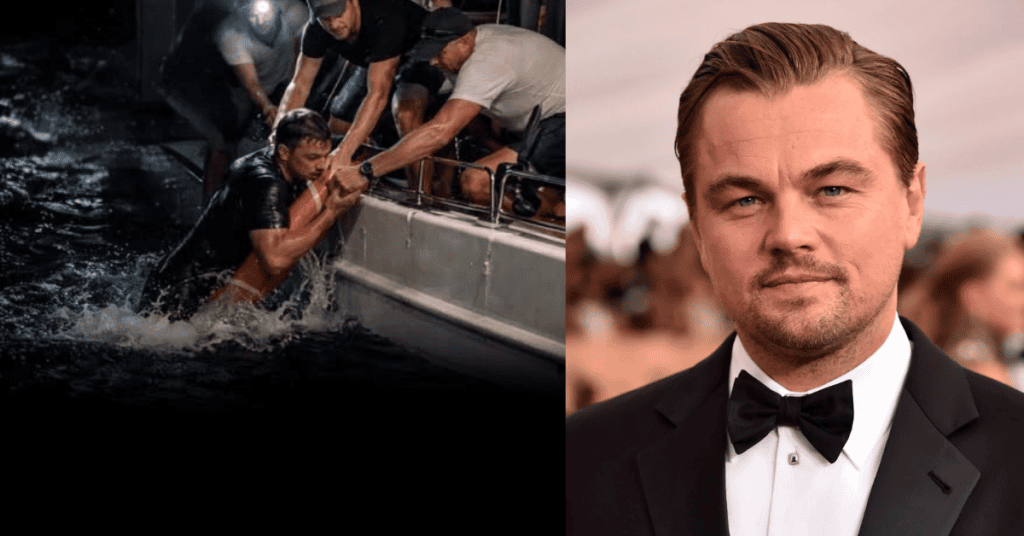
He was still alive, though just barely. Exhausted beyond words, he had been treading water through the night, holding on with nothing but instinct and determination. When they pulled him aboard, there was no celebration, no dramatics. Just immediate care. He was given food, water, dry clothes, and a place to sit and breathe. Soon after, he was transferred safely to the coast guard.
That should have been the end of it.
But stories like this rarely stay quiet for long, especially when a famous name is attached. It’s tempting to turn the moment into celebrity folklore—a Hollywood rescue, a heroic anecdote, something larger than life. Yet doing so misses what truly mattered out there on the water.
Status didn’t save that man. Fame didn’t keep him afloat. There were no cameras when the course was changed, no audience when the decision was made. What saved him was timing, proximity, and a willingness to listen instead of sail on. A boat happened to be close enough. A crew chose not to ignore the call. A search continued when logic suggested it shouldn’t.
That alignment almost never happens.
The ocean is full of stories where help arrives too late, where distance wins, where silence answers distress. This was one of the rare moments when presence mattered more than probability.
Sometimes survival doesn’t come from grand systems, perfect planning, or dramatic heroics. Sometimes it comes from someone close enough to hear a call in the dark—and choosing, quietly, not to pass by.