
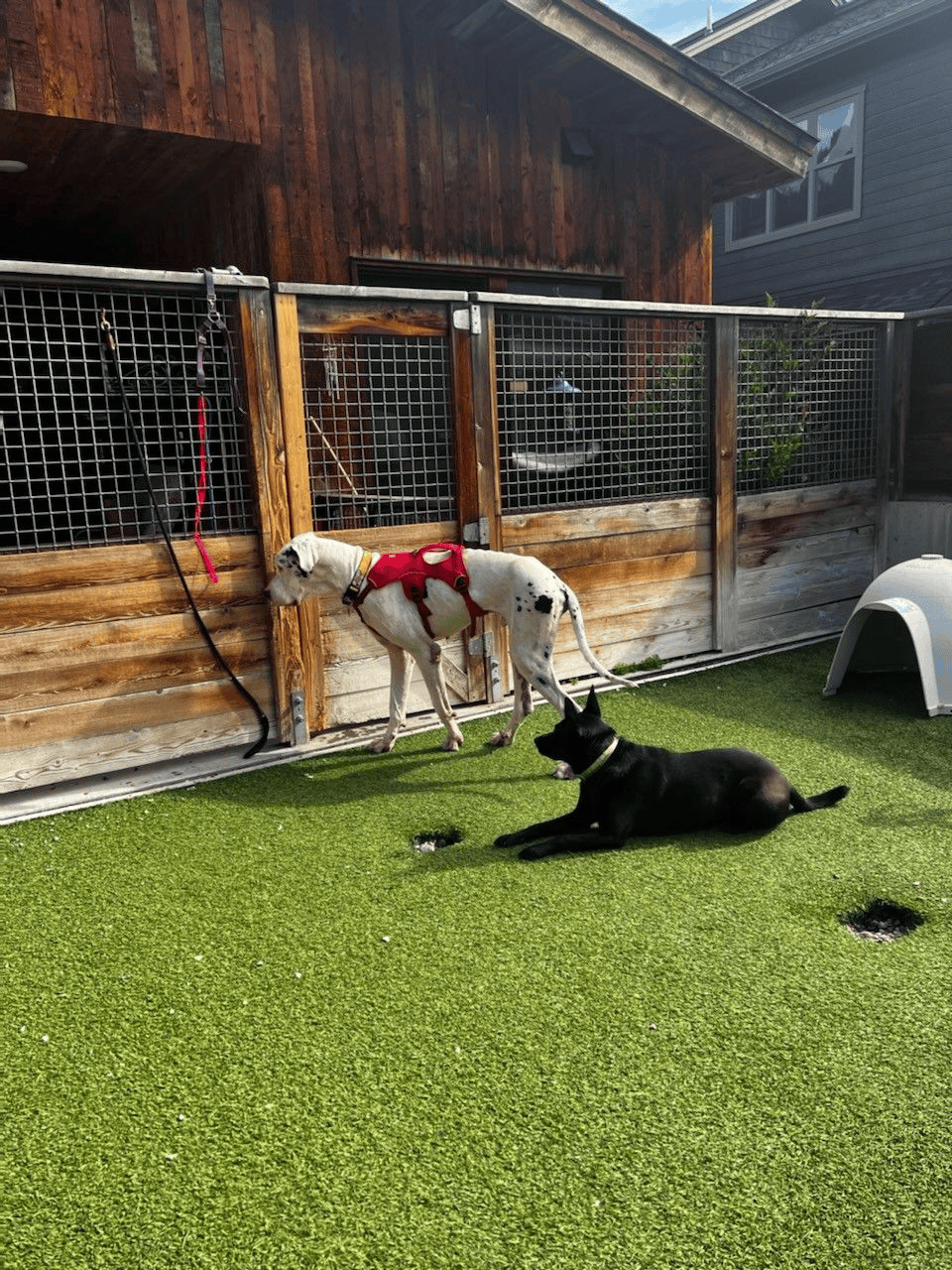
Creating a pet-friendly home ensures that your furry, feathered, or small companion is safe, comfortable, and happy. In 2026, more pet owners are focusing on adapting their living spaces to accommodate pets while maintaining functionality and style. A well-prepared home reduces stress for both pets and owners, prevents accidents, and encourages a harmonious environment.
Making a home pet-friendly involves adjusting safety measures, providing comfort, and organizing spaces to meet pets’ physical and emotional needs. Below are 8 practical ways to make your home welcoming and secure for pets of all types and sizes.
1. Designate a Pet Zone
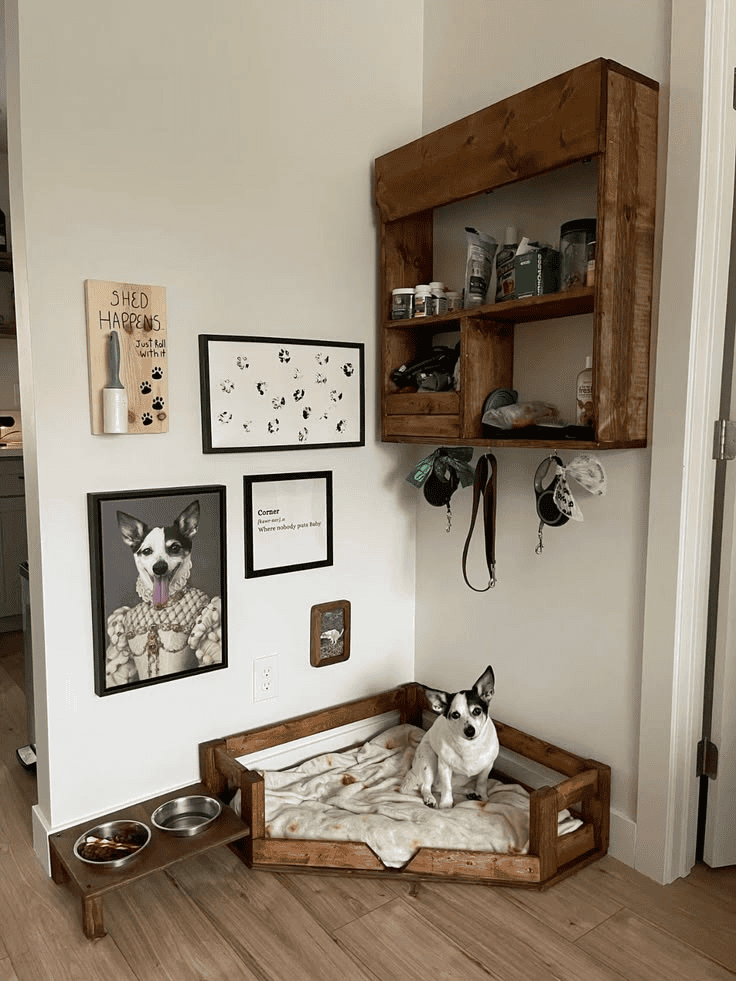
Create a specific area for your pet with a bed, toys, and feeding station. This gives them a safe and comfortable spot to relax.
A designated pet zone helps organize the home, reduces mess, and provides pets with a sense of security.
2. Use Pet-Safe Materials

Choose flooring, furniture, and fabrics that are durable and easy to clean. Avoid toxic plants or materials that can harm pets.
Pet-safe materials minimize damage, prevent accidents, and create a low-maintenance, healthy living space.
3. Secure Hazardous Areas
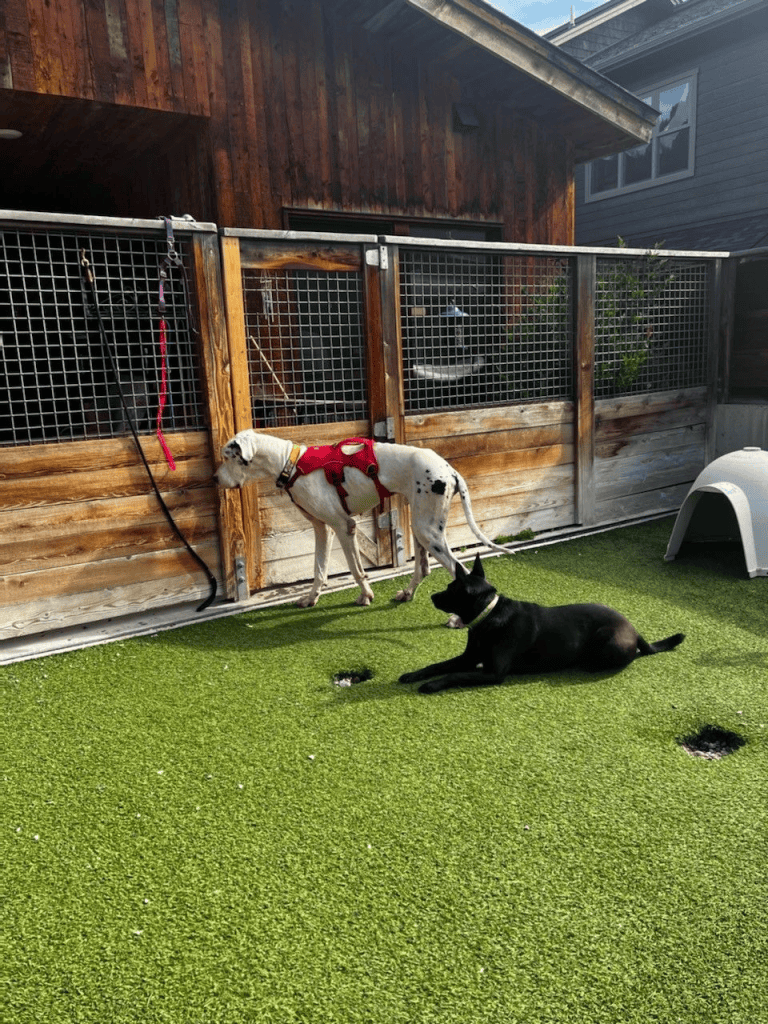
Keep chemicals, cleaning supplies, wires, and small objects out of reach. Use gates or barriers for restricted rooms.
Preventing access to dangerous items reduces accidents, poisoning, and injuries, keeping your pet safe.
4. Provide Accessible Water and Food
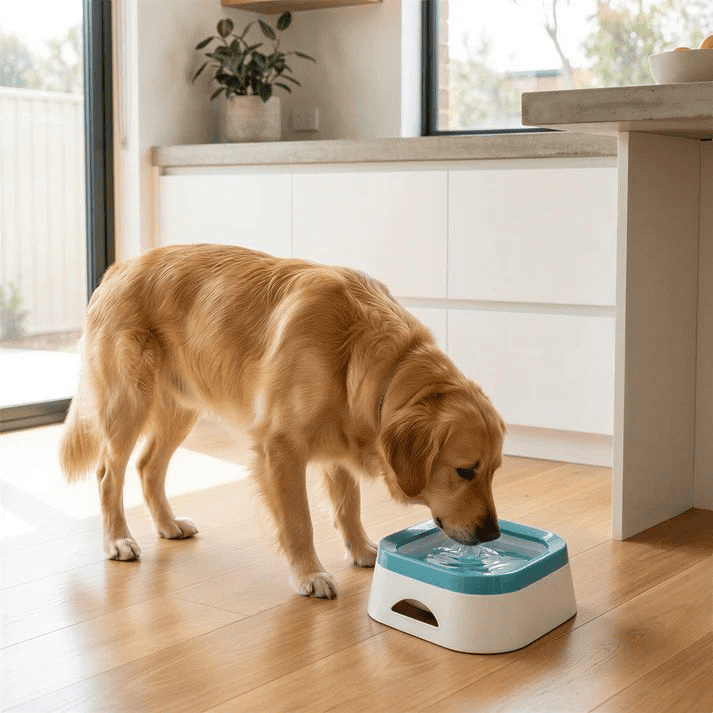
Ensure pets have fresh water and accessible feeding areas. Elevated bowls may benefit larger or older pets.
Consistent access to food and water maintains hydration, nutrition, and routine, contributing to their overall well-being.
5. Include Safe Play and Exercise Spaces
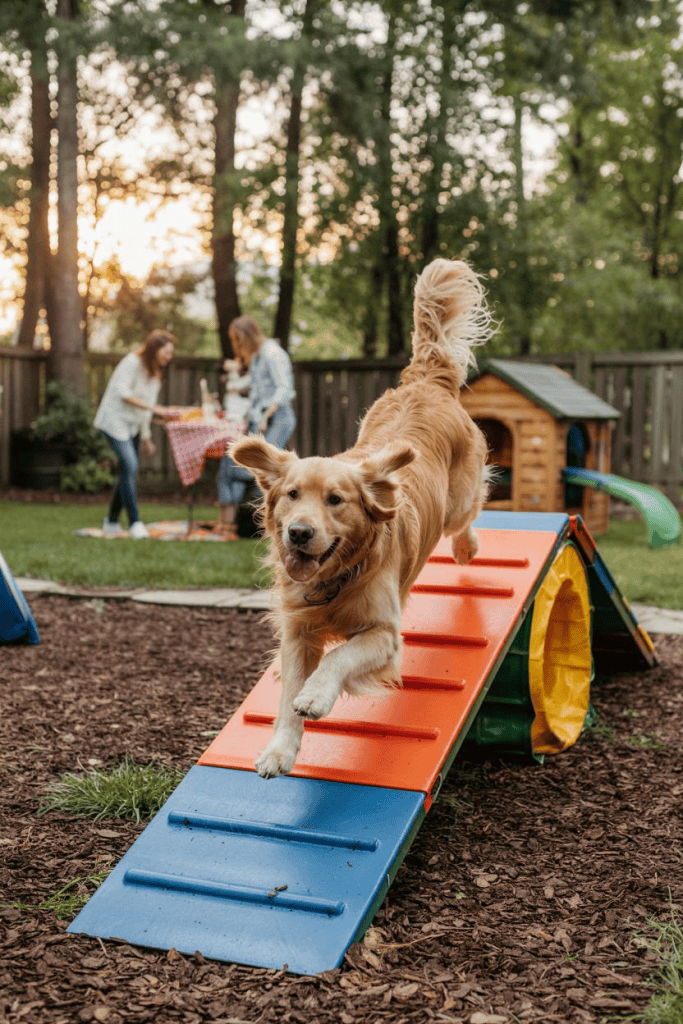
Provide indoor or outdoor areas for running, climbing, or playing with toys. Use interactive or puzzle toys to stimulate mental activity.
Regular exercise and play prevent boredom, promote health, and strengthen bonds with your pet.
6. Create Cozy Resting Areas
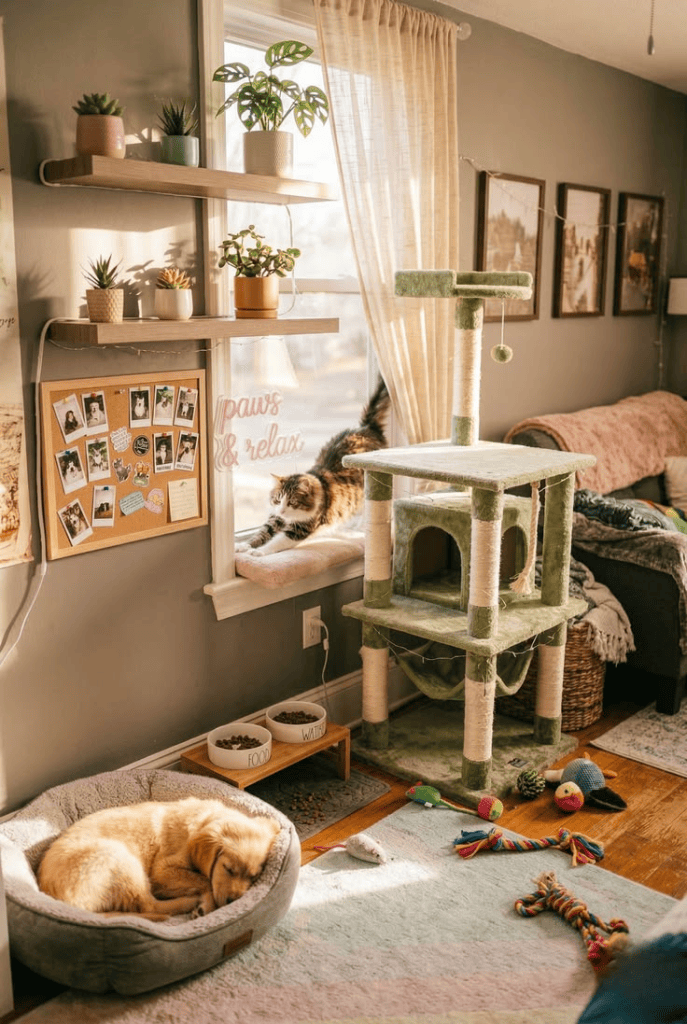
Offer comfortable beds, blankets, or hideaways where pets can rest undisturbed.
Providing a safe resting area supports emotional security, reduces stress, and ensures pets have a personal space.
7. Install Pet-Friendly Outdoor Spaces
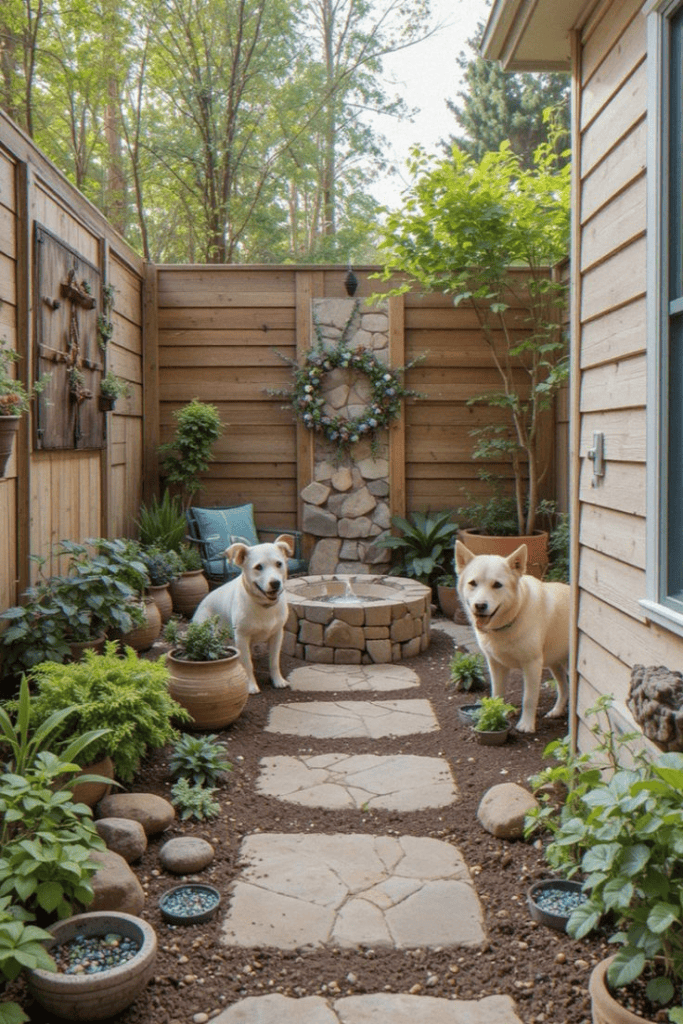
If possible, design a secure yard or balcony with fencing or barriers. Include shaded spots and toys for outdoor engagement.
Outdoor access encourages exercise, exploration, and mental stimulation while ensuring safety.
8. Maintain Cleanliness and Hygiene
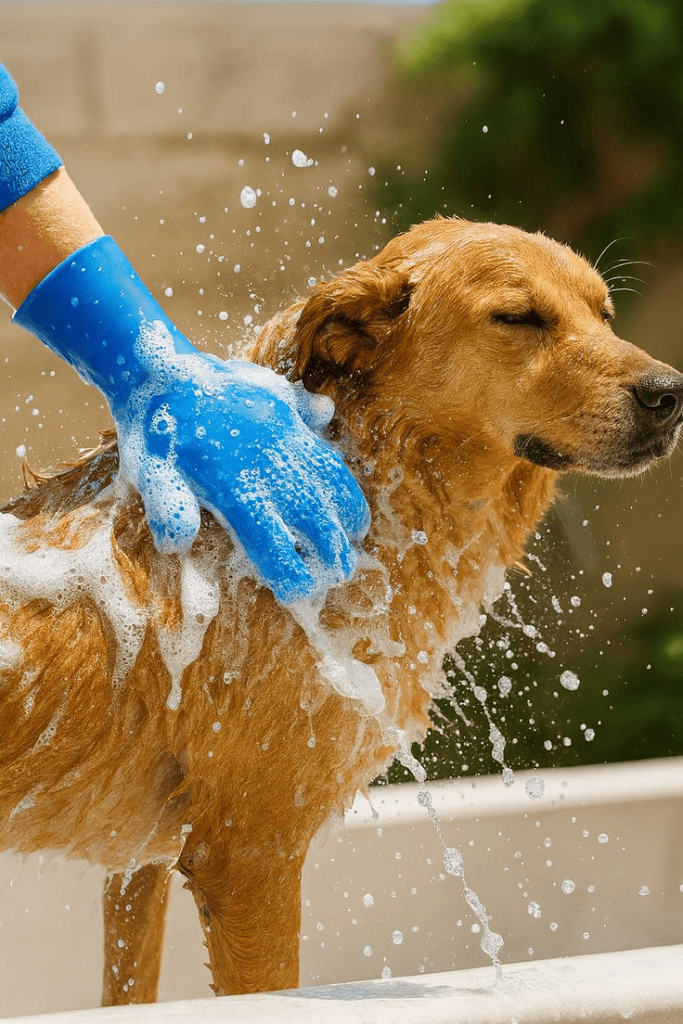
Regularly clean pet areas, litter boxes, cages, and feeding stations. Groom pets routinely to minimize shedding and odors.
Maintaining hygiene keeps pets healthy, reduces allergens, and ensures a pleasant home environment for everyone.
Summary
Making a home pet-friendly in 2026 involves creating safe, comfortable, and stimulating spaces for pets while maintaining cleanliness and organization. Designating pet zones, using safe materials, securing hazards, providing accessible food and water, offering play and exercise areas, cozy resting spots, outdoor spaces, and routine hygiene practices ensure pets thrive in a harmonious home. Implementing these 8 strategies promotes safety, comfort, and bonding for both pets and their owners.
FAQ
1. What is the easiest way to make a home safe for pets?
Create designated zones, secure hazardous areas, and provide accessible food, water, and resting spots.
2. Are certain materials better for pet-friendly homes?
Yes, durable, non-toxic, and easy-to-clean flooring, furniture, and fabrics are recommended.
3. How can I keep pets entertained indoors?
Provide toys, puzzle feeders, climbing structures, and interactive play sessions.
4. Should outdoor spaces be fenced for pets?
Yes, secure outdoor areas prevent accidents and allow safe exploration.
5. How often should I clean pet areas?
Daily or weekly cleaning routines for bedding, litter boxes, and feeding stations maintain hygiene.
6. Can small apartments be pet-friendly?
Absolutely—designate areas, use vertical space, and provide toys and cozy spots to meet pets’ needs.