
Feeding your pets a balanced diet is essential for their health and well-being. In 2026, pet owners are becoming increasingly aware that certain human foods can be harmful or even toxic to animals. Whether it’s a dog, cat, or small mammal, consuming the wrong foods can lead to digestive issues, poisoning, or long-term health problems.
Understanding which foods to avoid ensures pets stay safe and healthy while allowing owners to make informed choices about treats and supplements. Below are 12 common foods that pets should never eat, along with explanations of the potential risks.
1. Chocolate

Chocolate contains theobromine, which is toxic to dogs and cats. Even small amounts can cause vomiting, diarrhea, rapid heart rate, or seizures.
Dark chocolate and baking chocolate are especially dangerous. Keep all chocolate products out of reach and never offer it as a treat.
2. Grapes and Raisins
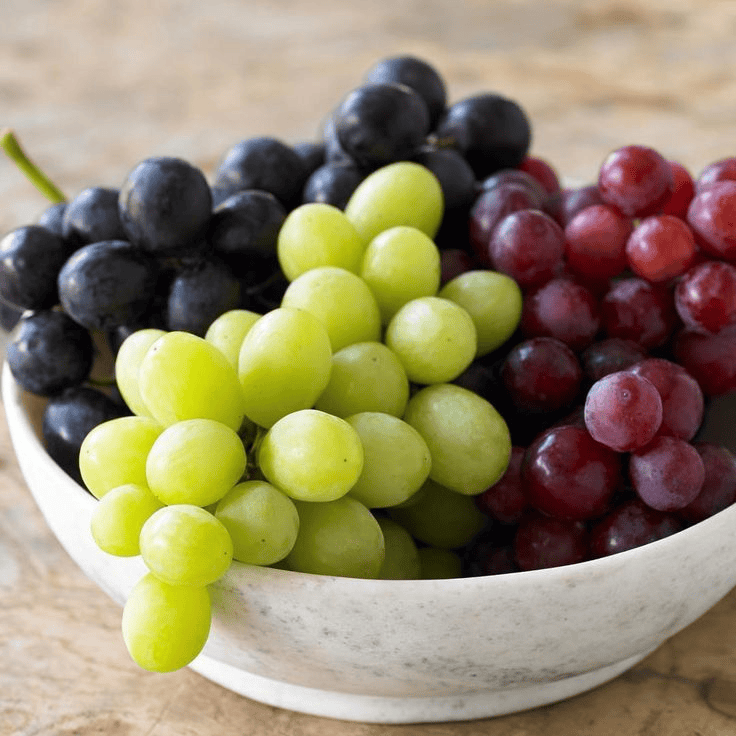
Grapes and raisins can cause kidney failure in dogs. Symptoms include vomiting, lethargy, and decreased appetite.
Even a small amount can be dangerous, so it’s best to completely avoid feeding grapes or raisins to pets.
3. Onions and Garlic
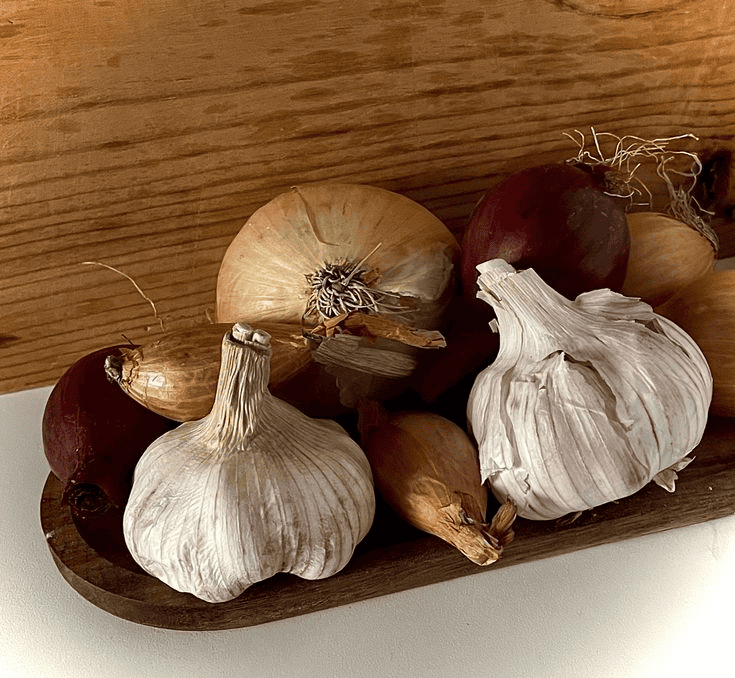
Onions, garlic, and related vegetables contain compounds that can damage red blood cells, leading to anemia in pets.
Avoid feeding cooked, raw, or powdered forms, as even small quantities can accumulate and cause health issues.
4. Avocado
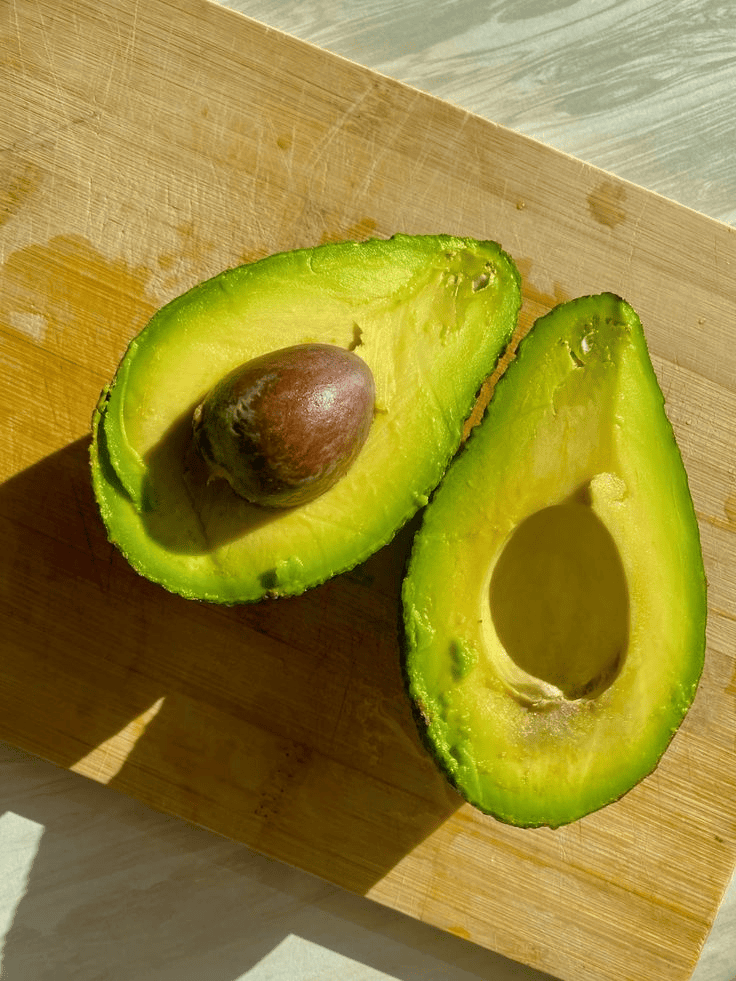
Avocado contains persin, which can be toxic to some pets, particularly birds, rabbits, and small mammals.
Consumption can lead to vomiting or diarrhea, so avoid offering avocado flesh, skin, or pit to pets.
5. Alcohol

Alcohol is extremely dangerous for pets, affecting the central nervous system and causing vomiting, coordination issues, and respiratory problems.
Even small amounts in beverages or foods like dough or desserts should be strictly avoided.
6. Caffeine
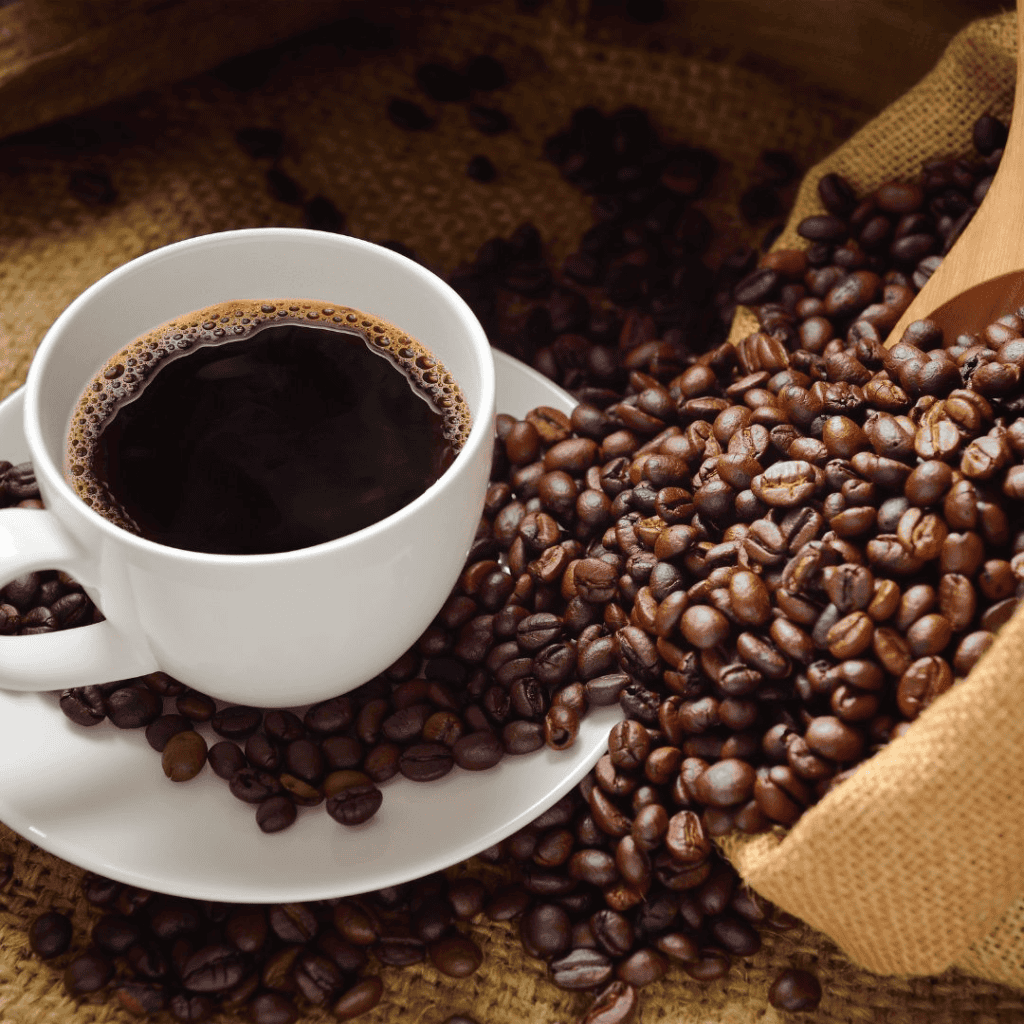
Coffee, tea, energy drinks, and other caffeinated products can cause rapid heart rate, restlessness, or seizures in pets.
Keep all caffeinated items out of reach and never use them as part of pet treats.
7. Xylitol
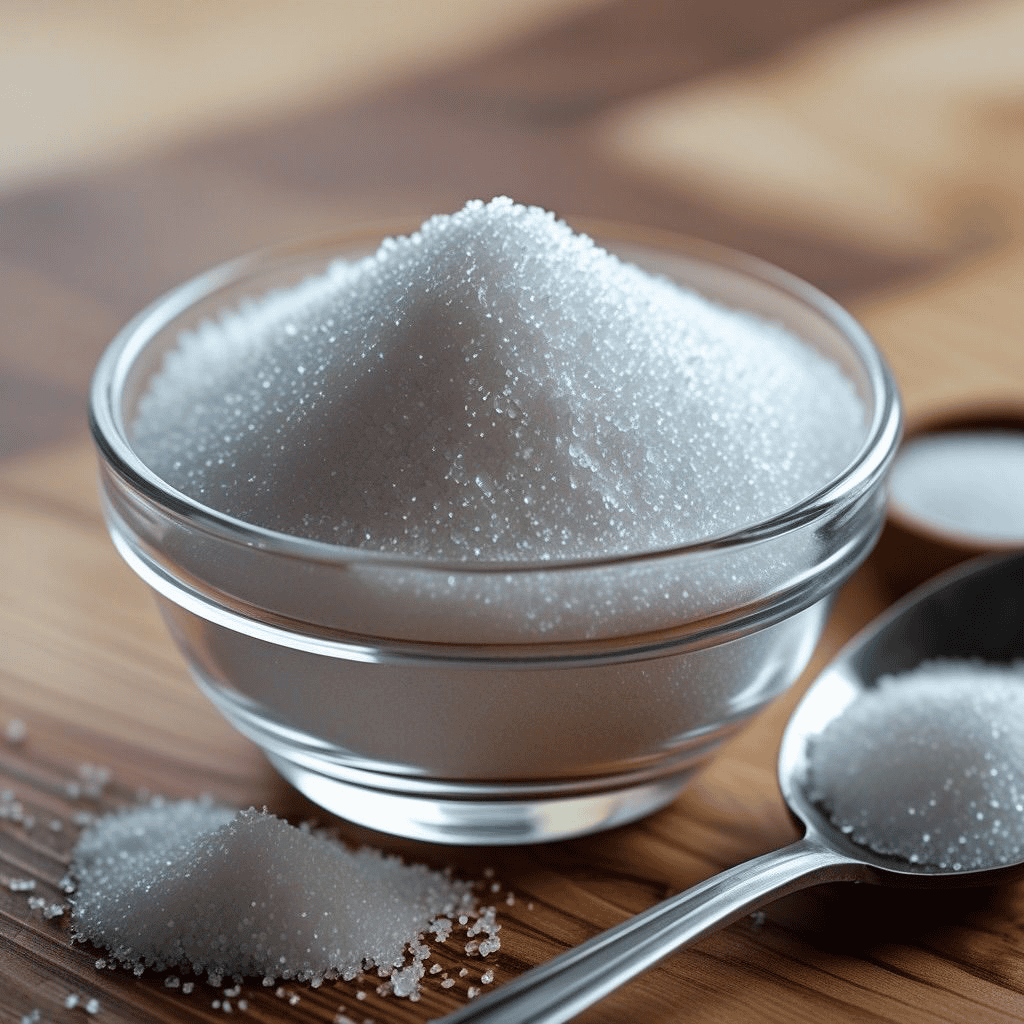
Xylitol is a sugar substitute found in sugar-free gum, candy, and baked goods. It can cause insulin release, leading to hypoglycemia or liver failure in dogs.
Check labels carefully and avoid any products containing xylitol around pets.
8. Macadamia Nuts
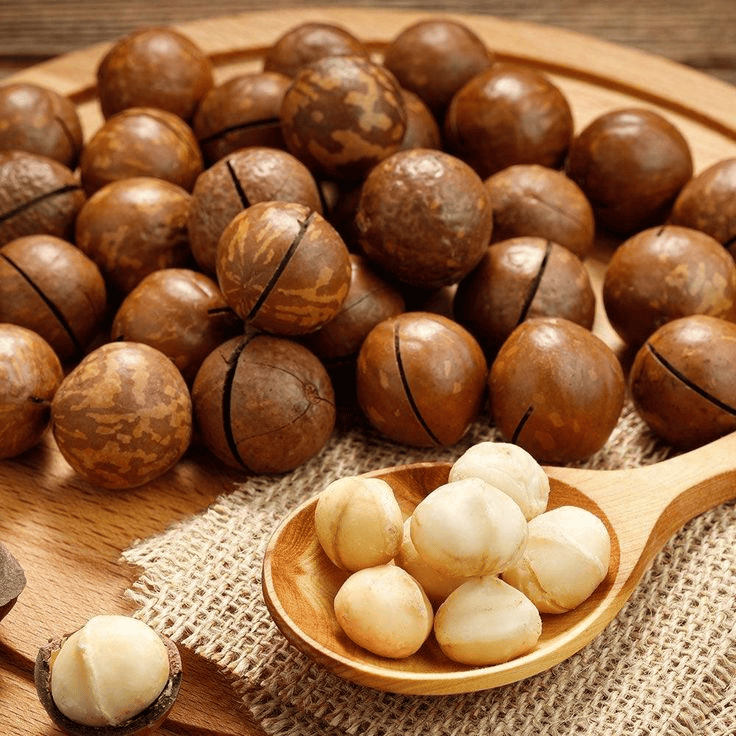
Macadamia nuts are toxic to dogs, causing weakness, vomiting, tremors, and elevated body temperature.
Keep nuts stored securely and never feed them to pets, even in small amounts.
9. Raw Dough
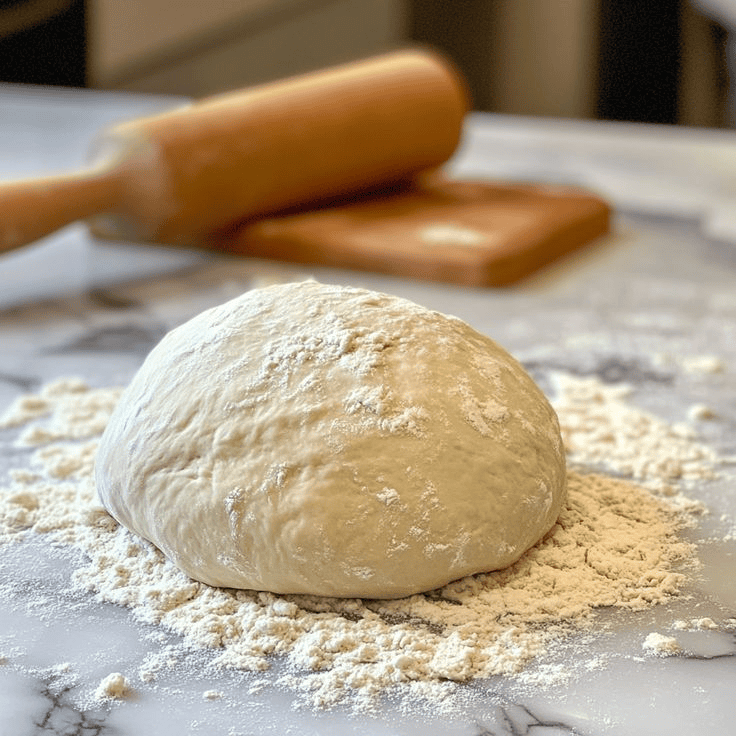
Raw bread or pizza dough containing yeast can expand in the stomach and produce alcohol, leading to bloating and toxicity.
Avoid offering uncooked dough and ensure pets cannot access it in the kitchen.
10. Fatty Foods
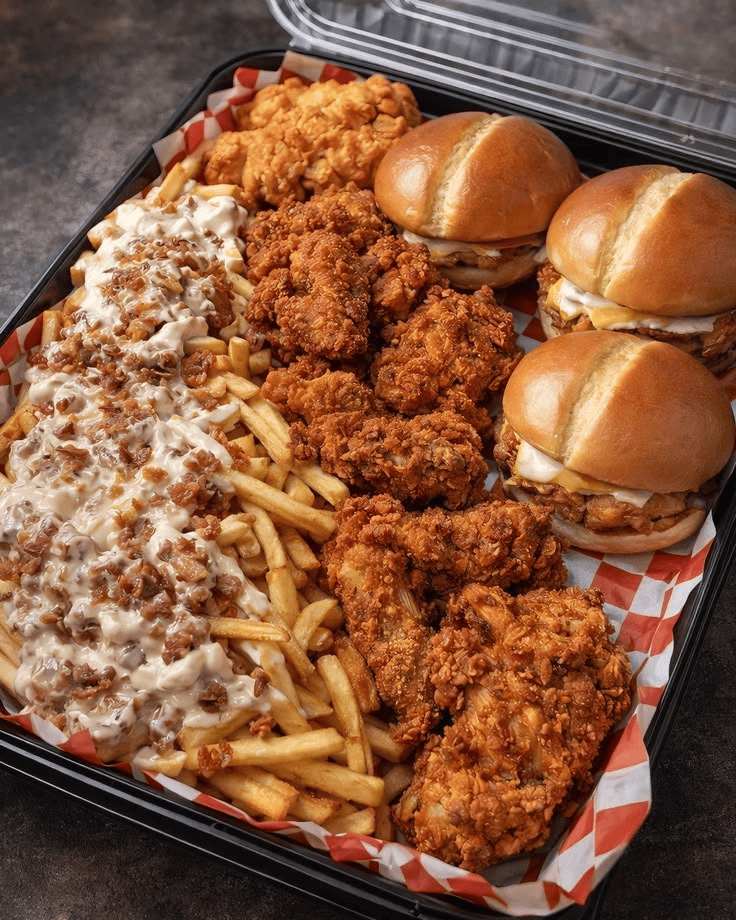
High-fat foods like bacon, fried foods, or rich human meals can cause pancreatitis in pets.
Provide treats in moderation and stick to pet-specific diets to maintain digestive health.
11. Dairy Products
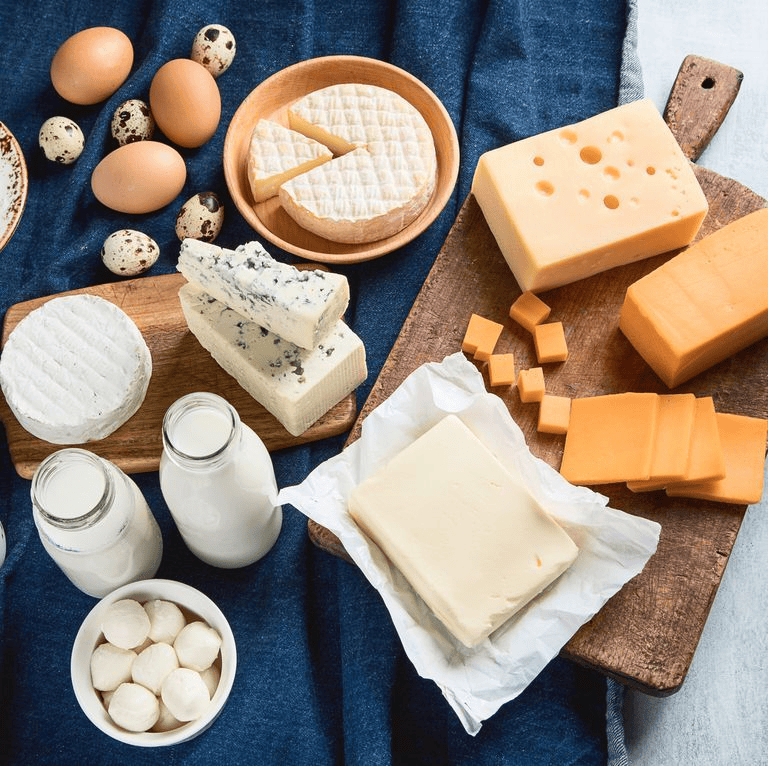
Some pets are lactose intolerant, leading to diarrhea, vomiting, or gas when consuming milk, cheese, or ice cream.
Offer small, safe alternatives like lactose-free treats if necessary, but avoid standard dairy products.
12. Bones from Cooked Meat
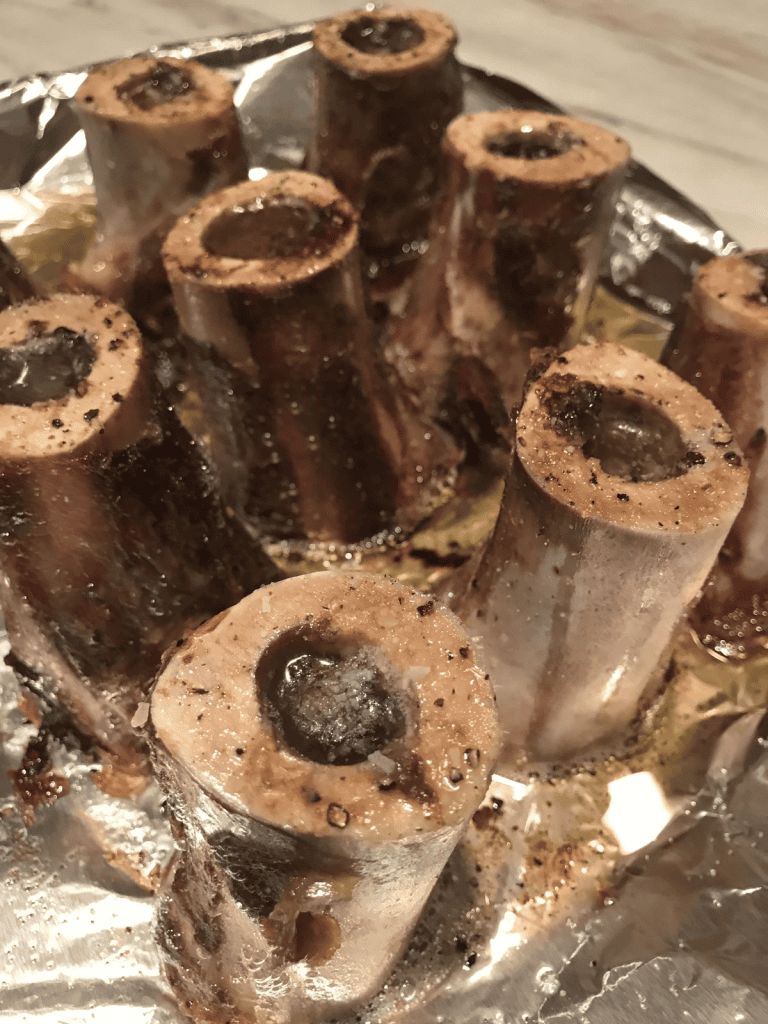
Cooked bones can splinter, causing choking, mouth injuries, or intestinal blockages.
If giving bones, choose raw or specifically designed pet-safe chews and supervise chewing sessions.
Summary
Keeping pets safe from harmful foods is crucial in 2026 for maintaining health and preventing emergencies. Chocolate, grapes, onions, avocado, alcohol, caffeine, xylitol, macadamia nuts, raw dough, fatty foods, dairy, and cooked bones can cause severe reactions or long-term health problems. Being aware of these 12 common food hazards allows pet owners to make safe choices, ensuring the well-being and longevity of their companions.
FAQ
1. Can small amounts of these foods be safe?
No, even small quantities of some foods like chocolate, grapes, or xylitol can be dangerous.
2. Are some pets more sensitive than others?
Yes, dogs, cats, birds, and small mammals vary in sensitivity to toxic foods.
3. How can I treat accidental ingestion?
Contact a veterinarian immediately if your pet consumes any toxic foods.
4. Are all nuts unsafe for pets?
Macadamia nuts are particularly toxic, while some other nuts may be safe in moderation—but always check before feeding.
5. Can cooked vegetables like onions be harmful?
Yes, both raw and cooked onions or garlic can cause anemia in pets.
6. Are dairy products safe for all pets?
Many pets are lactose intolerant; dairy can cause digestive upset in most cats and dogs.