
Rustic rosemary bread is a wonderful way to bring the comforting aroma of freshly baked bread into your kitchen. With its earthy fragrance, savory flavor, and golden crust, rosemary pairs beautifully with ingredients such as garlic, olive oil, sea salt, thyme, and parsley. Whether you prefer a crusty artisan loaf, soft dinner rolls, or a simple focaccia, fresh herbs can turn everyday bread into something special. Many rosemary bread recipes use basic pantry ingredients, making them an affordable choice for home bakers who want delicious results without purchasing expensive specialty products.
One of the best things about baking rosemary bread is how versatile it can be. You can serve it alongside soups, salads, pasta, and roasted vegetables, or enjoy a warm slice with butter as a satisfying snack. Fresh rosemary provides a vibrant herbal aroma, while dried rosemary can be a convenient alternative when fresh herbs are unavailable. By experimenting with different doughs, toppings, and additional herbs, you can create a variety of rustic breads suited to family meals, weekend baking, and special gatherings. Here are eight delicious rosemary bread recipes to inspire your next baking session.
1. Classic Rustic Rosemary Artisan Bread
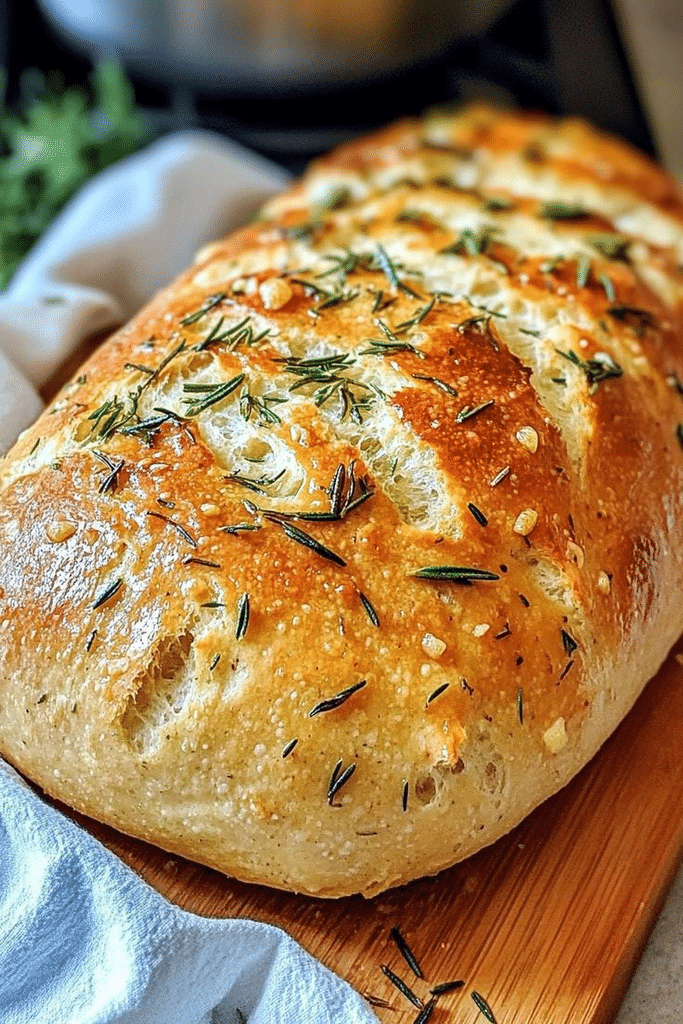
Classic rustic rosemary artisan bread is an excellent starting point for anyone who loves homemade bread with a crisp crust and soft, flavorful interior. The combination of flour, yeast, water, salt, olive oil, and fresh rosemary creates a simple loaf with a delicious herbal aroma. Its slightly irregular shape and golden crust give it a traditional bakery-style appearance, making it suitable for both everyday meals and special occasions. You can prepare it using basic kitchen equipment without needing a bread machine.
To make this loaf, combine bread flour, yeast, salt, chopped fresh rosemary, warm water, and a little olive oil. Mix until a rough dough forms, then knead until smooth and elastic. Cover and allow the dough to rise until doubled in size. Shape it into a round loaf, let it rise again, and bake in a preheated oven until the crust becomes deeply golden and the bread sounds hollow when tapped. For a more pronounced crust, bake in a suitable covered oven-safe pot, following the manufacturer’s temperature guidance. Let the loaf cool before slicing so the interior can finish setting. Serve with olive oil, soup, or a simple cheese board.
2. Garlic and Rosemary Focaccia
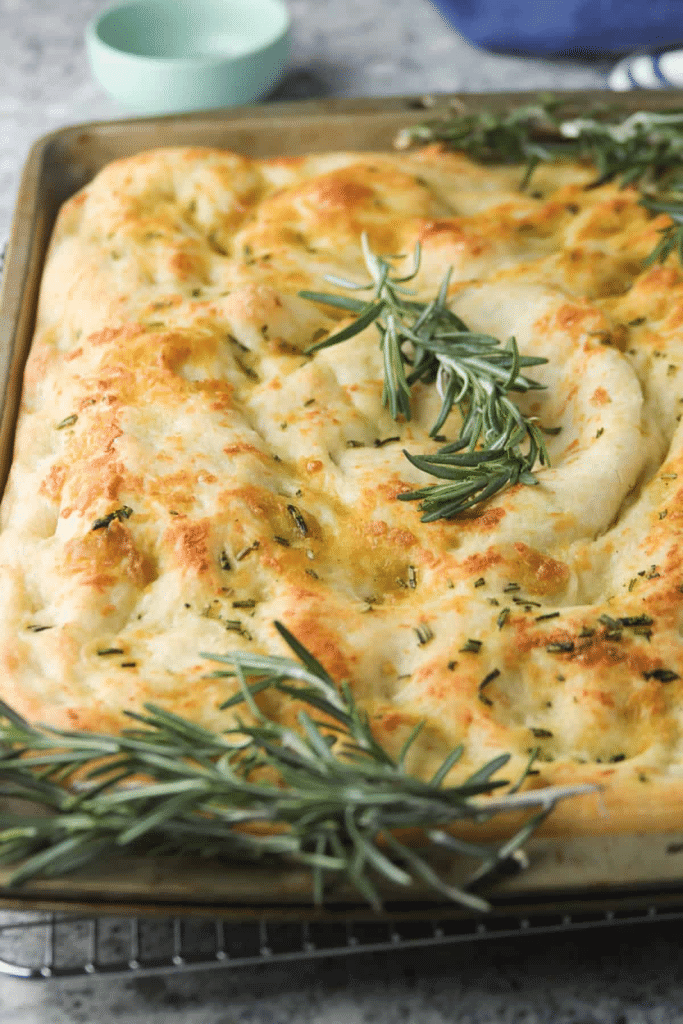
Garlic and rosemary focaccia is a soft, airy Italian-style flatbread with a flavorful olive oil finish. Its dimpled surface holds small pools of oil, allowing the garlic, rosemary, and sea salt to create a fragrant topping. This bread is especially appealing for people who enjoy a slightly crisp exterior with a tender, chewy center. It works beautifully as a side dish for pasta, roasted vegetables, salads, and hearty soups, and it can also be sliced horizontally for sandwiches.
Prepare a dough using flour, yeast, warm water, salt, and olive oil, then knead until smooth. Let it rise until noticeably puffy before transferring it to a generously oiled baking pan. Gently stretch the dough to fit the pan and allow it to rest again. Press your fingertips into the surface to create dimples, then drizzle with olive oil and scatter over finely chopped garlic, fresh rosemary, and flaky salt. Bake in a preheated oven until golden brown. For the best flavor, add fresh rosemary before baking and reserve a small amount to sprinkle on top after baking if desired. Allow the focaccia to cool slightly before cutting it into squares.
3. Rosemary and Thyme Whole-Wheat Bread
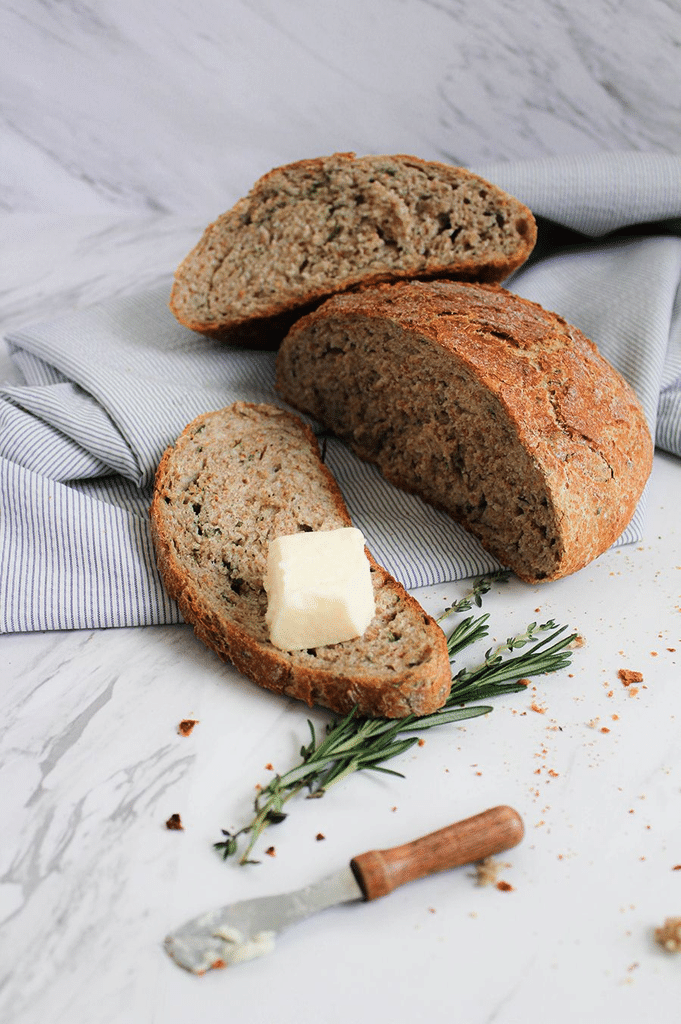
Rosemary and thyme whole-wheat bread combines the earthy flavor of whole-wheat flour with the fragrant qualities of two classic culinary herbs. Whole-wheat flour contributes a nutty taste and a denser texture than bread made entirely with white flour, while rosemary and thyme provide a savory aroma. This loaf is a good option for anyone who enjoys hearty bread with soups, lentil dishes, vegetable stews, and simple sandwiches.
To prepare it, combine whole-wheat flour with bread flour, yeast, salt, warm water, olive oil, chopped rosemary, and fresh thyme leaves. Using a mixture of whole-wheat and bread flour can help the loaf maintain a lighter texture than using whole-wheat flour alone. Knead the dough until it becomes smooth, then cover and let it rise until doubled. Shape it into a loaf, transfer it to a suitable pan, and allow it to rise again before baking. The finished bread should have a firm crust and a tender, aromatic interior. If the dough feels dry during mixing, add water gradually rather than pouring in too much at once. Serve toasted with butter, hummus, or your favorite savory spread.
4. No-Knead Rosemary Olive Bread
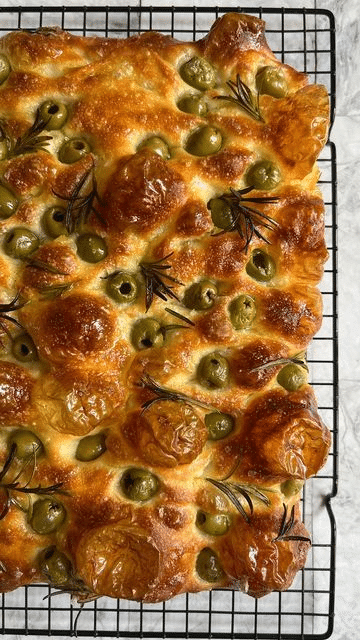
No-knead rosemary olive bread is ideal for home bakers who want flavorful artisan bread without spending time kneading dough. Green or black olives add a salty, savory taste that complements the fragrant notes of fresh rosemary. The long resting period helps the dough develop flavor and structure, while the simple preparation makes this loaf approachable even for beginners. Its rustic appearance and Mediterranean-inspired flavor make it a lovely addition to dinner tables and casual gatherings.
Mix flour, yeast, salt, chopped rosemary, sliced olives, and water until a sticky dough forms. Cover the bowl and allow the dough to rise slowly until it becomes bubbly and expands noticeably. Depending on your recipe and room temperature, this may take several hours. Turn the dough onto a lightly floured surface, shape it gently, and allow it to rest before baking. A preheated covered oven-safe pot can help create a crisp crust, but always check that the pot and lid are rated for the required oven temperature. Drain olives well before adding them to avoid introducing excess moisture. Let the bread cool before slicing and serve it with soup, cheese, or olive oil for dipping.
5. Rosemary and Parmesan Bread Rolls

Rosemary and Parmesan bread rolls are soft, savory, and perfect for family dinners or weekend gatherings. Fresh rosemary gives the dough a fragrant herbal note, while Parmesan adds a salty, nutty flavor that works beautifully with the bread’s tender texture. Individual rolls are convenient because everyone can take one without slicing a large loaf. They also make excellent additions to lunch boxes, picnic baskets, and holiday meals.
To make them, combine flour, yeast, warm milk or water, salt, a little sugar, olive oil or softened butter, chopped rosemary, and grated Parmesan. Knead the dough until smooth and allow it to rise until doubled in size. Divide it into equal portions and shape each portion into a small ball. Arrange the rolls on a lined baking tray, leaving enough space for expansion, and allow them to rise again. Brush the tops lightly with milk or olive oil, then sprinkle with a little extra Parmesan and rosemary. Bake until the rolls are golden and cooked through. For a softer crust, cover the warm rolls with a clean kitchen towel as they cool. Serve alongside roasted vegetables, creamy soups, or pasta dishes.
6. Rosemary and Roasted Garlic Bread
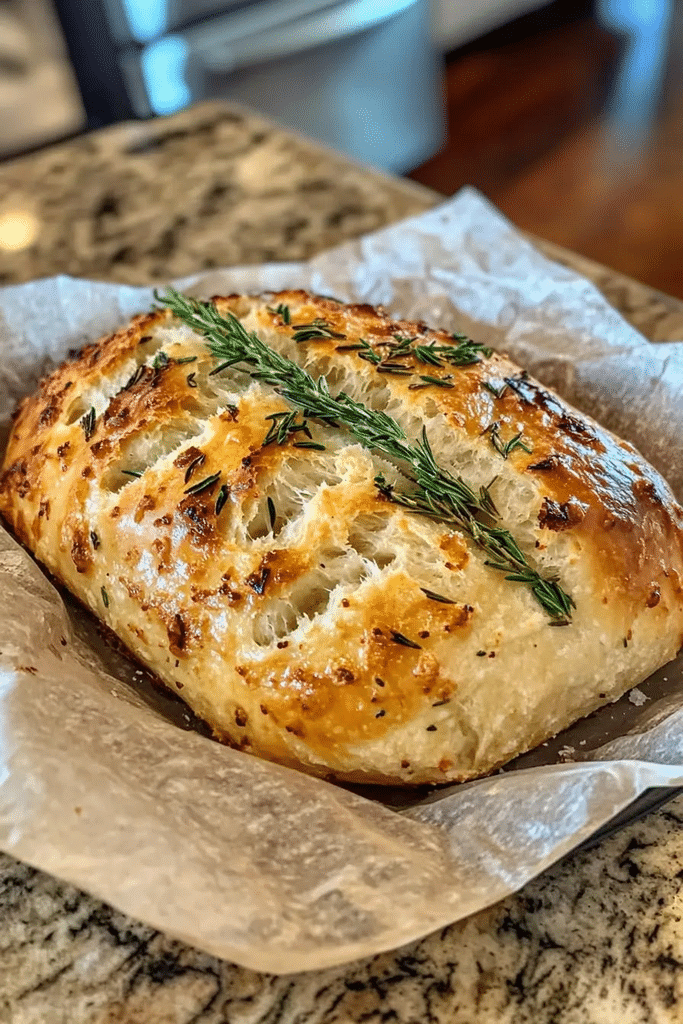
Rosemary and roasted garlic bread offers a deep, savory flavor that feels especially comforting on cool evenings. Roasting garlic softens its sharpness and brings out a mellow, slightly sweet taste that pairs beautifully with fresh rosemary. When incorporated into bread dough, the garlic creates flavorful pockets throughout the loaf, while rosemary adds an earthy fragrance. This bread is delicious served with tomato soup, roasted vegetables, pasta, or a simple plate of olive oil and balsamic vinegar.
Begin by roasting a whole garlic bulb until the cloves are soft and lightly golden. Allow it to cool, then squeeze the softened garlic from the skins and mash it into a paste. Prepare a basic bread dough using flour, yeast, salt, warm water, and olive oil. Knead in the mashed garlic and finely chopped rosemary, distributing them evenly throughout the dough. Allow it to rise until doubled, shape it into a loaf, and let it rise again before baking. If the garlic paste makes the dough slightly softer, avoid adding too much extra flour at once. Bake until the crust is golden and the center is fully cooked. Cool before slicing to preserve the loaf’s structure and texture.
7. Rustic Rosemary Soda Bread
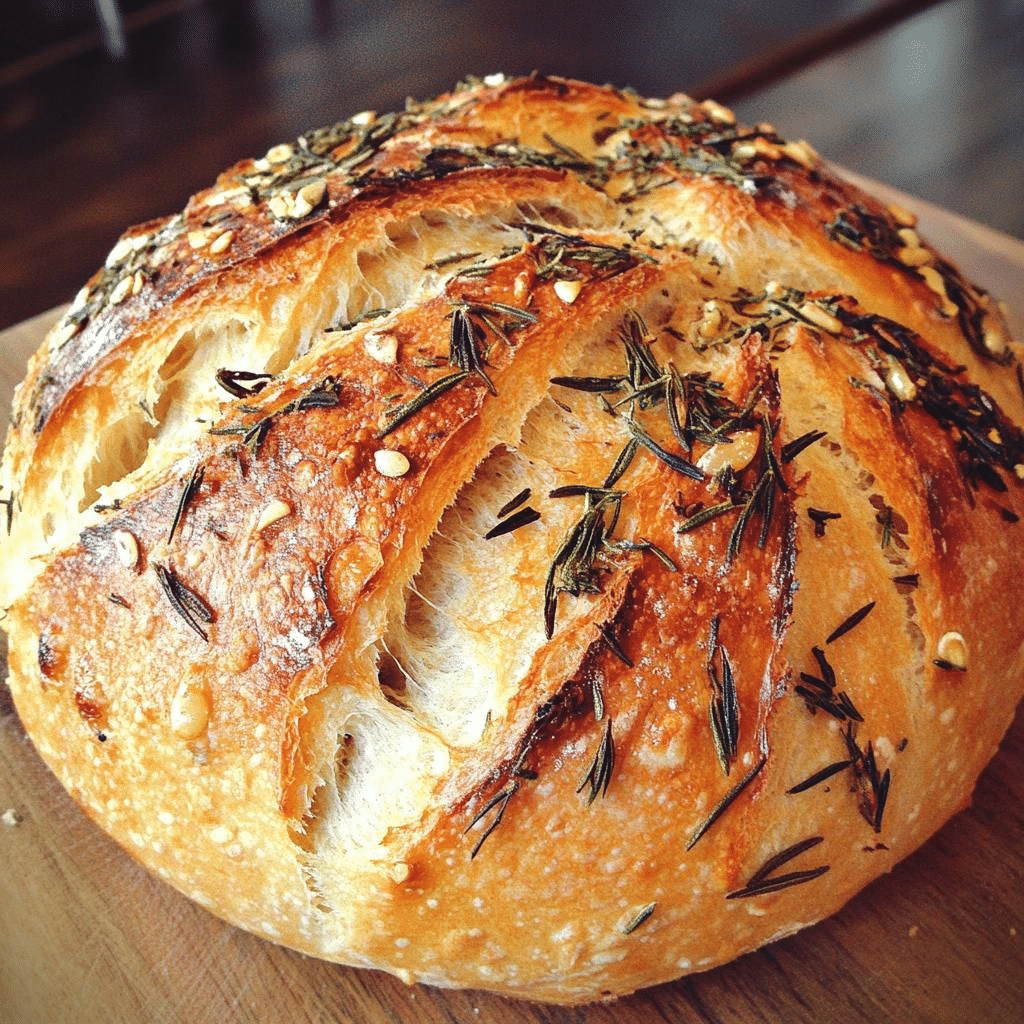
Rustic rosemary soda bread is a practical option when you want homemade bread without waiting for yeast dough to rise. Traditional soda bread uses baking soda as its leavening agent, usually combined with an acidic ingredient such as buttermilk. Fresh rosemary gives this simple bread a savory flavor that pairs well with soups, stews, and roasted vegetables. The loaf generally has a firm crust and a tender, slightly crumbly interior, making it ideal for serving warm with butter.
To prepare it, combine flour, baking soda, salt, and chopped fresh rosemary in a large bowl. Add buttermilk and mix just until a soft dough forms. Avoid overworking the dough, as excessive mixing can make the bread tough. Shape it into a round loaf, place it on a lined baking tray, and score a deep cross on the top to help the center bake evenly. Bake in a preheated oven until the loaf is golden and cooked through. Allow it to rest before cutting so the crumb can settle. If buttermilk is unavailable, use a suitable homemade substitute made with milk and an acidic ingredient, following a reliable recipe. Enjoy the bread fresh on the day it is baked.
8. Rosemary and Sun-Dried Tomato Bread
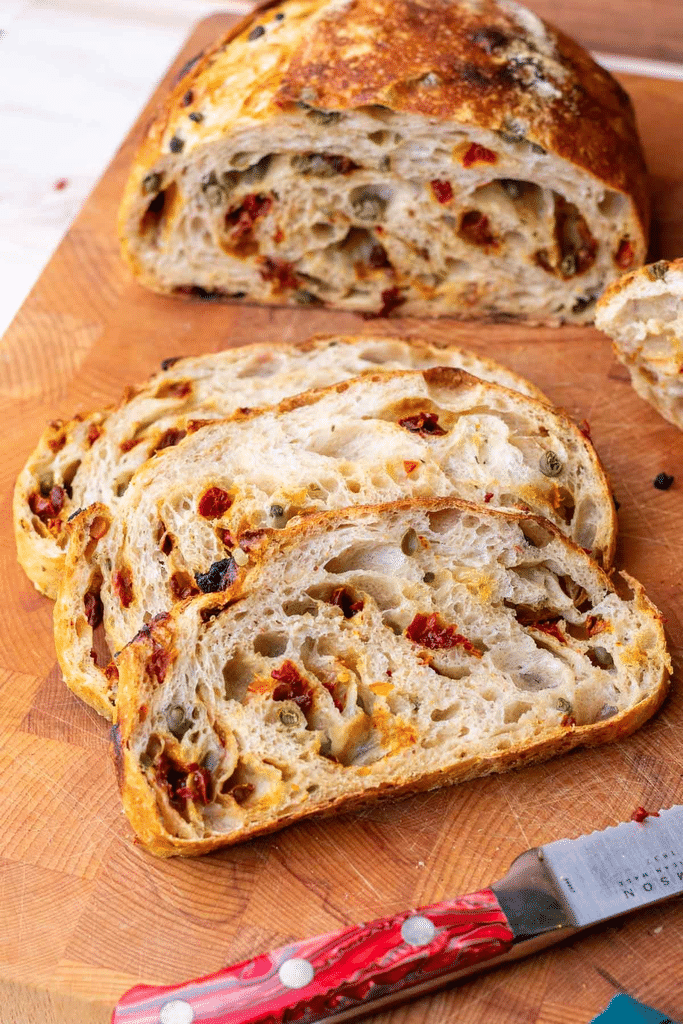
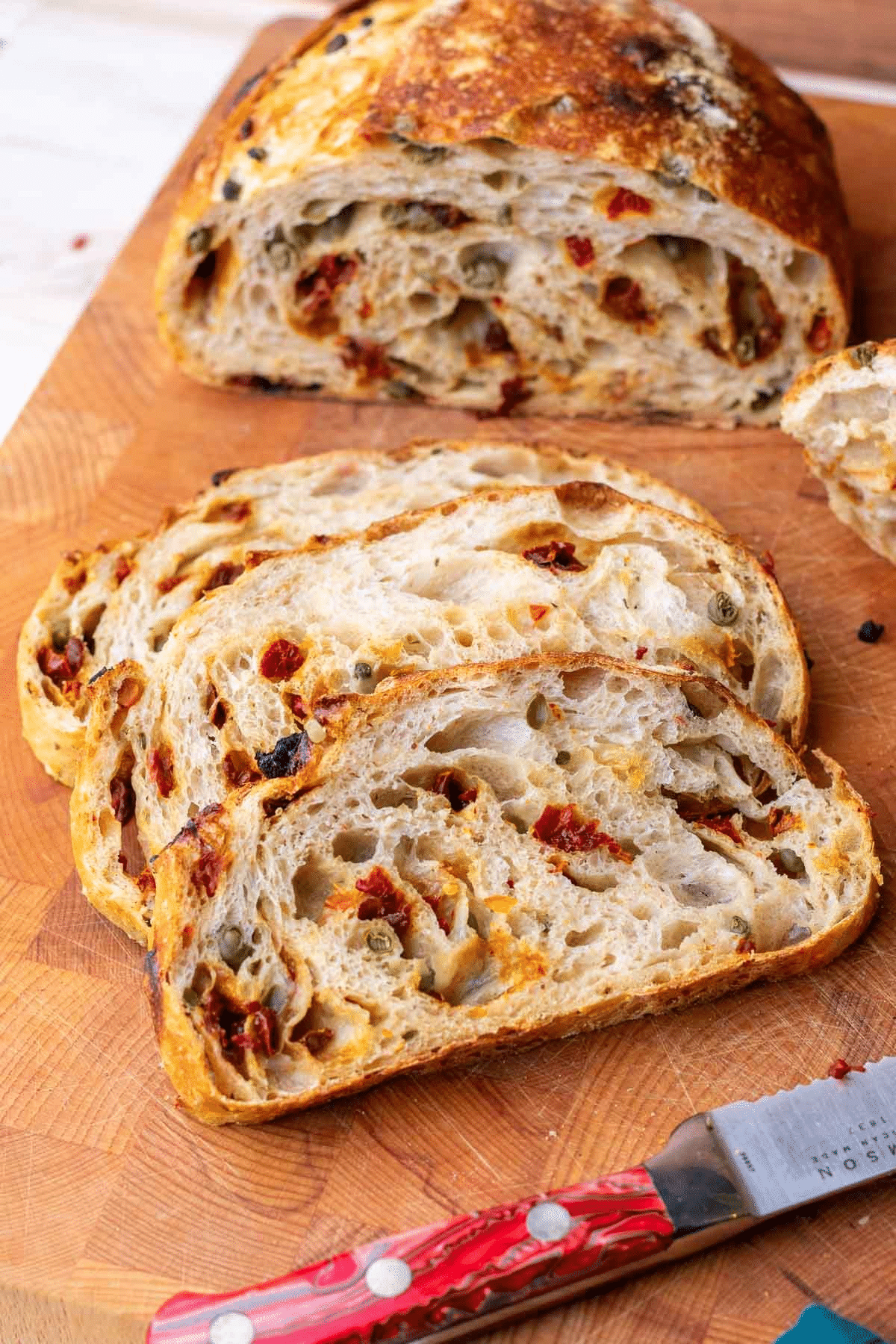
Rosemary and sun-dried tomato bread combines the earthy fragrance of fresh herbs with the rich, tangy flavor of concentrated tomatoes. The tomato pieces add color throughout the loaf, making each slice visually appealing as well as flavorful. This bread works particularly well with Mediterranean-inspired meals, including vegetable soups, pasta, salads, grilled vegetables, and cheese platters. It is also delicious toasted and topped with cream cheese, hummus, or a little olive oil.
Prepare a basic dough with flour, yeast, salt, warm water, and olive oil. Knead until smooth, then incorporate finely chopped sun-dried tomatoes and fresh rosemary. If the tomatoes are packed in oil, drain them well and pat away excess oil before adding them to the dough. Allow the dough to rise until doubled, then shape it into a round or oval loaf. After a second rise, bake in a preheated oven until the crust is golden and the bread is cooked through. Keep an eye on the crust because tomato pieces near the surface may darken more quickly. Let the loaf cool before slicing to help preserve its texture. For extra flavor, serve it with a simple herb-infused olive oil dip.
Summary: Rustic Rosemary Bread Recipes
Rustic rosemary bread is a versatile homemade treat that combines the comforting flavor of freshly baked bread with the fragrance of fresh herbs. From classic artisan loaves and garlic focaccia to hearty whole-wheat bread, cheesy rolls, and sun-dried tomato variations, these eight recipes offer something for different tastes and skill levels. Many rely on affordable pantry staples, so you can experiment with flavors without buying expensive ingredients. For the best results, use fresh rosemary when available, measure ingredients carefully, allow yeast dough enough time to rise, and let baked bread cool before slicing. Serve these breads with soups, salads, pasta, or your favorite savory spreads for a warm and satisfying meal.
Frequently Asked Questions
1. Can I use dried rosemary instead of fresh rosemary?
Yes. Dried rosemary is a convenient alternative when fresh herbs are unavailable. Since dried herbs are more concentrated, use less than you would of fresh rosemary and adjust according to your taste. Crush the dried leaves slightly before adding them to help release their aroma.
2. What foods pair well with rosemary bread?
Rosemary bread pairs well with tomato soup, creamy vegetable soups, pasta, roasted vegetables, salads, grilled meats, and cheese. It is also delicious served warm with butter or olive oil. Garlic and rosemary varieties work especially well alongside Mediterranean-inspired meals.
3. Why is my homemade rosemary bread dense?
Dense bread can result from insufficient rising time, inactive yeast, too much flour, or inadequate kneading. Check that your yeast is active, measure ingredients accurately, and allow the dough to rise until it has expanded sufficiently. Whole-wheat doughs naturally tend to be denser than white bread doughs.
4. How should I store homemade rosemary bread?
Once completely cool, store bread in a suitable bread bag or airtight container at room temperature for a short period. For longer storage, slice the loaf and freeze it in a well-sealed freezer bag. Reheat or toast slices as needed for the best texture.
5. Can beginners make rustic rosemary bread at home?
Absolutely. Simple artisan loaves, rosemary soda bread, and basic focaccia are good starting points. Follow a reliable recipe, measure the ingredients carefully, and avoid rushing the rising or baking stages. Starting with an easy recipe helps you build confidence before trying more elaborate variations.
SEO Description: Discover 8 rustic rosemary bread recipes with fresh herbs, including artisan loaves, garlic focaccia, Parmesan rolls, no-knead olive bread, and savory tomato bread for delicious homemade baking.