
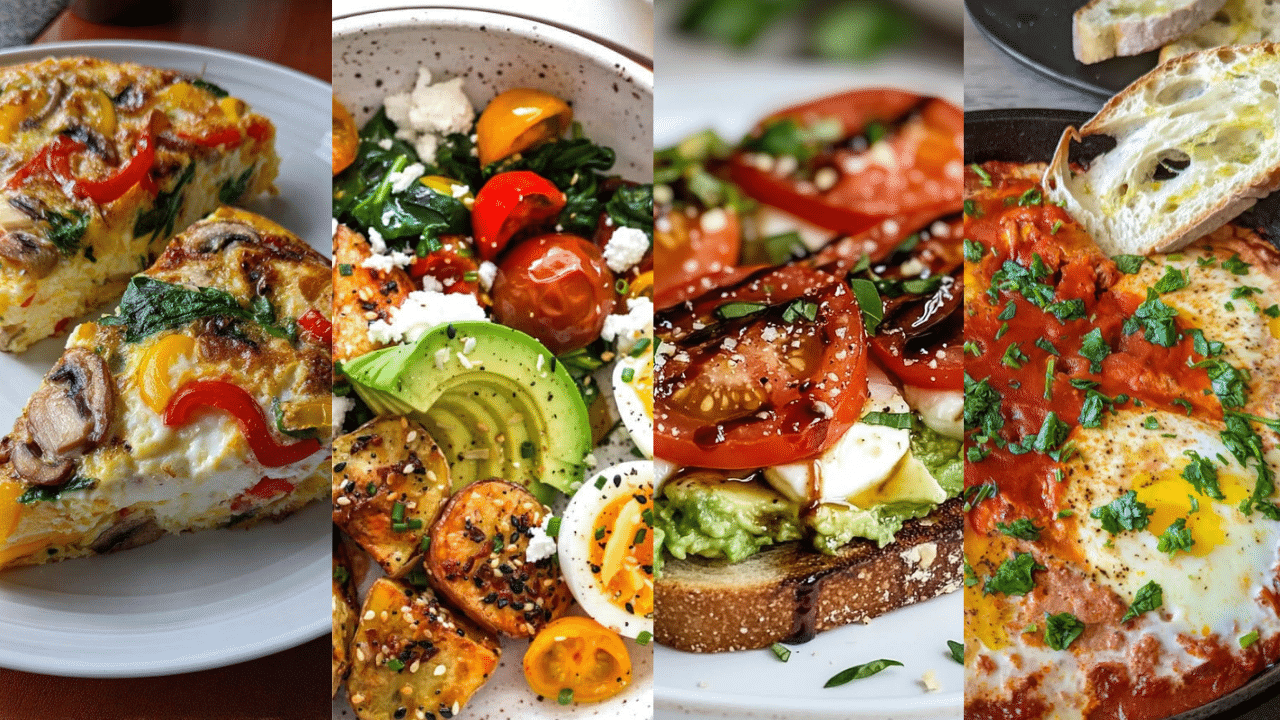
A healthy, high-protein breakfast is a great way to start the day with a satisfying and nourishing meal. Protein helps build and maintain muscles, supports many essential functions in the body, and can help you feel fuller for longer when included as part of a balanced diet. Whether you’re trying to build muscle, manage your appetite, improve your eating habits, or simply find nutritious breakfast ideas, adding protein to your morning routine can make a real difference. Fortunately, you don’t need expensive ingredients or complicated recipes to enjoy a protein-rich breakfast. Everyday foods such as eggs, Greek yogurt, cottage cheese, oats, milk, beans, and nuts can help you prepare delicious meals that fit a variety of tastes and budgets.
The best high-protein breakfasts combine protein with other important nutrients, including fiber, healthy fats, vitamins, and minerals. You can enjoy savory options like veggie omelets and breakfast wraps or choose sweeter meals such as overnight oats, yogurt bowls, and protein pancakes. Preparing a few ingredients ahead of time can also make busy mornings easier, especially when you’re heading to work, school, or the gym. Protein needs vary depending on factors such as age, body size, activity level, and overall health, so there is no single ideal amount for everyone. By choosing a variety of whole and minimally processed foods, you can build a breakfast routine that is enjoyable, convenient, and supportive of your personal nutrition goals.
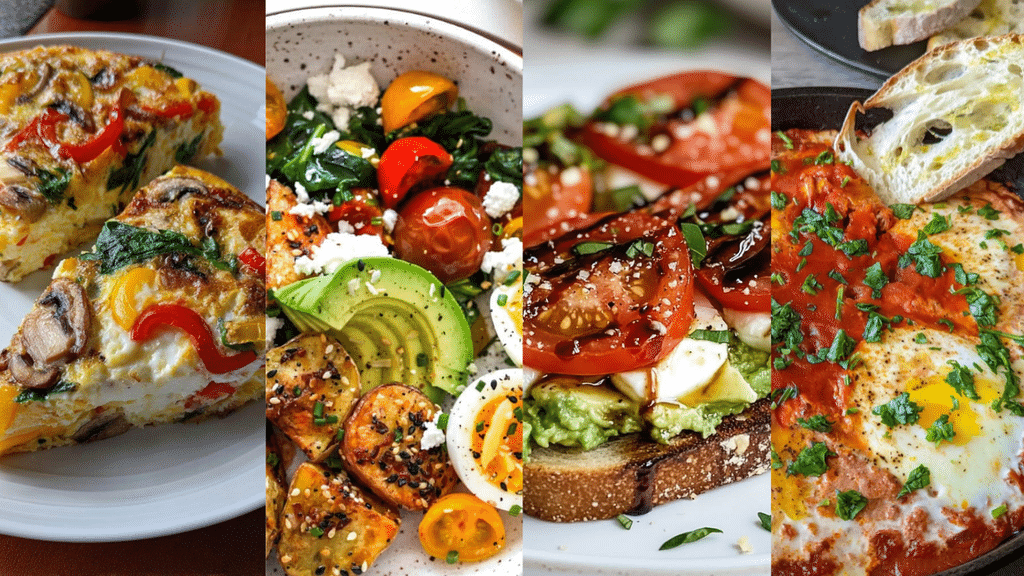
15 Healthy High-Protein Breakfast Recipes
These recipes include quick breakfasts, meal-prep favorites, vegetarian options, and filling savory dishes. Protein estimates are approximate per serving and depend on ingredient brands, portion sizes, and substitutions.

1. Spinach and Egg Breakfast Muffins
Prep: 10 minutes · Cook: 18–22 minutes · Protein: ~18–22 g
These egg muffins are an excellent make-ahead breakfast for busy mornings. Packed with eggs, spinach, and colorful vegetables, they provide protein along with vitamins and minerals. They’re easy to portion and can be reheated when you’re short on time.
Ingredients: 3 eggs, ¼ cup cottage cheese, ½ cup chopped spinach, ¼ cup diced bell pepper, salt, pepper, and a little grated cheese.
How to make it: Preheat the oven to 350°F (175°C). Whisk the eggs and cottage cheese together, then stir in the vegetables and seasonings. Divide the mixture among lightly greased muffin cups and bake for 18–22 minutes, until the centers are set. Let them cool slightly before removing.
Healthy tip: Prepare a batch at the beginning of the week and refrigerate promptly. Add mushrooms, onions, or tomatoes for variety. Serve with whole-grain toast or fruit for a more balanced breakfast. Protein estimates depend on the number of muffins you eat and the size of each serving.

2. Greek Yogurt and Berry Protein Bowl
Prep: 5 minutes · No cooking · Protein: ~20–25 g
A Greek yogurt bowl is one of the easiest ways to enjoy a protein-rich breakfast without turning on the stove. Creamy yogurt pairs beautifully with fresh berries, crunchy nuts, and seeds, providing a mix of protein, fiber, and other nutrients.
Ingredients: 1 cup plain Greek yogurt, ½ cup strawberries or blueberries, 2 tablespoons granola, 1 tablespoon chia seeds, and a few chopped almonds.
How to make it: Spoon the yogurt into a bowl and arrange the berries on top. Sprinkle with granola, chia seeds, and almonds. Add a little cinnamon or a small drizzle of honey if you prefer extra sweetness.
Healthy tip: Choose plain Greek yogurt with a higher protein content and little or no added sugar. You can change the fruit according to the season or use frozen berries that have been thawed. For extra variety, add pumpkin seeds or a spoonful of oats. Check the yogurt label because protein content varies between brands and products.

3. High-Protein Overnight Oats
Prep: 5 minutes · Chill overnight · Protein: ~20–25 g
Overnight oats are perfect for people who need a quick breakfast before work, school, or a morning workout. Preparing them the night before allows the oats to soften in the refrigerator, creating a creamy texture without cooking.
Ingredients: ½ cup rolled oats, ¾ cup milk, ½ cup plain Greek yogurt, 1 tablespoon chia seeds, and sliced banana or berries.
How to make it: Combine the oats, milk, Greek yogurt, and chia seeds in a jar or covered container. Stir well, cover, and refrigerate for at least four hours or overnight. In the morning, mix again and add fruit. If the mixture is too thick, stir in a little more milk.
Healthy tip: Use unsweetened milk and yogurt to control added sugar. Cinnamon, grated apple, or a small spoonful of peanut butter can add flavor. If you want to prepare several servings, keep them refrigerated and follow safe food-storage practices. The protein estimate varies with your choice of milk and yogurt.

4. Cottage Cheese and Avocado Toast
Prep: 5 minutes · Cook: 2–3 minutes · Protein: ~18–22 g
Cottage cheese toast is a simple combination of creamy cheese, crisp whole-grain bread, and fresh avocado. It delivers protein, fiber, and unsaturated fats in a satisfying breakfast that takes only a few minutes to prepare.
Ingredients: 2 slices whole-grain bread, ½ cup cottage cheese, ¼ avocado, cherry tomatoes, black pepper, and lemon juice.
How to make it: Toast the bread until golden. Spread cottage cheese evenly over each slice, then add thinly sliced avocado and halved cherry tomatoes. Finish with black pepper and a squeeze of lemon juice. Add fresh herbs or chili flakes if you like a little extra flavor.
Healthy tip: Choose whole-grain bread for additional fiber and look for cottage cheese with a protein content that suits your needs. If you want an even more filling meal, add a boiled egg or serve the toast with a piece of fruit. Cottage cheese can be high in sodium, so compare labels if you’re monitoring salt intake.

5. Veggie-Packed Protein Omelet
Prep: 8 minutes · Cook: 7 minutes · Protein: ~20–25 g
A vegetable omelet is a classic high-protein breakfast that can be adapted to almost any taste. Eggs provide protein, while vegetables contribute fiber and important micronutrients. Adding cottage cheese or a little feta can increase the protein and make the filling extra creamy.
Ingredients: 2 eggs, ¼ cup cottage cheese, ½ cup chopped spinach, sliced mushrooms, diced tomatoes, and black pepper.
How to make it: Whisk the eggs with the cottage cheese and pepper. Lightly sauté the mushrooms and spinach in a nonstick pan until softened. Pour in the egg mixture and cook over medium-low heat until the bottom begins to set. Fold the omelet and continue cooking until the eggs are fully cooked. Add tomatoes near the end or serve them fresh on the side.
Healthy tip: Use a nonstick pan and a small amount of oil to reduce the need for added fat. Rotate the vegetables according to what you have available, such as onions, peppers, or zucchini. Serve with whole-grain toast for a balanced breakfast.

6. Strawberry Banana Protein Smoothie
Prep: 5 minutes · No cooking · Protein: ~20–30 g
A homemade smoothie is a convenient option when you prefer drinking breakfast or need something easy to take on the go. Greek yogurt and milk provide protein, while fruit adds natural sweetness, flavor, and nutrients.
Ingredients: 1 cup milk, ¾ cup Greek yogurt, ½ banana, ½ cup strawberries, and 2 tablespoons rolled oats.
How to make it: Add the milk, yogurt, banana, strawberries, and oats to a blender. Blend until smooth and creamy. Add a few ice cubes for a colder drink or a little extra milk if the smoothie is too thick. Pour into a glass or reusable bottle and enjoy immediately.
Healthy tip: Use plain yogurt and unsweetened milk to keep added sugar low. For a dairy-free version, choose fortified soy milk and a soy yogurt with a comparable protein content. You can also use frozen fruit for a thicker texture without needing much ice. Remember that a smoothie may be less filling than a meal you chew, depending on its ingredients and portion size.

7. Cottage Cheese Protein Pancakes
Prep: 5 minutes · Cook: 10 minutes · Protein: ~20–25 g
These soft pancakes are a nutritious alternative to traditional pancakes, with cottage cheese and eggs contributing protein. They make a satisfying weekend breakfast and can be served with fresh fruit instead of relying on lots of syrup.
Ingredients: ½ cup cottage cheese, 2 eggs, ½ cup rolled oats or oat flour, ½ teaspoon baking powder, and a pinch of cinnamon.
How to make it: Blend the cottage cheese, eggs, oats, baking powder, and cinnamon until mostly smooth. Let the batter rest for a few minutes. Heat a nonstick pan over medium-low heat and lightly grease it. Spoon small portions of batter into the pan and cook until the edges set. Flip carefully and cook the other side until fully done.
Healthy tip: Smaller pancakes are easier to flip because the batter is softer than conventional pancake batter. Top with Greek yogurt, berries, or sliced banana. If you prefer sweeter pancakes, add mashed banana to the batter instead of extra sugar. Protein amounts will vary with the cottage cheese and oat quantities used.

8. Tofu Scramble With Vegetables
Prep: 8 minutes · Cook: 10 minutes · Protein: ~18–22 g
Tofu scramble is a delicious plant-based alternative to scrambled eggs. Firm tofu supplies protein, while vegetables and spices add flavor, color, and nutrients. It’s suitable for vegetarian and vegan breakfasts when prepared with plant-based ingredients.
Ingredients: 200 g firm tofu, ½ cup chopped spinach, ¼ bell pepper, ¼ onion, ½ teaspoon turmeric, black pepper, and a little olive oil.
How to make it: Drain the tofu and crumble it into small pieces using a fork. Heat a little oil in a pan and cook the onion and bell pepper until softened. Add the tofu, turmeric, and black pepper, then stir-fry for several minutes. Mix in the spinach and cook until wilted and the tofu is heated through.
Healthy tip: Choose firm tofu and check the nutrition label, since protein content varies considerably between types. Add mushrooms, tomatoes, or beans for more variety. Serve with whole-grain toast or a small portion of brown rice. Nutritional yeast can also add a savory flavor if you enjoy it.

9. High-Protein Breakfast Burrito
Prep: 10 minutes · Cook: 8 minutes · Protein: ~22–28 g
A breakfast burrito combines protein, vegetables, and whole grains in one convenient meal. It’s a great choice for busy mornings because you can prepare the filling ahead of time and assemble the wrap when you’re ready to eat.
Ingredients: 2 eggs, ½ cup cooked black beans, 1 whole-wheat tortilla, ¼ cup grated cheese, a handful of spinach, and salsa.
How to make it: Scramble the eggs in a lightly greased pan. Add the spinach and cook until wilted. Warm the black beans separately, then place them on the tortilla with the eggs, cheese, and salsa. Fold in the sides and roll into a burrito. If desired, toast the wrapped burrito briefly in a dry pan for a crisp exterior.
Healthy tip: Choose a whole-wheat tortilla for additional fiber and adjust the cheese and salsa to suit your preferences. For meal prep, refrigerate the cooked filling promptly and assemble the burrito when needed. You can also replace the eggs with tofu for a plant-based variation.

10. High-Protein Chia Pudding
Prep: 5 minutes · Chill: 3 hours or overnight · Protein: ~18–22 g
Chia pudding is a convenient make-ahead breakfast with a creamy texture and plenty of room for customization. Chia seeds provide fiber and plant-based omega-3 fatty acids, while Greek yogurt and milk help increase the protein content.
Ingredients: 2 tablespoons chia seeds, ¾ cup milk, ½ cup Greek yogurt, ½ teaspoon vanilla extract, and ½ cup berries.
How to make it: Whisk the milk, Greek yogurt, chia seeds, and vanilla in a jar. Wait five minutes, stir again to break up any clumps, then cover and refrigerate for at least three hours or overnight. Once thickened, top with fresh berries and serve chilled.
Healthy tip: Adjust the thickness with a splash of milk before serving. Choose unsweetened dairy or fortified soy milk and plain yogurt to keep added sugar low. Chia seeds absorb liquid and swell, so allow them to hydrate fully before eating. Prepare individual jars in advance for easy weekday breakfasts.

11. Smoked Salmon and Cream Cheese Bagel
Prep: 5 minutes · No cooking · Protein: ~20–25 g
This savory breakfast combines protein-rich salmon with a whole-grain bagel and fresh vegetables. It’s a good option for mornings when you want something satisfying but don’t have time to prepare a cooked meal.
Ingredients: 1 whole-grain bagel, 75–85 g smoked salmon, 2 tablespoons cream cheese, cucumber slices, lemon juice, and fresh dill.
How to make it: Slice the bagel and toast it if desired. Spread cream cheese over both halves, then add the smoked salmon and cucumber. Finish with lemon juice, dill, and black pepper. Serve open-faced or sandwich the two halves together for a portable breakfast.
Healthy tip: Smoked salmon can be high in sodium, so compare labels and choose a portion that suits your dietary needs. If you prefer a lower-sodium alternative, use cooked salmon prepared at home. Pregnant people and others advised to avoid refrigerated smoked fish should follow appropriate food-safety guidance and choose a safer alternative.

12. Quinoa Breakfast Bowl
Prep: 5 minutes with cooked quinoa · Cook: 5 minutes · Protein: ~15–20 g
Quinoa is a versatile grain-like seed that provides protein and fiber. Served warm with milk, Greek yogurt, fruit, and seeds, it becomes a comforting alternative to oatmeal that works well for breakfast meal prep.
Ingredients: ¾ cup cooked quinoa, ½ cup milk, ½ cup Greek yogurt, ½ banana, cinnamon, and 1 tablespoon pumpkin seeds.
How to make it: Add the cooked quinoa and milk to a small saucepan and warm gently for several minutes, stirring occasionally. Transfer to a bowl and allow it to cool slightly. Stir in the Greek yogurt, then top with sliced banana, cinnamon, and pumpkin seeds.
Healthy tip: Cook a batch of quinoa in advance and refrigerate it promptly for convenient breakfasts throughout the week. You can also make a savory version with an egg, spinach, and black pepper. Rinse quinoa before cooking if the package instructions recommend it, and adjust toppings according to your appetite and nutritional needs.

13. Savory Lentil Breakfast Pancakes
Prep: 10 minutes plus soaking · Cook: 10 minutes · Protein: ~15–20 g
Lentil pancakes are a filling, savory breakfast option that provides plant-based protein and fiber. They are particularly useful if you want to add more legumes to your diet without relying on meat or dairy at every meal.
Ingredients: ½ cup dry red lentils, water for soaking and blending, ¼ small onion, a handful of chopped spinach, cumin, salt, and a little oil.
How to make it: Rinse the lentils and soak them according to your preferred recipe or package guidance. Drain and blend with enough fresh water to form a thick batter. Stir in the chopped onion, spinach, and cumin. Pour small portions into a lightly oiled nonstick pan and cook over medium heat until the edges set. Flip and cook the other side thoroughly.
Healthy tip: Serve with plain yogurt or a soy-based yogurt alternative for extra protein. Add grated carrots, herbs, or chili for different flavors. If you are short on time, prepare the lentils in advance and refrigerate them safely. Protein content depends on the lentil quantity and final serving size.

14. Peanut Butter and Banana Protein Toast
Prep: 5 minutes · No cooking beyond toasting · Protein: ~12–16 g
Peanut butter and banana toast is an easy breakfast for mornings when you need something quick. Whole-grain bread contributes fiber, peanut butter supplies protein and unsaturated fats, and banana adds natural sweetness and potassium.
Ingredients: 2 slices whole-grain bread, 2 tablespoons peanut butter, 1 small banana, and a sprinkle of chia seeds or cinnamon.
How to make it: Toast the bread until crisp. Spread peanut butter evenly over each slice, then arrange banana slices on top. Finish with cinnamon or chia seeds. Enjoy immediately, or pack the components separately if you need a portable breakfast.
Healthy tip: Choose peanut butter with little or no added sugar and compare labels for salt content. Although this recipe provides some protein, it may contain less than other breakfasts on this list. To increase the protein, serve it with a glass of milk or soy milk, or add a side of plain Greek yogurt. Be mindful of peanut allergies when preparing food for others.

15. Turkey Sausage and Sweet Potato Breakfast Hash
Prep: 10 minutes · Cook: 20–25 minutes · Protein: ~25–30 g
This savory breakfast hash is a hearty option for people who prefer a warm meal in the morning. Lean turkey sausage provides protein, while sweet potatoes contribute carbohydrates, fiber, and beta-carotene. Bell peppers and spinach add color and variety.
Ingredients: 100–120 g lean turkey sausage, 1 small sweet potato, ½ bell pepper, a handful of spinach, 1 teaspoon olive oil, and black pepper.
How to make it: Dice the sweet potato into small cubes. Heat the oil in a skillet and cook the cubes until they begin to soften and brown. Add the turkey sausage and bell pepper, breaking the sausage into small pieces if needed. Cook until the sausage is fully cooked, then stir in the spinach until wilted. Serve hot.
Healthy tip: Choose a lean sausage with a lower sodium content where possible, or substitute cooked chicken or beans. Cut the sweet potato into evenly sized pieces to help it cook faster. You can add a cooked egg if you need more protein, and prepare extra portions for another meal.
Tips for Making High-Protein Breakfasts Healthier
- Include a protein source: Choose eggs, Greek yogurt, cottage cheese, tofu, beans, lentils, milk, or lean meat.
- Add fiber-rich foods: Whole grains, fruit, vegetables, nuts, and seeds can help make breakfast more satisfying.
- Prepare meals in advance: Overnight oats, egg muffins, and pre-portioned yogurt bowls can save time on busy mornings.
- Limit added sugar: Choose plain yogurt, unsweetened milk, and naturally sweet fruit when possible.
- Vary your protein sources: Mix animal and plant-based foods to enjoy a wider range of nutrients and flavors.
- Pay attention to portions: Protein needs vary from person to person, so choose portions that fit your appetite, activity level, and overall dietary needs.
- Keep food safe: Refrigerate prepared meals promptly and reheat leftovers thoroughly.
Summary
These 15 healthy high-protein breakfast recipes offer something for every taste, from creamy overnight oats and fruity yogurt bowls to savory omelets, tofu scrambles, and hearty breakfast burritos. With simple ingredients and a little preparation, you can enjoy nutritious breakfasts that support muscle maintenance, help manage hunger, and fit into a busy lifestyle. The key is to combine protein with fiber-rich foods, healthy fats, and plenty of variety.
Frequently Asked Questions
1. What is the best high-protein breakfast?
Greek yogurt bowls, egg omelets, cottage cheese pancakes, tofu scrambles, and breakfast burritos are excellent options. The best choice depends on your preferences, dietary requirements, and nutritional goals.
2. How much protein should breakfast contain?
There is no single ideal amount for everyone. A breakfast containing around 20–30 grams of protein may be a useful target for some adults, but individual needs vary according to body size, age, activity, and overall diet.
3. Can I eat a high-protein breakfast without eggs?
Yes! Greek yogurt, cottage cheese, tofu, lentils, beans, soy milk, nuts, and seeds can all contribute protein to an egg-free breakfast.
4. What are the quickest high-protein breakfasts?
Greek yogurt bowls, cottage cheese toast, overnight oats prepared the night before, and protein smoothies can usually be assembled in five minutes or less.
5. Are high-protein breakfasts good for weight management?
They can help with fullness and make it easier for some people to manage hunger. However, weight management depends on overall eating patterns, activity, sleep, and other individual factors—not protein intake alone.
6. Can I prepare high-protein breakfasts ahead of time?
Absolutely. Overnight oats, egg muffins, breakfast burrito fillings, and cooked quinoa can be prepared in advance. Store them safely in the refrigerator and follow appropriate food-storage guidelines.
7. What are the best vegetarian high-protein breakfasts?
Try Greek yogurt bowls, cottage cheese pancakes, tofu scramble, lentil pancakes, chia pudding with yogurt, or overnight oats made with milk and Greek yogurt.
8. Is it okay to eat the same high-protein breakfast every day?
It can be, provided the meal fits your nutritional needs. However, rotating different protein sources, fruits, vegetables, and whole grains helps provide a broader range of nutrients and keeps your meals interesting.