

Reinventing your life does not have to mean making a dramatic change overnight. Sometimes, the most meaningful transformation begins with a small decision to try something different, let go of an outdated routine, or finally make time for something you have been putting off. Whether you are in your 20s, 40s, 60s, or beyond, it is never too late to create a life that feels more aligned with who you are today. Your interests, priorities, relationships, and goals can change throughout life, and your lifestyle can change with them.
If you feel stuck, uninspired, or simply ready for a fresh chapter, start by focusing on what you can control. You might change your daily habits, learn a new skill, refresh your surroundings, reconnect with people, or explore an entirely new interest. Reinventing yourself is less about becoming a completely different person and more about giving yourself permission to grow. These eight practical ideas can help you start over with greater confidence, discover new possibilities, and build a life that feels exciting and meaningful at any age.
1. Get Honest About What You Want

One of the first steps to reinventing your life is figuring out what you actually want. It is easy to follow routines, expectations, or goals that once made sense but no longer reflect your current priorities. Take some quiet time to think about what is working in your life and what is not.
Write down the areas you would most like to change, such as your career, relationships, health routines, finances, hobbies, social life, or personal growth. Then ask yourself what you would choose if you were not worried about other people’s opinions.
You do not need to have a perfect five-year plan. Start with a simple question: What would make my everyday life feel better?
Perhaps you want more creativity, freedom, adventure, stability, connection, or relaxation. Identifying these desires gives you a clearer direction. Once you know what matters to you now, you can begin making choices that support your current version of yourself instead of continuing to live according to an outdated plan.
2. Learn Something Completely New
Learning something new is one of the easiest ways to introduce fresh energy into your life. You do not need to return to school or commit to a complicated course. Choose something that genuinely interests you and start at a beginner level.
You could learn photography, cooking, gardening, painting, a new language, digital skills, dancing, sewing, writing, or another creative hobby. Online classes, books, community workshops, and free tutorials make learning accessible at almost any age.
The goal is not necessarily to become an expert. The process itself can help you become more curious and confident. Being a beginner also reminds you that it is perfectly normal not to know everything.
A new skill can eventually become a hobby, side project, career opportunity, or source of social connection. More importantly, it can break up a predictable routine and give you something interesting to look forward to each week.
3. Change Your Daily Routine

Sometimes life feels stuck simply because every day looks exactly the same. A small change in your routine can create a surprisingly strong sense of renewal.
Start by identifying one part of your day that feels repetitive. Instead of scrolling through your phone every morning, try taking a short walk. Prepare a different breakfast, read for 15 minutes, work from a new location, exercise at a different time, or create a relaxing evening ritual.
You do not need to completely redesign your schedule. In fact, making too many changes at once can become overwhelming. Pick one or two habits and give yourself time to adjust.
Changing your routine can also help you notice opportunities you previously overlooked. A new walking route might introduce you to a local café or park. A new hobby night might help you meet people. Even a simple morning routine can change how you approach the rest of the day.
Small changes can create momentum, and momentum can make larger life changes feel much more achievable.
4. Refresh Your Physical Environment

Your surroundings can influence how you feel about your everyday life. If your home feels cluttered, outdated, or disconnected from your personality, refreshing your environment can be a simple way to signal the beginning of a new chapter.
You do not need an expensive renovation. Start with one room, drawer, closet, or corner. Remove things you no longer use, reorganize your belongings, and create space for things that reflect who you are now.
Consider adding a few inexpensive changes such as fresh bedding, plants, artwork, better lighting, new storage solutions, or a comfortable reading corner. You can also rearrange furniture to make a familiar room feel completely different.
The purpose is not to create a picture-perfect home. It is to build an environment where you feel comfortable, inspired, and supported.
A physical reset can also motivate you to make other positive changes. Once your surroundings feel lighter and more intentional, you may find it easier to focus on your goals and imagine what you want your next chapter to look like.
5. Reconnect With Yourself

Life can become so focused on work, family, responsibilities, and other people that you gradually lose touch with your own interests. Reinventing your life gives you an opportunity to reconnect with the person underneath all those responsibilities.
Think about what you enjoyed before life became so busy. Maybe you loved reading, traveling, creating art, listening to music, spending time outdoors, cooking, writing, or simply having long conversations with friends.
You do not necessarily need to return to exactly who you were. Instead, use your past interests as clues about what still brings you happiness.
Try keeping a journal and answering questions such as: What makes me feel energized? What activities make me lose track of time? What do I wish I had more time for? What have I always wanted to try?
Your answers can reveal interests and values that deserve more space in your current life. Reinvention becomes much easier when it is built around your authentic interests rather than someone else’s definition of success.
6. Build a New Social Circle
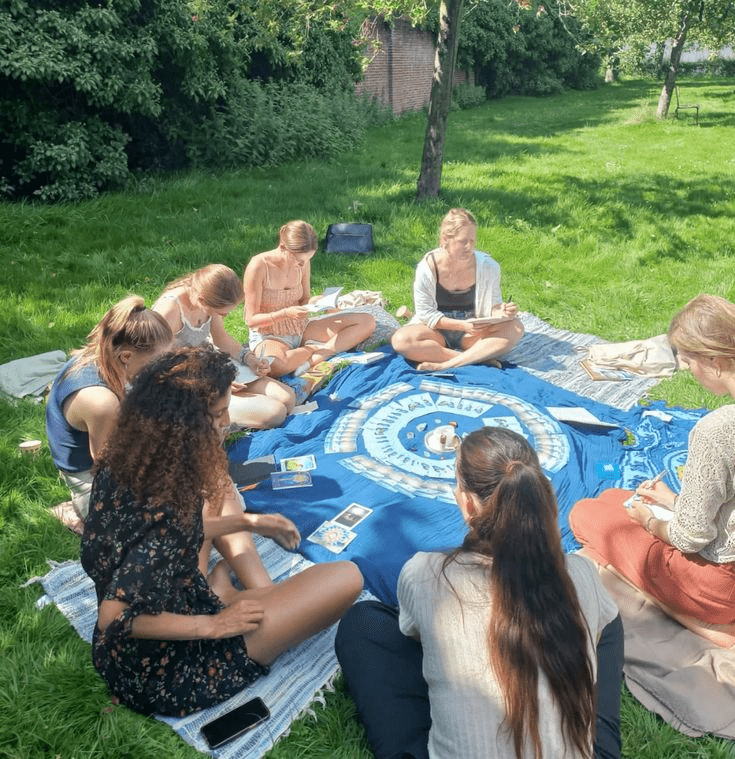
Your relationships can have a major influence on how you see yourself and your future. If your social life has become limited or you feel disconnected from the people around you, intentionally creating new connections can help you feel more engaged with life.
You do not have to abandon longtime friendships. Instead, expand your social world by joining activities that naturally bring people together.
Try a book club, fitness class, volunteer group, creative workshop, community event, professional organization, or local hobby group. These environments make it easier to meet people because you already have a shared interest.
Be open to friendships with people of different ages and backgrounds. Sometimes the most refreshing relationships come from people who introduce you to new perspectives.
Building meaningful connections can take time, so focus on consistency rather than instant results. Attend the same class or group regularly, start conversations, and allow relationships to develop naturally.
A new social circle can bring encouragement, inspiration, laughter, and opportunities you may never have encountered otherwise.
7. Set Goals That Excite You

Goals are easier to pursue when they make you genuinely excited about the future. Instead of creating goals simply because you think you should, choose something that gives you a reason to get up and take action.
Your goal could be personal, professional, creative, financial, or adventurous. You might want to start a small business, travel somewhere new, write a book, improve your home, complete a course, run an event, learn an instrument, or develop a healthier routine.
Break your larger goal into smaller milestones. If you want to travel, for example, start by choosing a destination, creating a budget, and researching possible dates.
Small steps create visible progress and make intimidating goals feel manageable.
Also remember that your goals do not have to impress anyone else. A meaningful goal is one that matters to you. As your priorities change, you are allowed to change your goals too.
The purpose of setting goals is not to prove your worth. It is to create direction and give yourself something meaningful to work toward.
8. Give Yourself Permission to Start Again

Perhaps the most powerful part of reinventing your life is accepting that you are allowed to begin again. You do not need to justify wanting something different simply because you once chose another path.
A career can change. A hobby can become a passion. Your personal style can evolve. Your priorities can shift. You can discover new interests at 30, 50, 70, or any other age.
Try to stop viewing your past choices as wasted time. Every experience can teach you something about what you value, what you enjoy, and what you want to do differently.
Instead of asking, “Why didn’t I do this sooner?” ask, “What can I do now?”
That shift in perspective can make the future feel much more open. You may not be able to change everything about your circumstances, but you can often change the direction you are moving in.
Starting again does not mean erasing your past. It means using what you have learned to create a future that fits who you are becoming.
Short Summary
Reinventing your life at any age begins with small, intentional choices. Get clear about what you want, learn something new, change your routine, refresh your surroundings, reconnect with your interests, expand your social circle, set meaningful goals, and give yourself permission to begin again. You do not need to transform everything at once. A few consistent changes can create new energy and open the door to opportunities you may not have considered before. The best time to create a more fulfilling chapter is not necessarily when everything is perfect—it is when you decide you are ready to take the next step.
Frequently Asked Questions
1. Is it really possible to reinvent your life at any age?
Yes. Reinvention can happen at any stage of life. The changes may look different depending on your circumstances, but learning, exploring new interests, changing routines, and setting new goals are always possible.
2. How do I start reinventing myself?
Begin by identifying one area of life you want to improve. Choose one small action you can take this week rather than trying to change everything at once.
3. What if I do not know what I want?
Give yourself time to explore. Try new activities, journal about your interests, and pay attention to what makes you feel curious, energized, or fulfilled.
4. Is it too late to start a new career?
It is not inherently too late to explore a career change. Consider your skills, experience, finances, responsibilities, and the training you may need before making a major transition.
5. How can I reinvent my life without spending much money?
Focus on low-cost changes such as walking, reading, decluttering, learning from free resources, cooking new recipes, joining community activities, and developing creative hobbies.
6. How long does it take to reinvent your life?
There is no fixed timeline. Some changes can happen quickly, while others may take months or years. Focus on steady progress rather than expecting an immediate transformation.
7. What if people around me do not support my changes?
You do not need everyone to understand your goals immediately. Clearly communicate your intentions, seek supportive people, and make thoughtful decisions based on your own priorities.
8. What is the most important part of reinventing your life?
Start before you feel completely ready. You do not need to have everything figured out. One intentional step can create momentum toward a new chapter.