

Anger is a normal emotion, but when it becomes intense, it can be difficult to think clearly or respond in a way you feel good about later. Whether you’re frustrated by an argument, stressed by work, disappointed by someone, or simply overwhelmed by everything happening at once, taking a pause can help you regain a sense of control. You don’t have to pretend you aren’t angry or immediately force yourself to feel positive. The goal is to give yourself enough space to choose what to do next.
The most helpful calm-down strategies are often simple enough to use in everyday situations. Taking slow breaths, stepping away from an argument, writing down your thoughts, listening to calming music, or going for a short walk can create a valuable pause between feeling angry and reacting. Different techniques work for different people, so experiment with several options and notice which ones help you settle most effectively. Here are 12 anger-management strategies to try when you need to cool down, clear your thoughts, and respond more thoughtfully.
1. Pause Before You Respond
When you’re angry, your first reaction may not always be your best one. Before sending the message, making the comment, or continuing the argument, give yourself a moment to pause.
You don’t need to immediately explain yourself or prove that you’re right. Simply create a little space between the emotion and your response. If you’re in a conversation, you can say that you need a few minutes before continuing.
A pause can prevent an emotionally charged moment from turning into a much bigger conflict. It also gives you time to think about what you actually want to communicate.
Even taking 30 seconds to stop, breathe, and collect your thoughts can make a difference. The objective isn’t to ignore the problem. It’s to approach it when you have more control over how you respond.
2. Take Slow, Deep Breaths
Slow breathing is one of the simplest things you can try when anger starts building. When you notice yourself becoming tense, deliberately slow your breathing and focus your attention on each breath.
Try inhaling slowly through your nose and exhaling gently. Repeat several times while relaxing your shoulders and unclenching your jaw.
You can also count your breaths if your thoughts are racing. Counting gives your mind something simple to focus on instead of replaying the situation that made you angry.
The purpose isn’t to make the emotion disappear instantly. It is to create a small physical and mental pause. Once you feel slightly calmer, you may find it easier to decide whether the situation needs a response right now or whether it can wait.
3. Step Away From the Situation
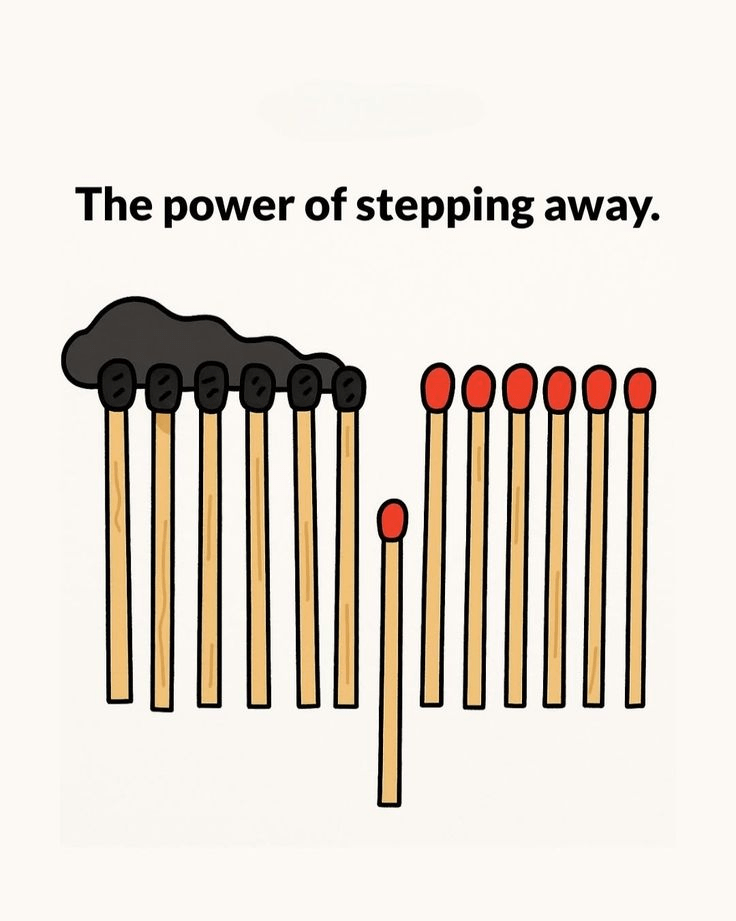
Sometimes the best way to calm down is to physically create some distance from whatever is triggering your anger.
If you’re having an argument, politely ask for some time alone. If you’re frustrated at work, step away from your desk for a few minutes if possible. If you’re overwhelmed at home, move to another room or go outside.
Changing your environment can interrupt the cycle of repeatedly thinking about the same upsetting moment.
This doesn’t mean avoiding the issue permanently. Let the other person know that you intend to return to the conversation when you’re calmer if necessary.
A short break can give both people an opportunity to cool down, making a productive conversation much more likely later.
4. Go for a Short Walk

Physical movement can be a useful way to redirect some of the energy that comes with anger. You don’t need to complete an intense workout. A short walk around your neighborhood, office, garden, or another safe area can be enough to give yourself a change of pace.
While walking, try to pay attention to your surroundings rather than continuing to mentally argue with the person or situation.
Notice the weather, trees, buildings, sounds, or movement around you. This can bring your attention back to the present instead of keeping you trapped in the original moment.
Walking also gives you time to think about what happened without immediately having to act on your emotions. By the time you return, you may have a clearer idea of whether you need to communicate, set a boundary, apologize, or simply let the moment pass.
5. Write Down What You’re Feeling

When anger fills your head with repetitive thoughts, writing can help organize them. Take a piece of paper or open a private notes app and write honestly about what happened.
Don’t worry about making it sound reasonable or polished. Write down what made you angry, what you wanted to say, what you’re afraid might happen, and what you actually need.
You can also separate facts from assumptions. Ask yourself: What actually happened? What am I interpreting? What part of this situation can I control?
You don’t have to share what you write with anyone. The purpose is simply to get the thoughts out of your head and onto something tangible.
Once everything is written down, you may find that the situation looks slightly different from when it was swirling around in your mind.
6. Listen to Calming Music

Music can help change the atmosphere when you’re feeling emotionally overwhelmed. Choose something that helps you slow down rather than something that keeps you focused on your anger.
Soft instrumental music, familiar songs, nature sounds, or a playlist associated with peaceful memories can all work.
Give yourself a few uninterrupted minutes to listen. Put your phone aside if possible and allow the music to become the main thing you’re paying attention to.
If you’re extremely angry, you may initially prefer energetic music. That’s okay too. The important thing is to notice whether your choice helps you settle or keeps you more emotionally activated.
Once you’ve released some of that intensity, transition toward something slower and more relaxing.
7. Drink Some Water and Check Your Basic Needs

Sometimes anger becomes harder to manage when you’re already exhausted, hungry, thirsty, or overwhelmed. Before assuming you need to solve the entire situation, check in with yourself.
Have you eaten recently? Have you had enough water? Are you running on very little sleep? Have you been dealing with stress all day without taking a break?
Grab a glass of water and, if you haven’t eaten, consider having something simple and nourishing. Give yourself a few minutes to sit down.
This won’t necessarily resolve the reason you’re angry, but taking care of basic needs can make it easier to think clearly.
It’s surprisingly easy to mistake general exhaustion or physical discomfort for emotional frustration. A short reset can help you understand what is actually happening.
8. Use a Grounding Exercise

When anger becomes overwhelming, grounding can help bring your attention back to the present moment.
Try noticing five things you can see, four things you can physically feel, three things you can hear, two things you can smell, and one thing you can taste.
You can also hold a cool object, notice your feet against the floor, or slowly describe the room around you.
The point is to shift your attention away from the argument or thoughts that are fueling the emotion.
Grounding can be particularly useful when your mind is racing and you feel unable to concentrate on anything else. Once you’re more present, you can decide what action makes sense instead of reacting purely from the intensity of the moment.
9. Delay Difficult Messages

If you’re angry because of a text, email, comment, or social media interaction, avoid responding immediately.
Write the response if you need to, but save it as a draft rather than sending it. Give yourself time to cool down and read it again later.
Ask yourself whether the message communicates what you actually mean or simply expresses the strongest emotion you’re experiencing at that moment.
Words written while angry can be difficult to take back, especially in situations involving relationships or work.
A delayed response doesn’t mean you’re ignoring the issue. It means you’re choosing to respond when you can communicate more intentionally.
10. Say What You Need Without Attacking
Once you’ve calmed down enough to talk, focus on explaining the situation rather than attacking the other person.
Instead of labeling someone as “selfish,” “rude,” or “impossible,” describe the specific behavior and how it affected you.
Using statements that begin with “I” can help keep the conversation focused on your experience. Explain what happened, why it bothered you, and what you would prefer to happen in the future.
For example, you might say that you felt ignored when plans were changed without discussing them with you.
The goal isn’t to make your feelings smaller. It’s to communicate them in a way that gives the other person a chance to understand what you need.
11. Give Yourself a Change of Focus

When you’re angry, your brain can keep returning to the same situation. Sometimes intentionally doing something completely different can give you the mental break you need.
Clean a small area, take a shower, cook something, read a few pages, work on a hobby, watch something lighthearted, or organize your belongings.
Choose an activity that requires enough attention to occupy your mind without adding more stress.
This isn’t about distracting yourself forever or pretending the problem doesn’t exist. It’s about giving your emotions time to settle before deciding what to do.
After your activity, check in with yourself again. You may discover that the issue still matters, but you’re now able to approach it with a calmer perspective.
12. Give Yourself Time to Cool Down
Not every problem needs to be solved immediately. Sometimes the most useful thing you can do when you’re angry is give yourself time.
Remind yourself that you can revisit the situation later. You don’t have to reach a conclusion while your emotions are at their strongest.
Use the time to rest, breathe, walk, write, or simply sit somewhere quiet.
Once you’re calmer, ask yourself what outcome you actually want. Do you want an apology? A clearer boundary? A solution? A conversation? Or have you realized that the situation isn’t worth continuing to think about?
Giving yourself time doesn’t make you weak or passive. It can be a deliberate choice to respond rather than react.
Short Summary
Anger doesn’t have to control what you say or do next. Simple calm-down strategies can create enough space to think clearly and respond more intentionally. Pause before reacting, breathe slowly, step away, take a walk, write down your feelings, listen to calming music, check your basic needs, try grounding, delay difficult messages, communicate without attacking, change your focus, and give yourself time to cool down. The goal isn’t to eliminate anger completely—it’s to learn how to move through it without allowing one intense moment to determine your next decision.
FAQ
What is the fastest way to calm down when you’re angry?
Try pausing, taking several slow breaths, and stepping away from the situation for a few minutes. A short walk or grounding exercise can also help redirect your attention.
Should I talk to someone while I’m angry?
If you’re extremely angry, it may be better to take some time before having an important conversation. Once you’re calmer, talking can help you understand the situation and communicate your feelings more clearly.
Is it better to walk away when you’re angry?
Taking a temporary break can be helpful when emotions are running high. If you’re in a conflict, communicate that you need some time and plan to return to the conversation when you’re calmer.
How can I stop myself from sending an angry text?
Write the message but don’t send it immediately. Wait until you’ve had time to calm down, then reread it and decide whether it communicates what you actually want to say.
Does deep breathing help with anger?
Slow, deliberate breathing can be a useful relaxation technique when you’re feeling emotionally activated. It can give you a moment to pause and refocus before responding.
What should I do if I keep thinking about what made me angry?
Try writing down what happened, taking a walk, practicing grounding, or doing an activity that requires your attention. These techniques can help interrupt repetitive thoughts.
How can I express anger without hurting someone?
Focus on describing the specific behavior and its effect on you rather than insulting or labeling the other person. Explain what you need and what you’d like to happen differently.
What if my anger feels impossible to control?
If anger frequently feels overwhelming, leads to behavior you regret, or interferes with your relationships or daily life, consider speaking with a qualified mental health professional. Getting support can help you understand your triggers and develop healthier ways to manage intense emotions.