

Healthy boundaries can help you protect your time, attention, personal space, and emotional energy while maintaining respectful relationships with the people around you. Setting boundaries doesn’t mean being cold or unavailable. Instead, it means communicating what you are comfortable with and recognizing that you cannot always meet every request or expectation.
Boundaries can look different depending on your relationships, responsibilities, and circumstances. Some may involve saying no to unnecessary commitments, limiting interruptions, or deciding how you want to communicate during stressful situations. Here are 8 practical boundaries that can help you create more balance and protect your peace.
1. Set a Boundary Around Your Time

Your time is limited, and you don’t have to accept every invitation, request, or obligation.
Try:
- Scheduling regular personal time
- Saying no when your schedule is full
- Avoiding unnecessary commitments
- Leaving space between appointments
- Prioritizing important responsibilities
A full calendar doesn’t always mean you’re making the best use of your time.
2. Learn to Say No Without Overexplaining
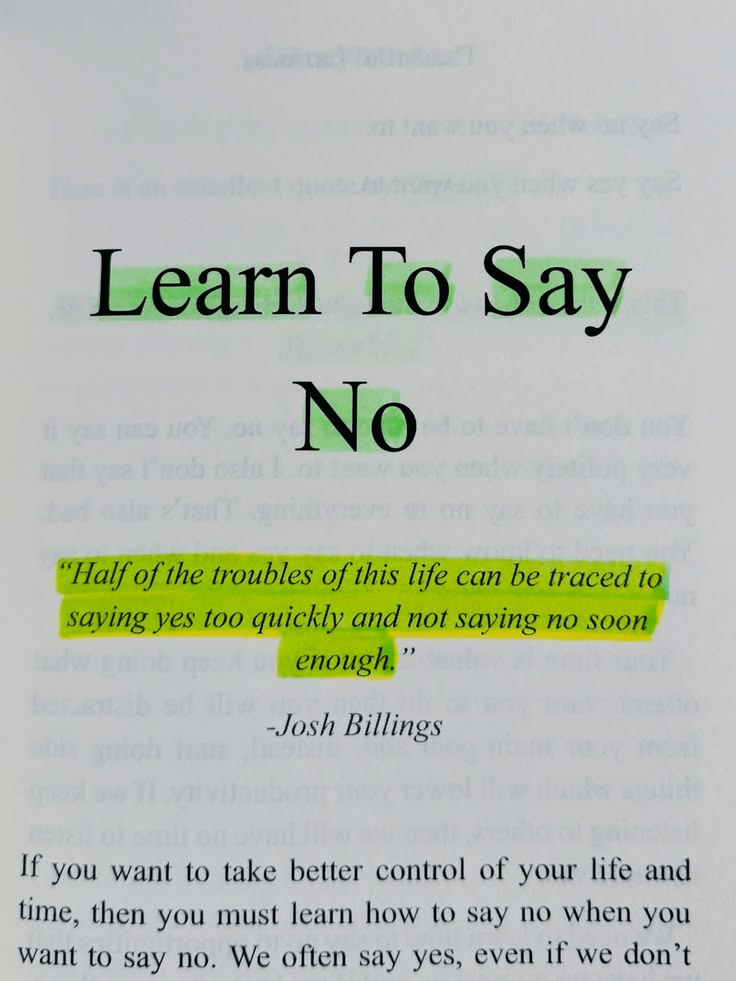
You can decline a request without providing a long justification.
Simple responses include:
- “I can’t commit to that right now.”
- “Thanks for asking, but I’ll pass.”
- “That doesn’t work for me.”
- “I’m not available.”
A respectful no can be enough.
3. Create Digital Boundaries

Constant notifications can make it difficult to disconnect and focus.
Consider:
- Turning off nonessential notifications
- Avoiding work messages during personal hours
- Setting social media limits
- Keeping your phone away during meals
- Choosing specific times to check messages
Digital boundaries can help create clearer separation between online and offline life.
4. Protect Your Personal Space

Everyone has different needs for privacy and personal space.
Let people know when you need uninterrupted time to work, rest, read, or simply be alone.
You might:
- Close your door while working
- Schedule quiet periods
- Use headphones when appropriate
- Create a dedicated relaxation area
- Communicate when you don’t want to be disturbed
5. Decide What Personal Information You Share

You don’t owe everyone access to every detail of your life.
Be intentional about what you share regarding:
- Finances
- Relationships
- Family matters
- Personal plans
- Private conversations
Sharing selectively can help you maintain a healthy sense of privacy.
6. Set Boundaries Around Disrespectful Communication

You can choose not to continue conversations that become insulting, threatening, or unnecessarily hostile.
Try saying:
- “I’m willing to discuss this calmly.”
- “Let’s take a break and talk later.”
- “I won’t continue this conversation if we’re insulting each other.”
Boundaries work best when they’re communicated clearly and followed consistently.
7. Protect Your Rest and Personal Time

Rest is part of maintaining a sustainable routine, not something you always have to earn.
Create boundaries by:
- Establishing a regular bedtime
- Protecting days off
- Limiting unnecessary late-night commitments
- Scheduling breaks
- Avoiding the habit of being constantly available
Give yourself permission to step away when you need time to recharge.
8. Set Boundaries Around Your Emotional Availability

Being supportive doesn’t mean you have to be available for every problem at every moment.
You can say:
- “I care about you, but I don’t have the capacity to talk right now.”
- “Can we discuss this another day?”
- “I can listen for a few minutes, but I need to get back to my responsibilities.”
Being clear about your availability can help prevent resentment and exhaustion.
Summary
Protecting your peace doesn’t require cutting people off or becoming unavailable. Healthy boundaries can simply mean being clearer about your time, communication, privacy, personal space, rest, and emotional availability. Start with one area where you frequently feel stretched too thin, communicate your limit respectfully, and follow through consistently. Boundaries may feel uncomfortable at first, especially if you’re used to saying yes automatically, but they can become easier with practice.
Frequently Asked Questions
What are healthy boundaries?
Healthy boundaries are limits that communicate what you are comfortable with regarding your time, space, privacy, communication, and responsibilities while still respecting other people’s needs.
Why is it difficult to set boundaries?
You may worry about disappointing others, creating conflict, or appearing selfish. With practice, you can learn to communicate limits respectfully without taking responsibility for everyone’s reactions.
How can I start setting boundaries?
Start with one specific situation that repeatedly leaves you feeling overwhelmed. Decide what limit you need and communicate it clearly and calmly.
Do boundaries mean saying no to everything?
No. Boundaries are not about rejecting people or avoiding responsibilities. They’re about making intentional choices about what you can reasonably give.
How do I set boundaries without being rude?
Use direct but respectful language, focus on your needs rather than criticizing the other person, and avoid unnecessary explanations.
What if someone ignores my boundary?
Restate the boundary clearly and decide what action you will take if it continues. A boundary is most effective when you can control and consistently follow through on your own response.
Can boundaries improve relationships?
They can. Clear expectations can reduce misunderstandings, resentment, and unnecessary conflict while making relationships more respectful and predictable.
How long does it take to get comfortable with boundaries?
It varies from person to person. If setting boundaries is new to you, it may initially feel uncomfortable. Repeated practice and consistent communication can make it feel more natural over time.