

Taking a risk doesn’t always mean making a dramatic or reckless decision. Sometimes, it means applying for an opportunity you’re unsure you’ll get, learning a new skill, starting a project, moving outside your comfort zone, or saying yes to an experience that challenges you. Thoughtful risks can open doors that staying with the familiar may never reveal.
Of course, not every risk leads to the desired outcome. The goal is to make informed decisions, consider potential consequences, and accept that uncertainty is part of growth. When approached thoughtfully, taking calculated risks can help you discover new possibilities, develop confidence, and create meaningful changes in your personal and professional life. Here are 10 potential benefits of taking worthwhile risks.
1. You Discover New Opportunities

Stepping outside your usual routine can introduce you to opportunities you might otherwise never encounter.
This could mean:
- Applying for a new position
- Starting a creative project
- Meeting new people
- Trying a different career path
- Exploring an unfamiliar place
You can’t know every possibility available to you if you never give yourself the chance to explore.
2. You Build Self-Confidence

Successfully navigating uncertainty can strengthen your belief in your ability to handle challenges.
Even when a risk doesn’t produce the outcome you hoped for, taking action can teach you that you are capable of making decisions, adapting, and moving forward.
3. You Learn From Failure

Not every risk will work out, but setbacks can provide valuable information.
Ask yourself:
- What went well?
- What could I have done differently?
- What did I learn?
- What would I change next time?
Learning from an unsuccessful attempt can make future decisions more informed.
4. You Become More Comfortable With Uncertainty
Life rarely comes with complete guarantees. Taking thoughtful risks can help you become more comfortable making decisions when the outcome isn’t certain.
Over time, you may become better at evaluating possibilities without allowing fear of the unknown to automatically make the decision for you.
5. You Discover Your Strengths

Challenges can reveal abilities you didn’t realize you had.
You might discover that you’re good at:
- Adapting quickly
- Solving problems
- Communicating
- Leading others
- Learning independently
Sometimes you learn more about yourself by doing something difficult than by simply thinking about it.
6. You Break Out of Your Comfort Zone

Staying comfortable can make life predictable, but it can also limit opportunities for growth.
Trying something unfamiliar can expose you to new experiences, perspectives, and challenges that encourage personal development.
The goal isn’t to constantly feel uncomfortable. Instead, choose challenges that are meaningful and manageable.
7. You Can Create Meaningful Change
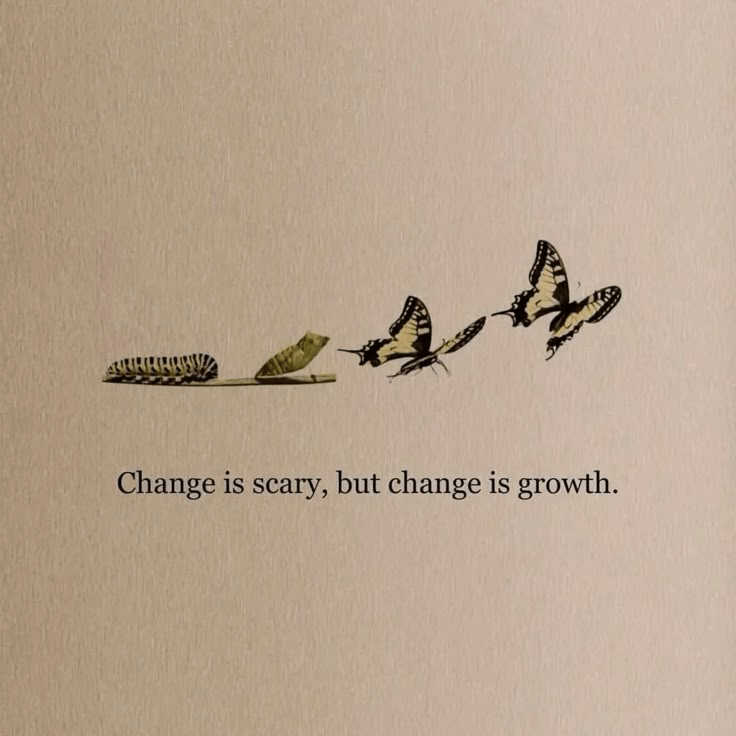
Some of the biggest changes in life begin with a decision to do something differently.
For example:
- Changing careers
- Moving to a new city
- Starting a business
- Returning to education
- Pursuing a creative passion
These choices involve uncertainty, but they can also create opportunities for a new direction.
8. You Develop Better Decision-Making Skills
Taking calculated risks requires you to evaluate information, consider possible outcomes, and decide what level of uncertainty you’re willing to accept.
With experience, you may become better at distinguishing between an impulsive decision and a thoughtful opportunity worth pursuing.
9. You Meet New People and Experience New Perspectives

Trying new activities, joining unfamiliar communities, or traveling somewhere new can introduce you to people with different backgrounds and viewpoints.
These interactions can expand your understanding of the world and sometimes lead to unexpected friendships, collaborations, or opportunities.
10. You Avoid Looking Back With “What If?”

One of the most difficult parts of staying safe all the time can be wondering what might have happened if you had tried.
Not every opportunity deserves a yes, but when a meaningful possibility aligns with your values and you’ve considered the potential consequences, taking the chance may give you greater clarity than never trying.
Summary
Taking risks isn’t about ignoring consequences or making impulsive decisions. The most valuable risks are usually calculated ones: opportunities where you’ve considered the potential benefits, downsides, resources, and alternatives. They can help you build confidence, learn from setbacks, discover strengths, become more comfortable with uncertainty, and open yourself to new experiences. Before taking a major risk, gather information, consider what you can realistically afford to lose, and create a backup plan when possible. Sometimes the biggest step toward change is simply being willing to try.
Frequently Asked Questions
Is taking risks always good?
No. Some risks can have serious consequences, so they should be evaluated carefully. The goal is not to take every opportunity but to make thoughtful decisions about which risks are worthwhile.
What is a calculated risk?
A calculated risk is a decision made after considering potential benefits, drawbacks, probabilities, resources, and possible consequences rather than acting purely on impulse.
How can taking risks build confidence?
Facing uncertainty and successfully navigating challenges can demonstrate that you are capable of adapting and solving problems. Even setbacks can build confidence when you learn from them.
What if the risk doesn’t work out?
Treat the experience as information. Identify what you learned, consider what you could change, and decide whether to adjust your approach or move in another direction.
How do I know whether a risk is worth taking?
Consider your goals, values, potential benefits, possible consequences, financial and emotional resources, and alternatives. Ask yourself what you stand to gain and what you can realistically afford to lose.
Can small risks make a difference?
Absolutely. You don’t have to make a life-changing decision immediately. Starting a new hobby, speaking to someone new, applying for an opportunity, or learning a skill can gradually expand your comfort zone.
How can I take risks without being reckless?
Research the situation, identify potential downsides, set reasonable limits, seek advice when appropriate, and create a backup plan. Avoid decisions where the potential consequences could seriously harm your safety or financial stability.
What is the biggest benefit of taking a meaningful risk?
For many people, it’s the opportunity to discover possibilities that wouldn’t exist without taking action. A thoughtful risk can lead to growth, new experiences, and a clearer understanding of what you want from life.