Finding a hobby you genuinely enjoy can make your free time feel more meaningful. Hobbies give you something to look forward to outside of work, school, family responsibilities, and everyday routines. The best hobbies don’t necessarily need to be expensive, complicated, or impressive. Sometimes the most rewarding ones are simple activities that help you slow down, become more creative, learn something new, or spend time away from your usual screen routine.
If you’ve been wanting to try a new hobby but aren’t sure where to begin, start with something that matches the kind of experience you’re looking for. Maybe you want a relaxing activity that helps you unwind, a creative hobby that lets you make something with your hands, or an active hobby that gets you moving. You might even discover a skill that eventually becomes part of your lifestyle or a small side project. These eight hobbies are worth trying because they offer different ways to spend your time while giving you opportunities to learn, experiment, and enjoy the process without needing to be an expert from the beginning.
1. Gardening
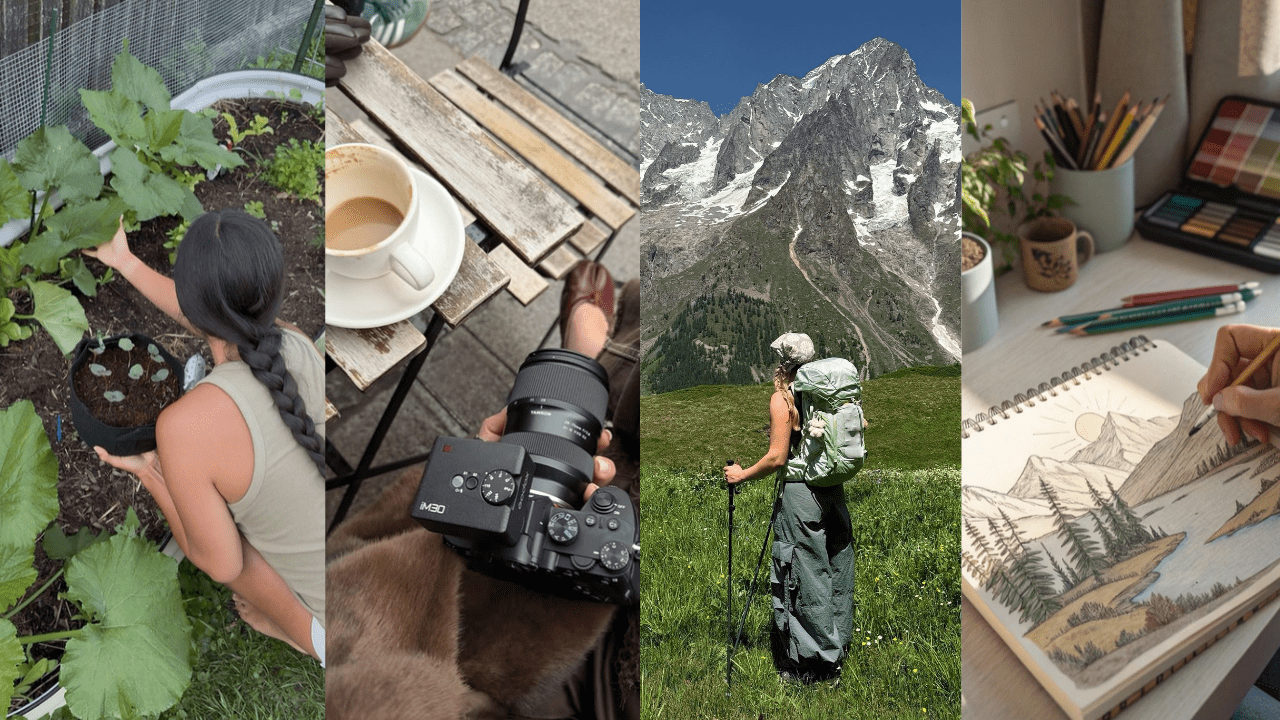
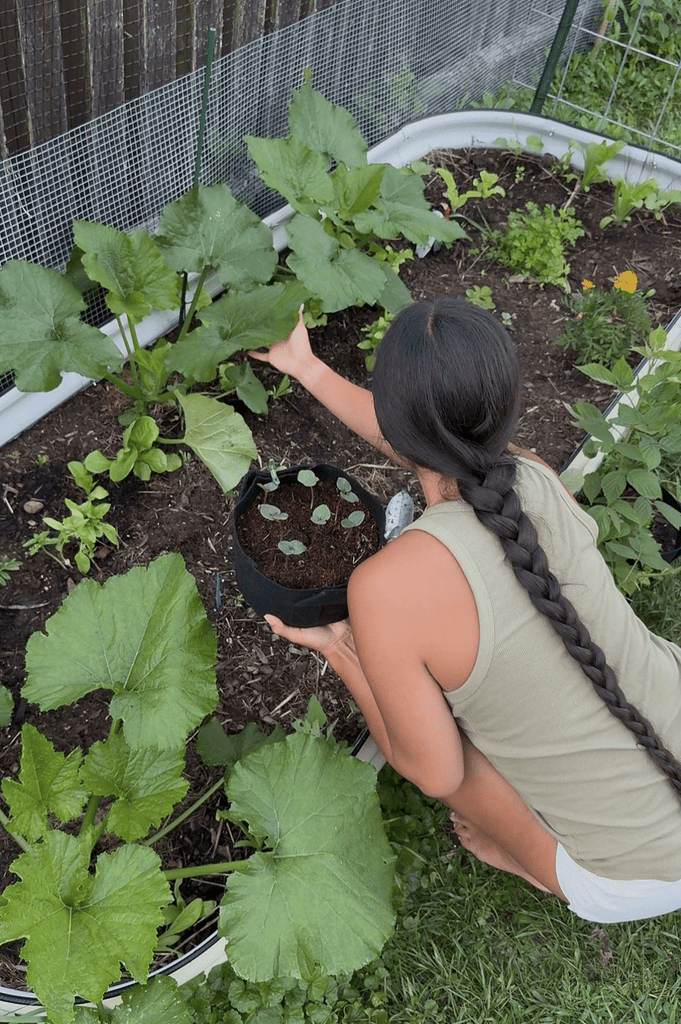
Gardening is a great hobby if you want something that gets you away from your usual routine and gives you a chance to work with your hands. You don’t need a large backyard to get started. A few containers on a balcony, windowsill, patio, or small outdoor space can be enough.
Begin with easy plants such as herbs, leafy greens, flowers, or hardy houseplants. Growing something from a seed or small plant and watching it develop can be surprisingly satisfying.
Gardening can also become a practical hobby. Growing herbs such as basil, mint, parsley, or rosemary gives you something useful to harvest and use in your cooking.
Don’t worry about creating a perfect garden right away. Start with a few plants and learn what they need. You’ll gradually become more comfortable with watering, sunlight, soil, pruning, and seasonal changes.
Gardening is especially rewarding if you enjoy hobbies that have a visible result. Instead of simply finishing a project and putting it away, you get to watch your garden continue changing over time.
2. Photography
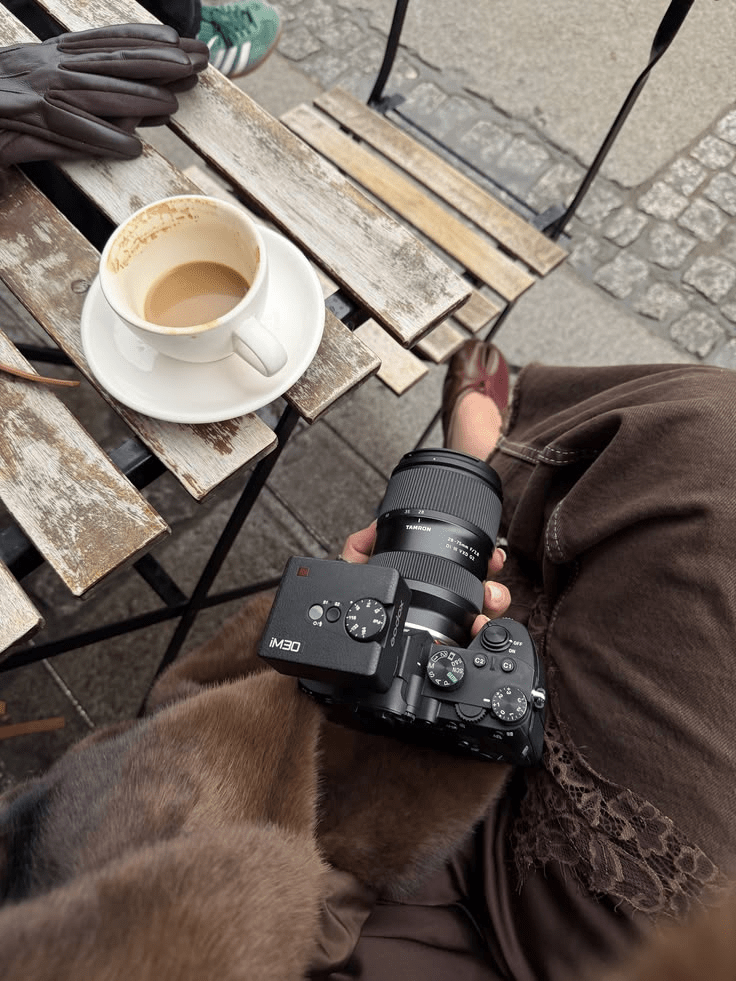
Photography is a hobby worth trying if you enjoy noticing details that you might normally overlook.
You don’t need an expensive camera to begin. Your smartphone can be enough for learning the fundamentals of composition, lighting, angles, and storytelling.
Start by giving yourself simple photography challenges. Photograph the same location at different times of day, capture interesting textures around your home, photograph flowers, or take pictures during a walk.
As you improve, you can learn basic editing and experiment with different photography styles. You might discover that you particularly enjoy food photography, nature photography, portraits, architecture, travel photography, or street scenes.
Photography can also encourage you to explore your surroundings differently. A familiar neighborhood can suddenly become more interesting when you’re looking for colors, patterns, shadows, and unusual details.
The goal doesn’t have to be creating professional photographs. Simply learning to observe the world more carefully can make this hobby worthwhile.
3. Drawing or Sketching
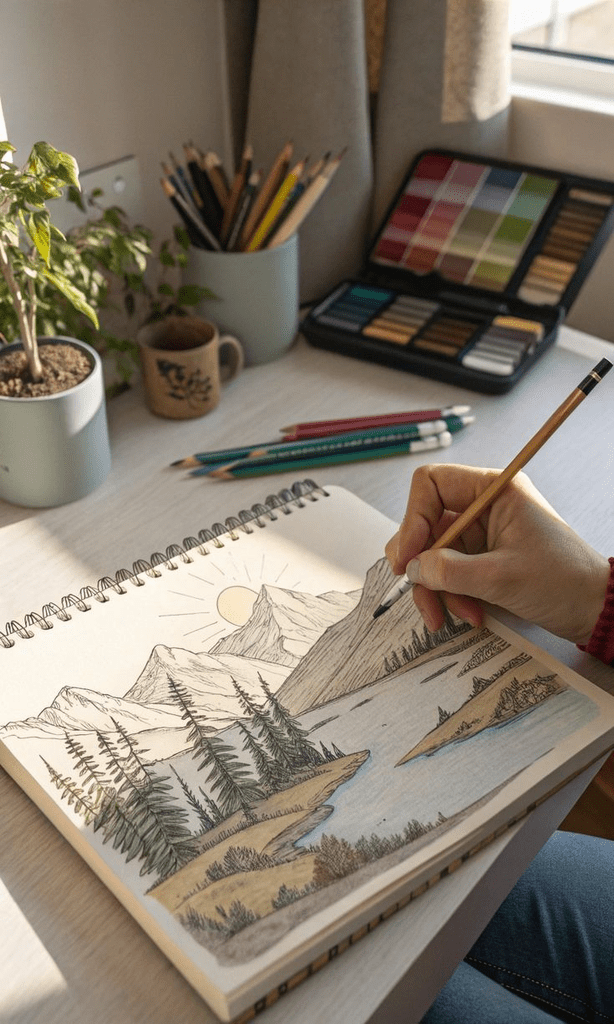
You don’t have to consider yourself artistic to enjoy drawing. Sketching can be a relaxing way to practice observation and creativity without worrying about producing a perfect finished artwork.
All you need to start is a notebook and a pencil. Choose simple subjects such as cups, plants, shoes, buildings, household objects, or landscapes.
Try spending 10 or 15 minutes sketching something each day rather than attempting complicated drawings immediately.
You can eventually experiment with colored pencils, watercolor, charcoal, markers, digital drawing, or other mediums.
One of the best things about sketching is that there is no single correct way to do it. Your style develops naturally as you practice.
If you find yourself becoming frustrated with your drawings, treat them as practice rather than finished artwork. The point is to enjoy the process and gradually improve.
4. Hiking
If you want a hobby that combines movement, exploration, and time outdoors, hiking is worth trying.
You can start with short, beginner-friendly trails rather than immediately choosing a difficult mountain route. A local nature trail, park, forest path, or scenic walking route can provide enough of a challenge to get started.
Hiking can also become a social hobby. Invite a friend or join a local hiking group if you prefer not to explore alone.
Before longer hikes, learn basic trail etiquette and prepare appropriately for the conditions. Comfortable footwear, water, weather-appropriate clothing, snacks, and navigation tools can make the experience much more enjoyable.
You don’t have to measure your success by distance or elevation. A relaxed walk through a beautiful environment can be just as rewarding as a challenging hike.
Over time, you may find yourself wanting to explore new parks, trails, and natural areas.

5. Baking
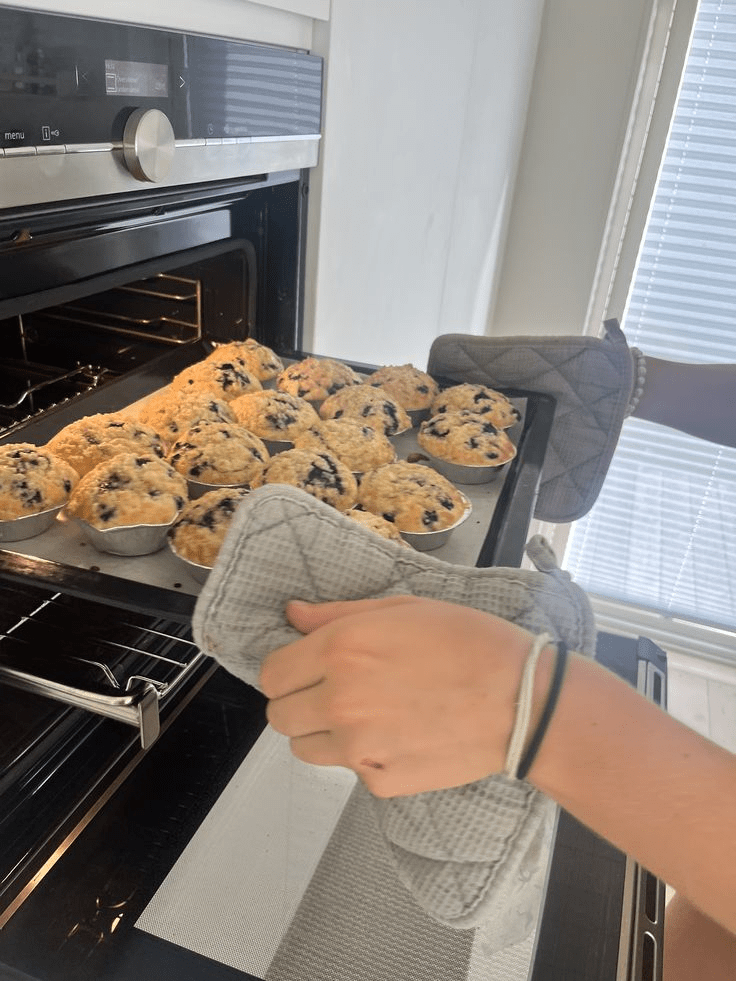
Baking is a hobby that combines creativity with a delicious result.
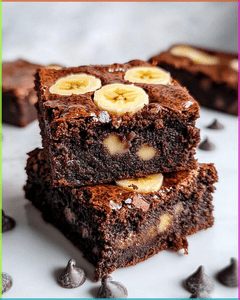
Start with simple recipes such as cookies, banana bread, muffins, brownies, or basic cakes. Once you become comfortable measuring ingredients and following recipes, you can experiment with flavors, decorations, and techniques.
Baking can also teach you useful skills. You’ll learn how ingredients behave, why measurements matter, how different temperatures affect food, and how to troubleshoot recipes that don’t turn out as expected.
Don’t be discouraged by occasional failures. A cake that doesn’t rise or cookies that spread too much can teach you more than a recipe that works perfectly the first time.
As your confidence grows, try homemade bread, pastries, decorated cakes, or international desserts.
One of the nicest parts of baking is that you can share the results. Homemade treats can become gifts for friends, family, neighbors, or coworkers.
6. Journaling
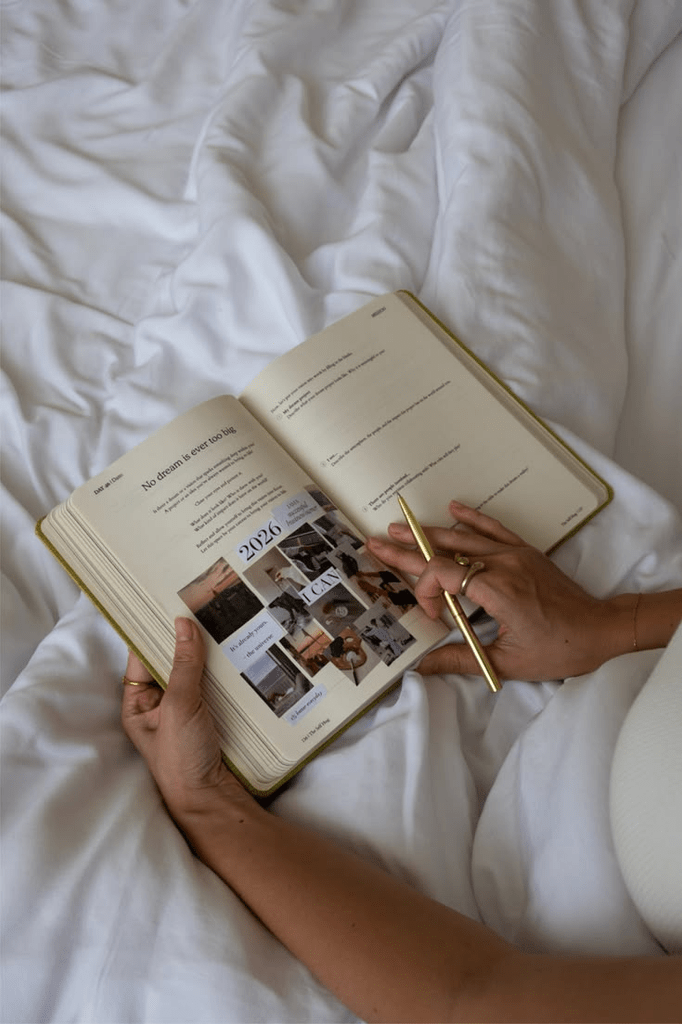
Journaling is a simple hobby that requires very little equipment but can become a meaningful part of your routine.
You can use a traditional notebook, a journal designed for prompts, or a digital document. There is no need to write several pages every day. Even a few sentences can be enough.
Try different approaches to discover what you enjoy. You could keep a gratitude journal, write about your day, record goals, document ideas, track habits, or simply write whatever comes to mind.
If you don’t know what to write, use prompts such as:
- What made me happy today?
- What did I learn?
- What am I looking forward to?
- What would I like to improve?
- What is something I want to remember?
Journaling can also become a creative activity. Add sketches, photographs, stickers, ticket stubs, pressed flowers, or other small memories.
The most important thing is to make it personal rather than trying to create a perfectly decorated journal.
7. Learning a New Language
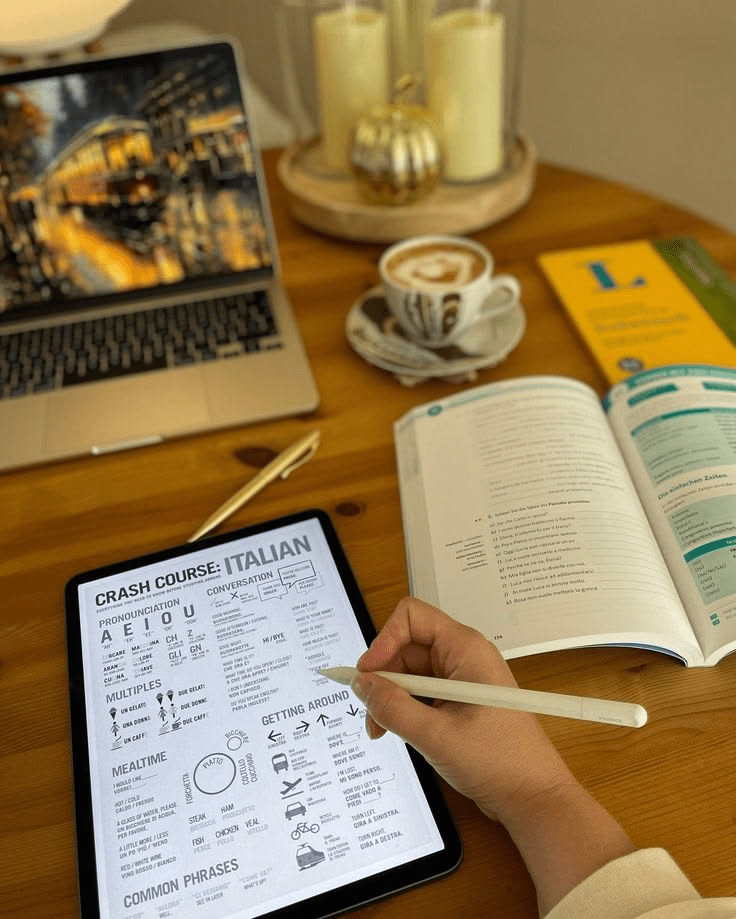
Learning a new language can turn spare time into an ongoing learning project.
You don’t need to aim for fluency immediately. Start by learning everyday phrases, basic vocabulary, pronunciation, and simple sentences.
Choose a language that genuinely interests you. You might want to learn a language connected to your heritage, a country you’d like to visit, a culture you’re interested in, or simply a language you’ve always found appealing.
Make the learning process varied. Listen to music, watch beginner-friendly videos, read simple stories, practice speaking, and use flashcards to reinforce vocabulary.
Set small goals rather than expecting rapid progress. Learning five new words or practicing for 15 minutes can be a worthwhile session.
The longer you continue, the more you’ll notice your ability to understand familiar words and phrases.
A language-learning hobby can also make future travel more enjoyable because you’ll have a greater ability to interact with people and understand local culture.
8. DIY Crafting
DIY crafting is an excellent hobby if you like making tangible things with your hands.
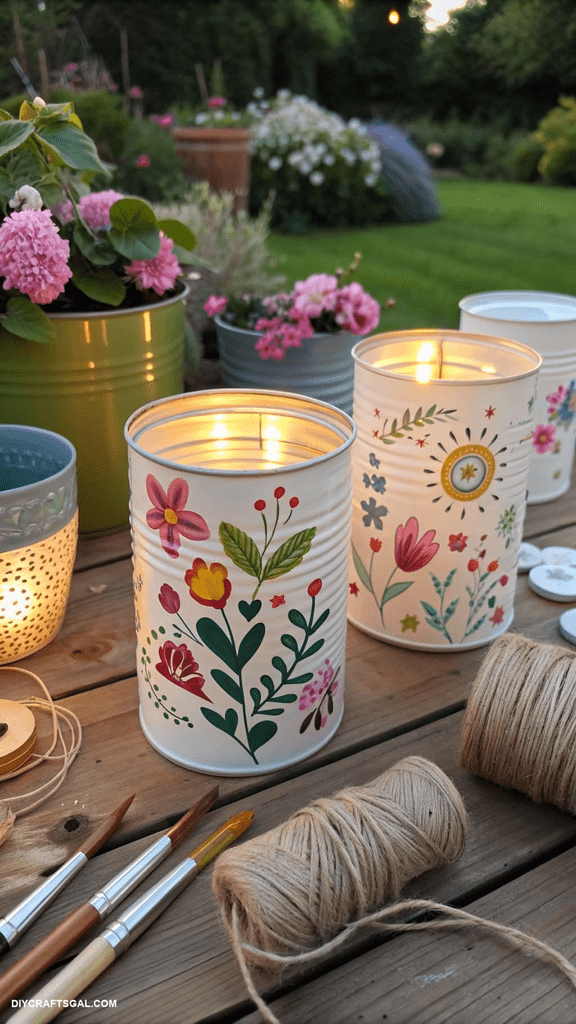
There are countless directions you can take it, including candle making, crochet, painting, paper crafts, jewelry making, embroidery, clay projects, home décor, and handmade gifts.
Start with one type of craft instead of buying supplies for everything at once. Choose a beginner project and learn the basic techniques before investing in more equipment.
DIY crafting can be especially satisfying because you finish with something you can use, display, give away, or potentially turn into a small handmade business later.
You can also make crafting more budget-friendly by repurposing materials you already have at home. Old jars, fabric scraps, cardboard, paper, and unused containers can become useful craft supplies.
Don’t worry about making Pinterest-perfect projects. The real benefit is developing a creative skill and enjoying the process of making something yourself.
Tips for Choosing a Hobby You’ll Actually Enjoy
- Think about your goal: Decide whether you want relaxation, creativity, exercise, learning, or social connection.
- Start cheaply: Try the hobby with basic supplies before investing in expensive equipment.
- Give it several attempts: Don’t decide you dislike something after one imperfect session.
- Start small: Fifteen to thirty minutes can be enough to establish a new hobby.
- Choose something accessible: A hobby you’ll actually have time and space for is easier to maintain.
- Avoid perfectionism: Being a beginner is part of learning.
- Try different styles: Experiment until you find the version of the hobby you enjoy most.
- Join a community: Clubs, classes, and online groups can make hobbies more motivating.
- Keep track of progress: Photos, journal entries, or completed projects can help you see improvement.
- Let your interests change: You don’t have to stick with a hobby forever. Trying something new is part of the fun.
Short Summary
The best hobby is one that fits naturally into your life and gives you something to look forward to. Gardening, photography, sketching, hiking, baking, journaling, learning a language, and DIY crafting each offer a different way to spend your free time while developing new skills.
You don’t need to be talented or experienced to start. Choose one idea that genuinely interests you, begin with the simplest version, and give yourself permission to learn slowly. A hobby doesn’t have to become a side hustle or a major achievement. Sometimes simply having an activity that makes your day more enjoyable is reason enough to keep doing it.
FAQs
1. What are some hobbies worth trying?
Gardening, photography, drawing, hiking, baking, journaling, language learning, and DIY crafts are versatile hobbies that can suit different interests and lifestyles.
2. What is a good hobby for beginners?
Choose something with a low barrier to entry, such as journaling, sketching, photography with a smartphone, baking simple recipes, or container gardening.
3. What hobby can I start at home?
Journaling, baking, drawing, DIY crafting, gardening, photography, and learning a language can all be started at home.
4. What are good hobbies for people who get bored easily?
Creative hobbies with lots of different directions, such as photography, crafting, baking, or learning a language, can provide plenty of variety.
5. How do I find a hobby I actually like?
Think about activities you’ve enjoyed in the past, choose something that matches your interests, and try it several times before deciding whether it’s for you.
6. Can a hobby become a side business?
Some hobbies, including baking, photography, crafting, gardening, and art, can potentially develop into small businesses if you build the necessary skills and follow applicable local requirements.
7. How much time should I spend on a hobby?
There is no required amount. Even 15–30 minutes a few times a week can be enough to enjoy a hobby and gradually improve.
8. Is it okay to have more than one hobby?
Absolutely. Having several hobbies can give you different ways to relax, learn, socialize, or stay creative depending on your mood and available time.