
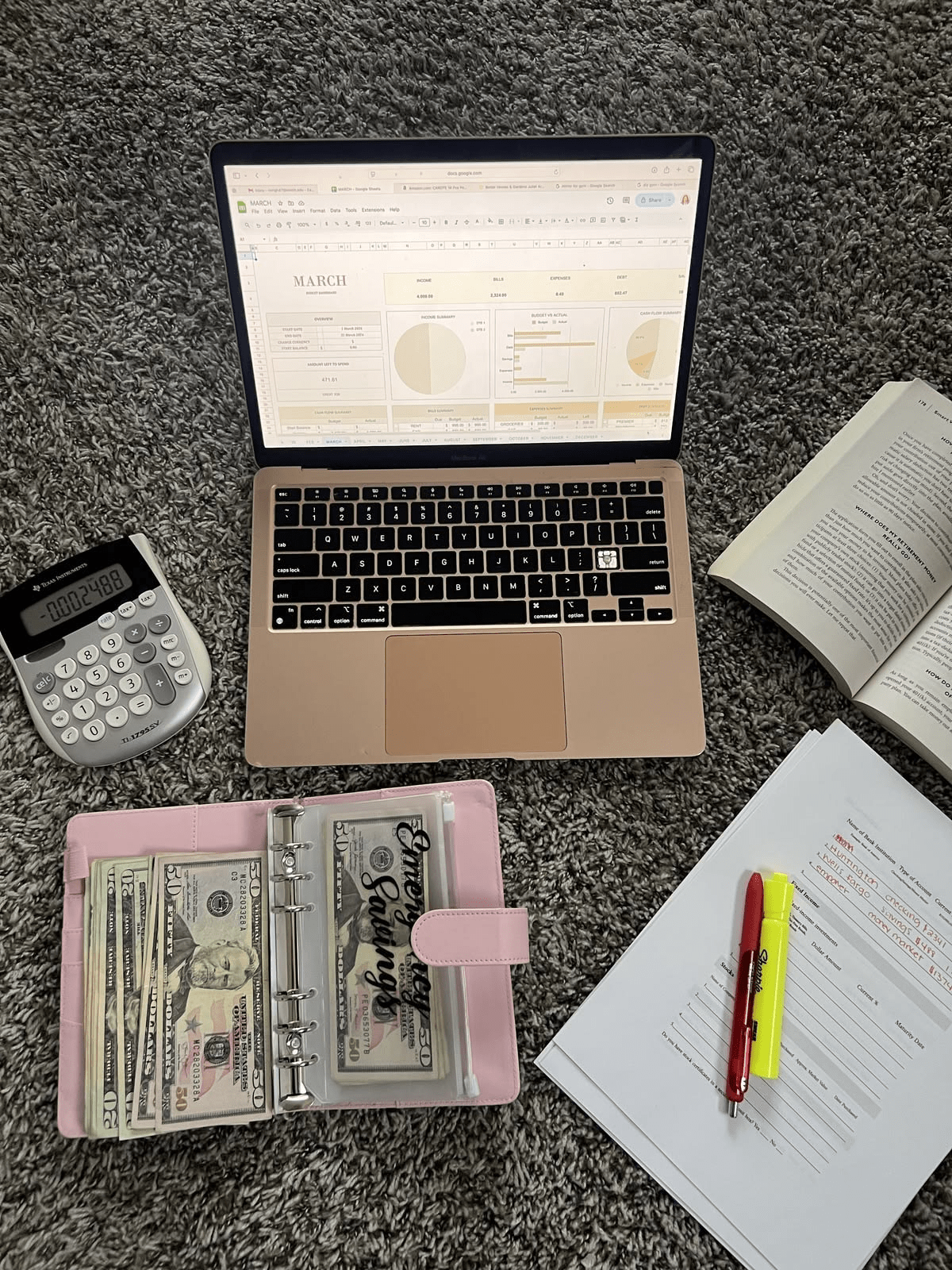
Self-investment is about putting time, energy, attention, and resources into the person you want to become. It does not always mean spending money on courses, expensive experiences, or professional coaching. Some of the most valuable investments can be simple habits that gradually improve your knowledge, confidence, health, relationships, and ability to handle everyday challenges. When you invest in yourself intentionally, you create skills and routines that can continue benefiting you long after the initial effort.
Building a better future also starts with understanding where your current priorities are. You might benefit from learning a new professional skill, improving your financial habits, creating a healthier daily routine, or simply becoming more intentional with your time. The goal is not to transform everything overnight. Instead, choose a few areas that matter most and make consistent improvements. These self-investment ideas can help you create a practical foundation for personal growth while keeping the process realistic and sustainable. Even small actions, repeated regularly, can become meaningful progress over time.
1. Learn a Valuable New Skill

Learning a valuable skill is one of the most practical ways to invest in your future. Skills can improve your career opportunities, increase your confidence, and make everyday life easier. The best skill to learn depends on your personal goals, current experience, and the direction you want your life to take.
Consider skills such as communication, writing, public speaking, digital marketing, graphic design, coding, photography, project management, cooking, budgeting, or a new language. You do not necessarily need an expensive course to begin. Books, online tutorials, libraries, workshops, and free educational resources can provide a starting point.
Choose one skill rather than trying to learn several at once. Set aside a consistent amount of time each week and create small projects that allow you to practice what you learn. For example, if you’re learning graphic design, create sample projects. If you’re learning a language, practice short conversations.
The most valuable part of learning is applying the skill. Practice turns information into experience, which can make your investment much more useful in the long run.
2. Build Better Financial Habits
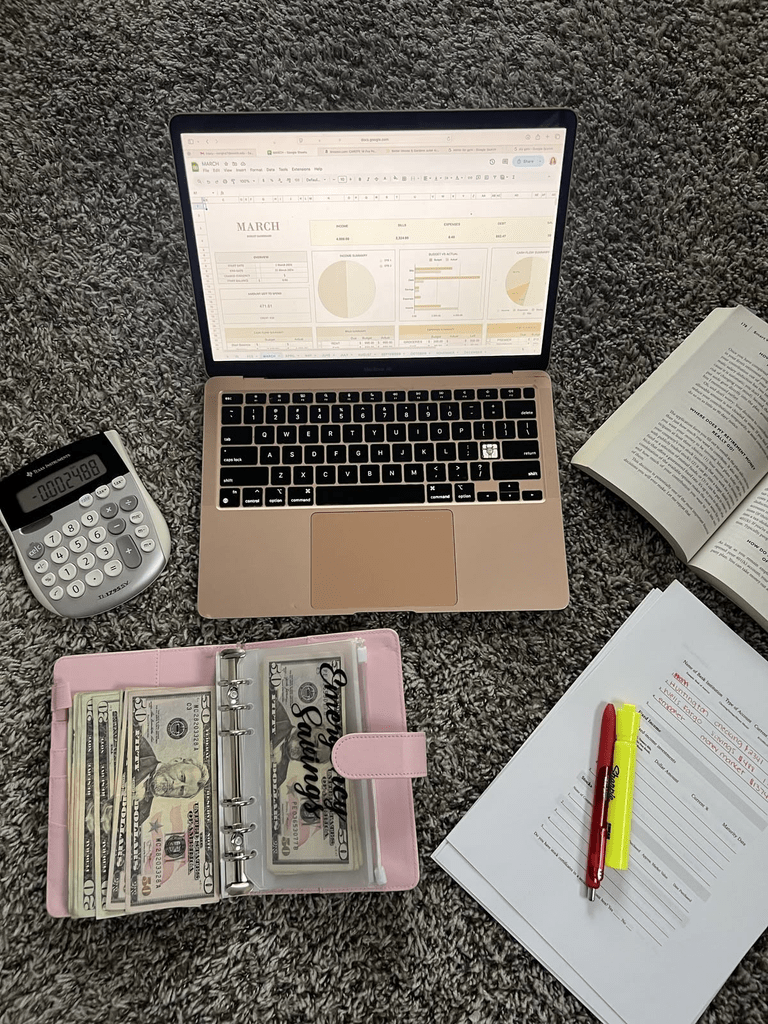
Investing in yourself also means becoming more intentional about your money. Strong financial habits can give you greater flexibility when unexpected expenses arise and help you work toward future goals.
Start by understanding where your money currently goes. Track your regular income and expenses for a month and identify areas where you can make small adjustments. Creating a simple budget can help you prioritize necessities, savings, debt payments, and personal goals.
You can also build habits such as maintaining an emergency fund, avoiding unnecessary high-interest debt, comparing major purchases, and automating regular savings when possible. If you have long-term financial goals, learning basic concepts such as compound growth, diversification, fees, and risk can help you make more informed decisions.
You do not have to completely change your lifestyle to improve your finances. Small, consistent choices can make a meaningful difference over time. The important thing is to create a system that fits your income and circumstances rather than following a financial plan designed for someone else.
3. Prioritize Your Physical Well-Being
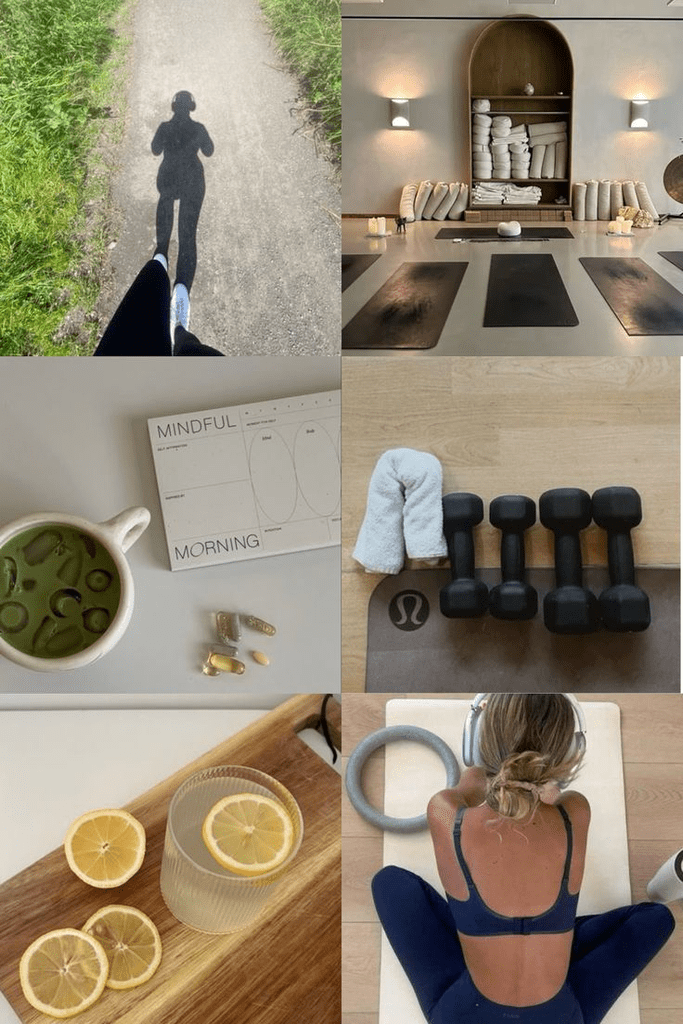
Your physical well-being is an important foundation for everything else you want to accomplish. Investing in it does not require an extreme fitness routine or complicated lifestyle changes.
Focus on sustainable basics such as regular movement, nutritious meals, sufficient sleep, hydration, and time outdoors. Choose activities you genuinely enjoy, whether that means walking, cycling, swimming, dancing, stretching, strength training, or recreational sports.
Your meals can also become an opportunity to invest in yourself. Try incorporating a variety of vegetables, fruits, whole grains, protein sources, and healthy fats into your routine. Learning a few simple recipes can make nutritious eating more convenient.
It can also be useful to schedule routine health and dental appointments rather than waiting until something becomes a major concern. Think of well-being as an ongoing investment rather than a short-term challenge. Small habits that you can maintain consistently are often more practical than dramatic changes that are difficult to sustain.
4. Improve Your Communication Skills

Strong communication can benefit almost every part of life, from professional relationships to friendships and family interactions. Investing time in becoming a clearer and more thoughtful communicator can have long-term value.
Start by practicing active listening. Instead of immediately planning your response, focus on understanding what the other person is saying. Ask thoughtful questions when something is unclear and avoid making assumptions.
You can also practice expressing your own ideas more clearly. Before an important conversation, think about the main point you want to communicate. Use straightforward language and explain your perspective without unnecessarily blaming or criticizing others.
Written communication is equally important. Learning how to write concise emails, professional messages, applications, and explanations can be valuable in many situations.
Reading books, watching presentations, joining discussion groups, or practicing public speaking can help you develop these skills. The goal is not to become perfect at communication. It is to become more confident, clear, respectful, and intentional when expressing yourself.
5. Create a Personal Learning Routine

You do not have to wait for a formal course or major career change to keep learning. Creating a personal learning routine can help you stay curious and gradually expand your knowledge.
Set aside a small amount of time each day or several times a week for learning. You might read a few pages of a book, listen to an educational podcast, watch a tutorial, study an unfamiliar subject, or take notes from a useful article.
Choose topics that connect with your goals and interests. If you’re working toward a career change, prioritize relevant professional knowledge. If you want personal growth, explore psychology, communication, creativity, history, or other subjects that interest you.
Keep a simple list of what you are learning so you can see your progress. You can also summarize new ideas in your own words or teach them to someone else.
A learning routine does not need to take hours. Even 15 to 30 focused minutes can become a meaningful habit when repeated consistently. Over time, small learning sessions can build a broader knowledge base and encourage you to approach new challenges with greater confidence.
6. Invest in Your Relationships

Personal growth is not only about career achievements or individual goals. Healthy relationships can also be an important part of a fulfilling future.
Invest time in people who make your life more positive, supportive, and meaningful. Make an effort to check in with friends and family, spend quality time together, celebrate important moments, and be present during conversations.
Good relationships require more than occasional messages. Listen when people need to talk, offer support when appropriate, and communicate honestly about your own needs and boundaries.
You can also invest in your social life by meeting new people through classes, hobbies, volunteering, community activities, or professional groups. Building connections naturally can introduce you to new perspectives and opportunities.
At the same time, remember that investing in relationships does not mean saying yes to everyone. Healthy boundaries are part of maintaining sustainable relationships. Focus on connections that involve mutual respect, trust, communication, and genuine care.
7. Protect Your Time and Attention

Time is one of the resources you cannot replace, making the way you use it an important form of self-investment. Constant notifications, unnecessary commitments, and endless scrolling can make it difficult to focus on the things that actually matter to you.
Start by identifying where your time goes. For a few days, pay attention to how much time you spend working, resting, using social media, watching entertainment, commuting, and completing everyday tasks.
Then decide what deserves more of your attention. You might create phone-free periods, turn off unnecessary notifications, limit distracting apps, or set specific times for checking messages.
Planning your day around a few important priorities can also make your time feel more intentional. You do not need a rigid schedule. A simple list of three important tasks can be enough.
Protecting your time is not about being productive every minute. Rest, hobbies, relationships, and unstructured time matter too. The goal is to spend more of your limited attention on things that genuinely support the life you want.
8. Build Your Confidence Through Small Challenges
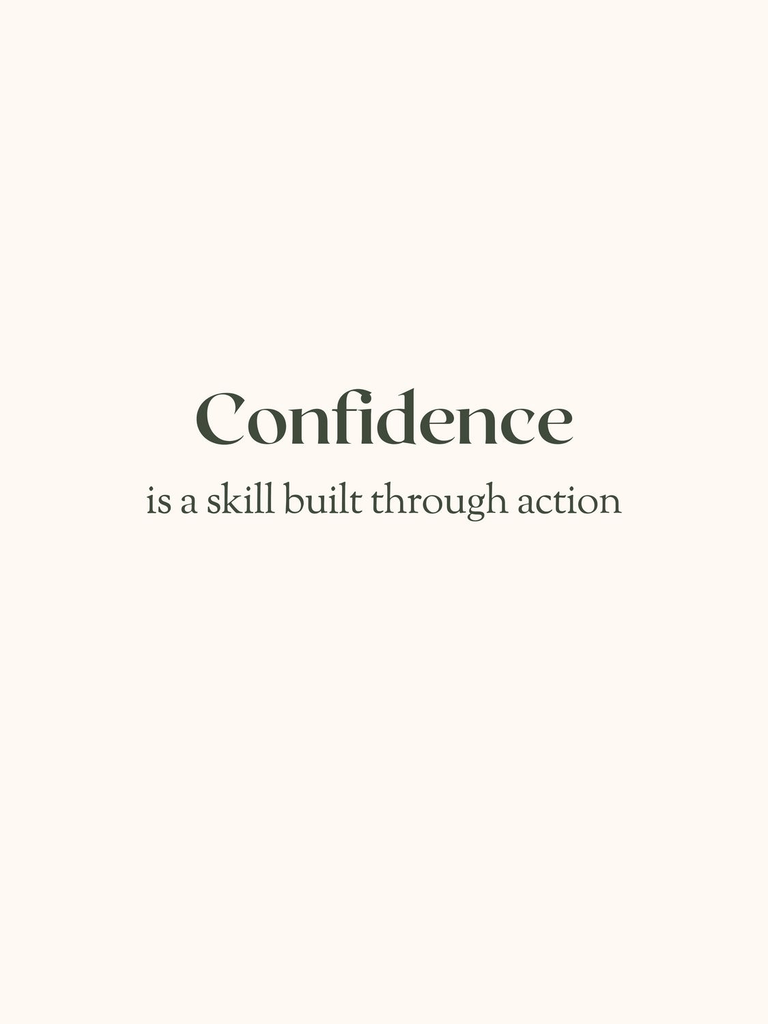
Confidence grows through experience, so one of the best ways to develop it is to regularly do things that stretch your abilities.
Start with challenges that feel slightly outside your comfort zone rather than overwhelming yourself. Speak up during a meeting, try a new class, apply for an opportunity, learn a new skill, attend an event alone, or start a small personal project.
After each challenge, reflect on what you learned rather than focusing only on the outcome. Even when something does not go perfectly, you gain information about what to improve next time.
Keep track of your accomplishments, including small ones. Looking back at your progress can remind you that your abilities are not fixed.
Confidence does not mean believing you will always succeed. It can mean trusting yourself to learn, adapt, and try again when something is difficult. By gradually challenging yourself, you create evidence that you can handle unfamiliar situations and continue moving forward.
9. Create a More Organized Environment

Your surroundings can influence how easy it feels to focus, relax, and complete everyday tasks. Creating a more organized environment is therefore another simple way to invest in yourself.
You do not need to completely redesign your home. Start with one small area, such as your desk, closet, kitchen counter, or bedroom.
Remove items you no longer use, organize things according to how often you need them, and create simple systems that make everyday tasks easier. Keep frequently used items accessible and give important belongings a consistent place.
Digital organization matters too. Clean up unnecessary files, organize your computer folders, unsubscribe from emails you never read, and remove apps that constantly distract you.
A more functional environment can save time and reduce everyday friction. It can also make it easier to maintain good habits. Instead of aiming for a perfectly organized home, focus on creating spaces that support the way you actually live.
10. Set Long-Term Goals and Review Them

Investing in your future becomes easier when you have a clear idea of what you are working toward. Long-term goals can provide direction while smaller goals help turn that vision into action.
Think about where you would like to be in the next year, three years, or five years. Consider different areas such as career, finances, education, relationships, travel, creativity, and lifestyle.
Once you have identified your priorities, break large goals into smaller actions. Instead of saying, “I want to improve my career,” identify specific steps such as completing a course, updating your portfolio, networking regularly, or applying for suitable opportunities.
Review your goals periodically because your priorities can change. A goal that made sense last year may no longer fit your current circumstances.
The purpose of goal-setting is not to create pressure. It is to give your effort direction. When you regularly review where you are going and what you have accomplished, it becomes easier to make intentional decisions about your time and energy.
Summary
Self-investment is ultimately about building a stronger foundation for the life you want. Learning useful skills, improving financial habits, caring for your well-being, protecting your time, strengthening relationships, and setting meaningful goals can all contribute to long-term personal growth.
You do not need to tackle all ten ideas at once. Choose one or two areas that feel most important right now and start with a small, manageable action. Consistent progress is often more sustainable than trying to completely reinvent yourself overnight. The time and effort you put into yourself today can help create more choices, confidence, and opportunities for the future.
FAQ
What does it mean to invest in yourself?
Self-investment means dedicating time, energy, money, or attention toward improving your skills, well-being, knowledge, relationships, finances, or future opportunities.
What is the best way to start investing in yourself?
Start with one area that matters most to you. Choose a small action, such as reading regularly, learning a skill, creating a budget, or improving your daily routine.
Does self-investment always require money?
No. Many valuable forms of self-investment are free or inexpensive, including reading, exercising, practicing communication, organizing your time, and building healthy habits.
How can learning a new skill improve my future?
A useful skill can expand your knowledge, increase confidence, create professional opportunities, and give you more flexibility when pursuing personal or career goals.
How can I invest in myself financially?
Start by understanding your spending, creating a realistic budget, building savings where possible, managing debt responsibly, and learning basic personal finance concepts.
How much time should I spend on personal development?
There is no universal amount. Even 15 to 30 focused minutes several times a week can become useful when you maintain the habit consistently.
Why are relationships considered an investment?
Supportive relationships can provide connection, encouragement, perspective, and shared experiences. Investing in them can contribute to a more balanced and meaningful life.
How do I stay consistent with self-improvement?
Keep your goals small and specific, connect them to your priorities, track your progress, and review your routine regularly. Focus on consistency rather than perfection.