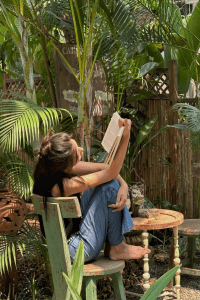

Slow living is often associated with simplicity, mindfulness, and intentional choices—but it can also be a practical way to save money. By focusing on experiences, reducing unnecessary spending, and making better use of what you already have, you can create a calmer lifestyle without a large budget.
Living slowly does not require expensive products or major lifestyle changes. Small habits like cooking at home, enjoying free activities, and being more mindful about purchases can help you spend less while creating more meaningful daily moments. Here are 8 budget-friendly slow living ideas that can help you save money and enjoy a more intentional lifestyle.
1. Cook Simple Homemade Meals

Preparing your own meals is one of the easiest ways to practice slow living while reducing food expenses.
Try:
- Planning weekly meals
- Cooking seasonal recipes
- Making homemade snacks
- Preparing meals in batches
Benefits:
- Saves money
- Encourages healthier choices
- Creates a relaxing kitchen routine
2. Enjoy Free Outdoor Activities
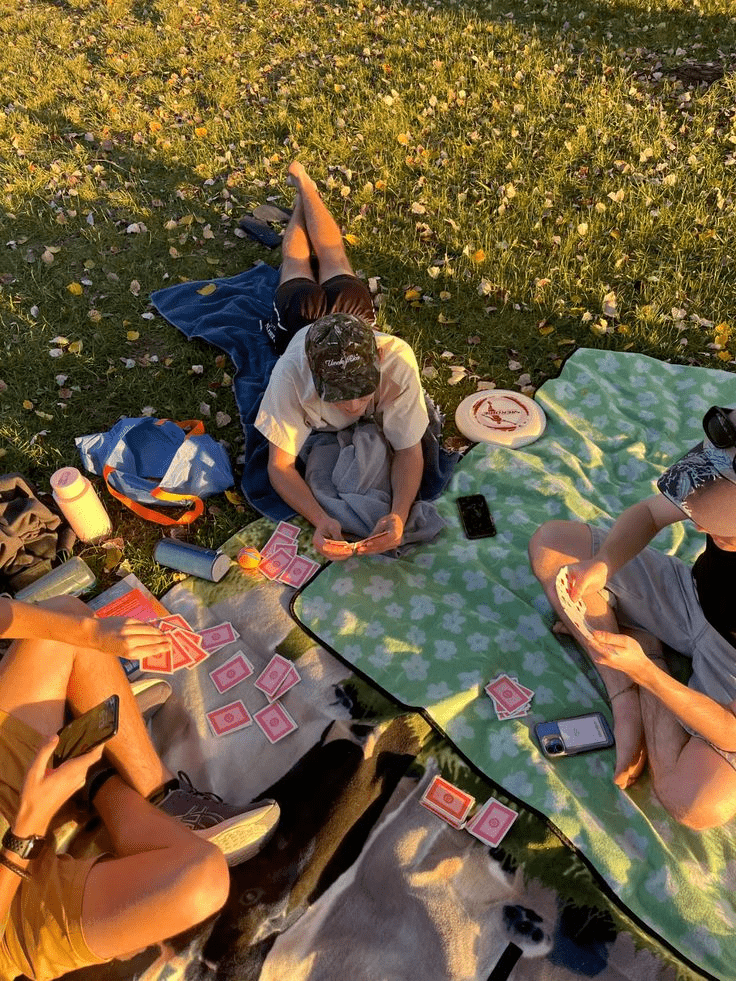
Nature provides countless opportunities for relaxation without spending money.
Ideas:
- Take a walk in a park
- Have a picnic
- Watch the sunset
- Explore local trails
- Garden at home
Spending time outdoors can become a meaningful part of a slow living routine.
3. Shop Less and Choose Carefully

Slow living encourages mindful consumption instead of frequent impulse purchases.
Before buying, ask:
- Do I truly need this?
- Will I use it often?
- Does it add value to my life?
Buying fewer but more meaningful items can save money over time.
4. Create a Cozy Home with What You Have
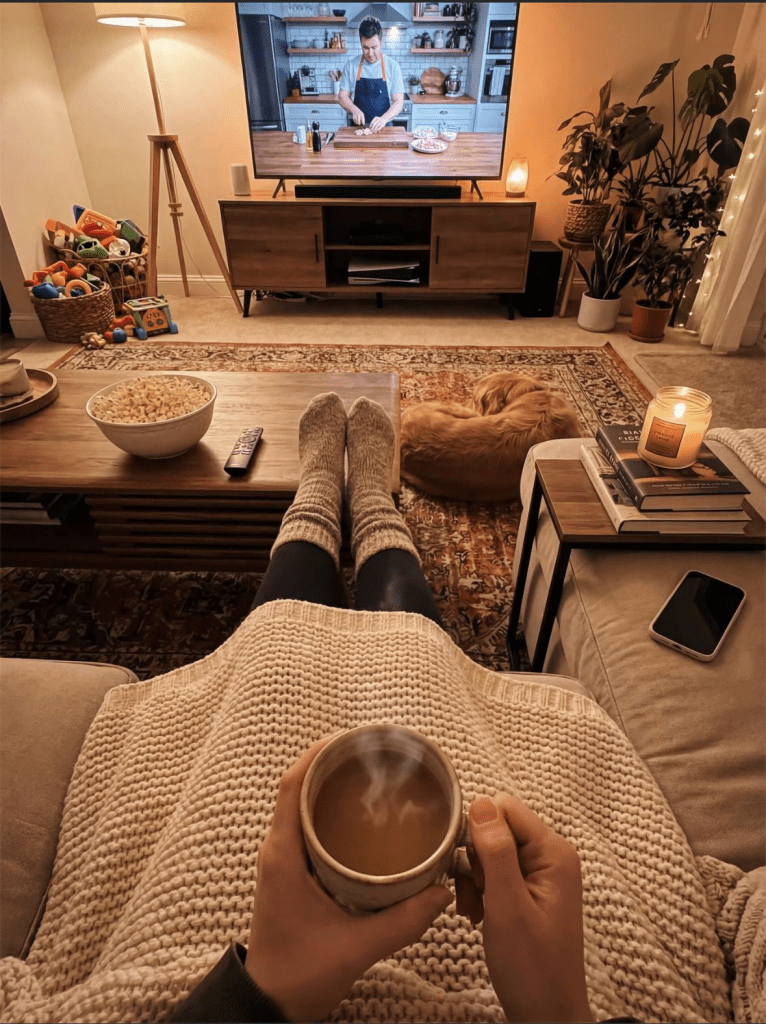
A peaceful home does not require expensive decorations or constant upgrades.
Try:
- Rearranging furniture
- Decluttering unused items
- Adding plants
- Using soft lighting
- Displaying meaningful objects
Small changes can make your space feel more comfortable.
5. Practice DIY and Repurposing
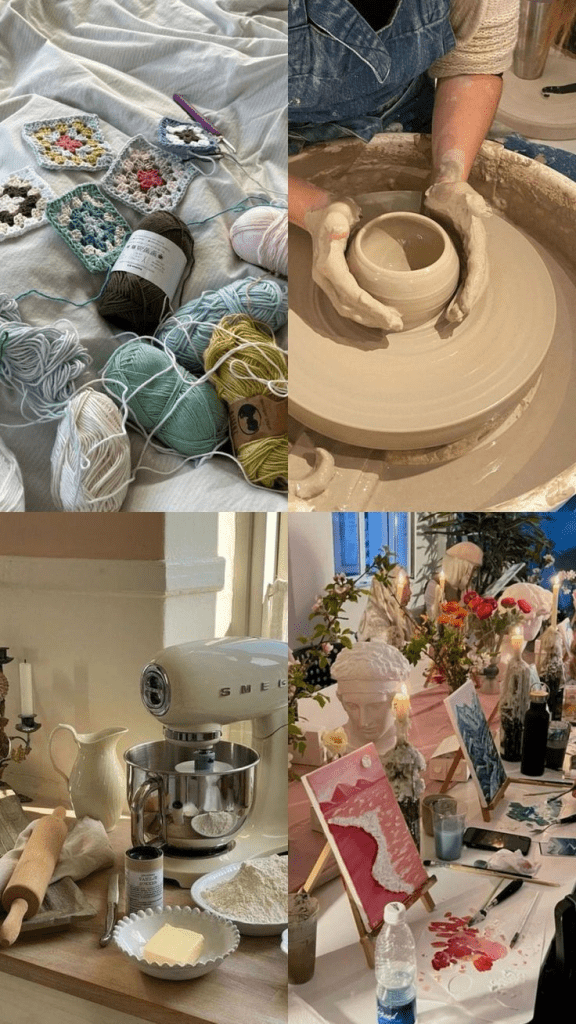
Using creativity can help you save money while making everyday items more personal.
DIY ideas:
- Homemade candles
- Upcycled furniture
- Handmade gifts
- Simple home décor projects
Repurposing items also reduces waste.
6. Replace Expensive Entertainment with Simple Joys
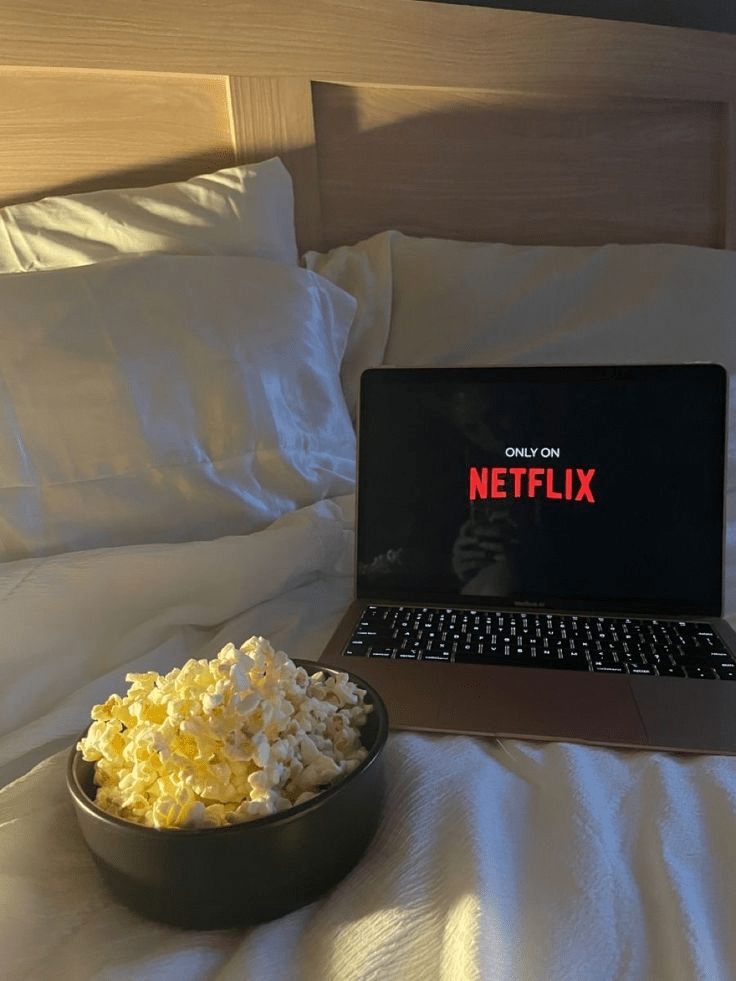
Slow living focuses on meaningful experiences rather than costly activities.
Affordable ideas:
- Reading books
- Having game nights
- Trying new recipes
- Listening to music
- Doing creative hobbies
Simple activities can create lasting memories.
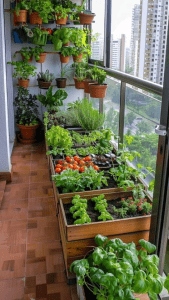
7. Grow Your Own Herbs and Food
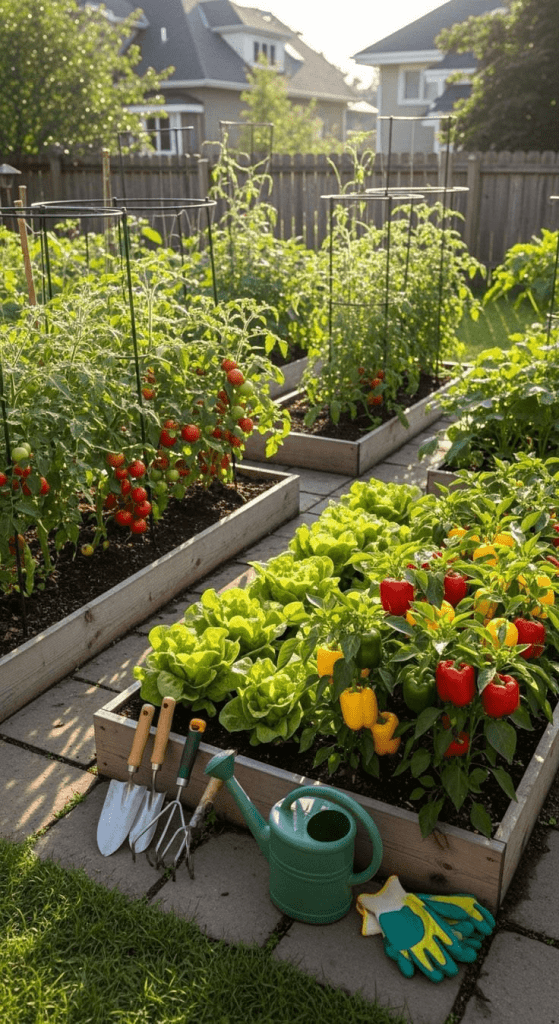
A small garden can support both slow living and your budget.
Start with:
- Balcony herbs
- Kitchen windowsill plants
- Small vegetable containers
Growing your own ingredients can reduce grocery costs and create a rewarding daily ritual.
8. Create a No-Spend Day Routine
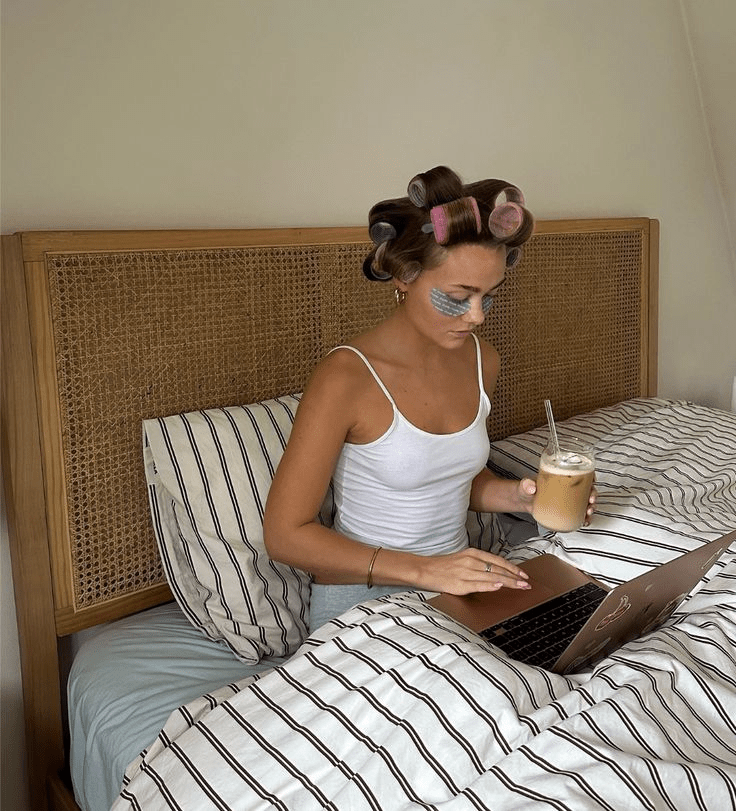
Designating occasional no-spend days can help you become more aware of your spending habits.
Use the day for:
- Home cooking
- Walking
- Organizing
- Reading
- Spending time with family
It can turn saving money into a relaxing challenge.
Summary
Slow living and saving money can go hand in hand. By focusing on mindful spending, simple pleasures, homemade experiences, and making the most of what you already have, you can create a calmer lifestyle while reducing unnecessary expenses. The goal is not to have less—it is to appreciate more of what truly matters.
Frequently Asked Questions
Is slow living expensive?
No. Slow living can actually help reduce expenses by encouraging mindful spending, simple routines, and using what you already have.
How can I practice slow living on a small budget?
Start with free activities like walking, journaling, cooking at home, spending time in nature, and reducing unnecessary purchases.
Can slow living help me save money?
Yes. Many slow living habits focus on avoiding impulse buying, reducing waste, and choosing meaningful experiences over expensive consumption.
What are affordable slow living hobbies?
Reading, gardening, baking, crafting, walking, journaling, and cooking are inexpensive hobbies that fit well with slow living.
Do I need to buy special products for slow living?
No. Slow living is about mindset and intentional choices rather than purchasing specific items.
How can I make my home feel peaceful without spending money?
Decluttering, rearranging furniture, cleaning regularly, adding natural elements, and creating cozy spaces can transform your home for free.
Is cooking part of slow living?
Yes. Cooking homemade meals can be a mindful activity that encourages creativity, connection, and healthier spending habits.
How do I avoid overspending while enjoying life?
Focus on experiences, hobbies, relationships, and activities that bring genuine value rather than frequent purchases.