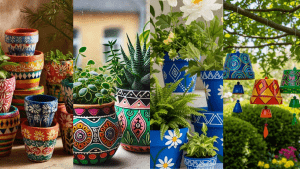

Slow living is a lifestyle approach that focuses on being more intentional, mindful, and present in everyday moments. It encourages you to step away from constant rushing and create routines that prioritize balance, simplicity, and meaningful experiences. Slow living does not mean doing everything slowly it means choosing what deserves your time and attention.
By making small changes to your daily habits, you can create a calmer routine that supports relaxation, creativity, and overall well-being. Whether you live in a busy city apartment or a quiet home, these slow living tips can help you bring more peace and intention into your everyday life.
Here are 10 slow living tips for creating a calm daily routine.
1. Start Your Morning Without Rushing

The way you begin your day can influence your mindset and energy.
Try:
- Waking up a little earlier
- Avoiding your phone immediately
- Enjoying a quiet morning drink
- Setting a daily intention
A peaceful morning routine creates a calmer foundation for the rest of your day.
2. Create a Simple Daily Schedule
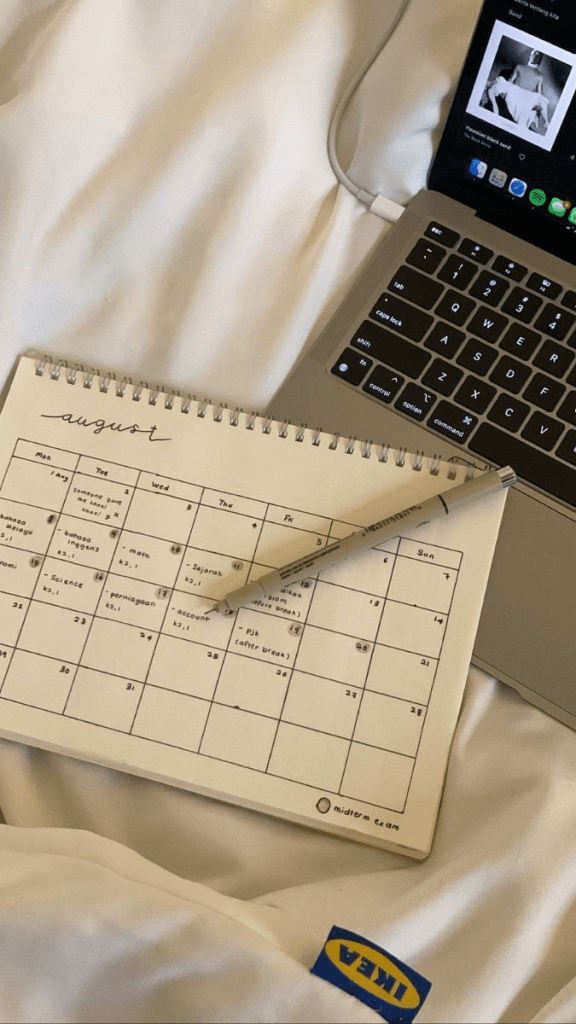
A slow living routine focuses on doing what matters most instead of filling every moment.
Practice by:
- Choosing your top priorities
- Leaving space between tasks
- Avoiding unnecessary commitments
A simpler schedule can help you feel more focused and less overwhelmed.
3. Practice Mindful Eating
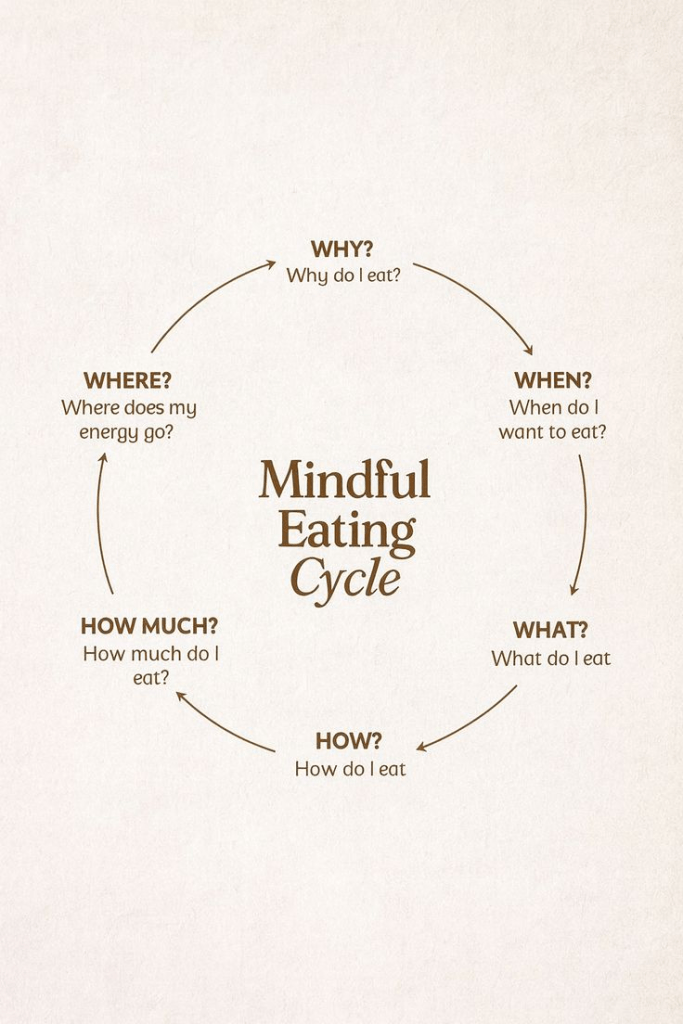
Turn meals into moments of connection and enjoyment.
Try:
- Eating without distractions
- Appreciating flavors and textures
- Cooking simple homemade meals
- Sharing meals with loved ones
Mindful eating encourages you to slow down and enjoy the present moment.
4. Spend Time in Nature

Nature offers a simple way to reconnect with yourself and escape daily stress.
Ideas:
- Take a walk outdoors
- Garden at home
- Watch the sunset
- Sit quietly in a natural space
Even a few minutes outside can create a sense of calm.
5. Declutter Your Living Space
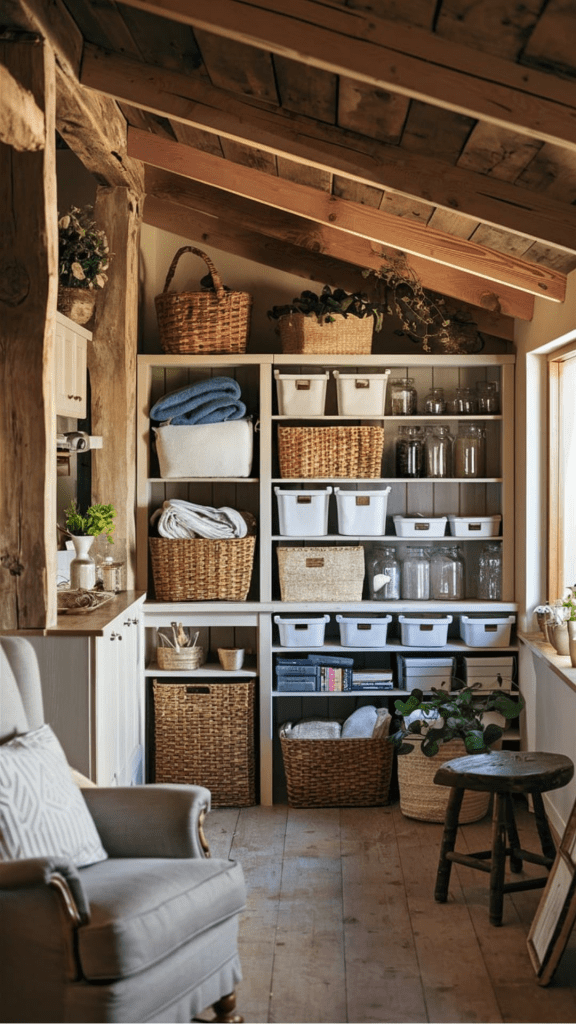
A peaceful environment can support a peaceful mindset.
Start with:
- Removing unused items
- Organizing one area at a time
- Keeping surfaces simple
- Choosing meaningful decorations
A clutter-free home can make everyday routines feel lighter.
6. Reduce Digital Distractions

Constant notifications can make it difficult to be fully present.
Create boundaries by:
- Having screen-free mornings
- Limiting social media time
- Turning off unnecessary alerts
- Taking regular digital breaks
Less screen time can create more room for reflection and creativity.
7. Enjoy Simple Everyday Rituals

Small moments can become meaningful when approached with intention.
Examples:
- Drinking tea slowly
- Reading a few pages of a book
- Lighting a candle
- Writing in a journal
Simple rituals can add comfort and joy to your routine.
8. Choose Quality Over Quantity
Slow living encourages thoughtful choices instead of constant consumption.
Apply this to:
- Clothing
- Home items
- Food
- Experiences
Investing in things you truly value can create a more intentional lifestyle.
9. Make Time for Hobbies

Creative activities can help you relax and reconnect with yourself.
Try:
- Painting
- Baking
- Gardening
- Photography
- Crafting
- Reading
Hobbies provide a healthy break from productivity-focused routines.
10. End Your Day with Reflection
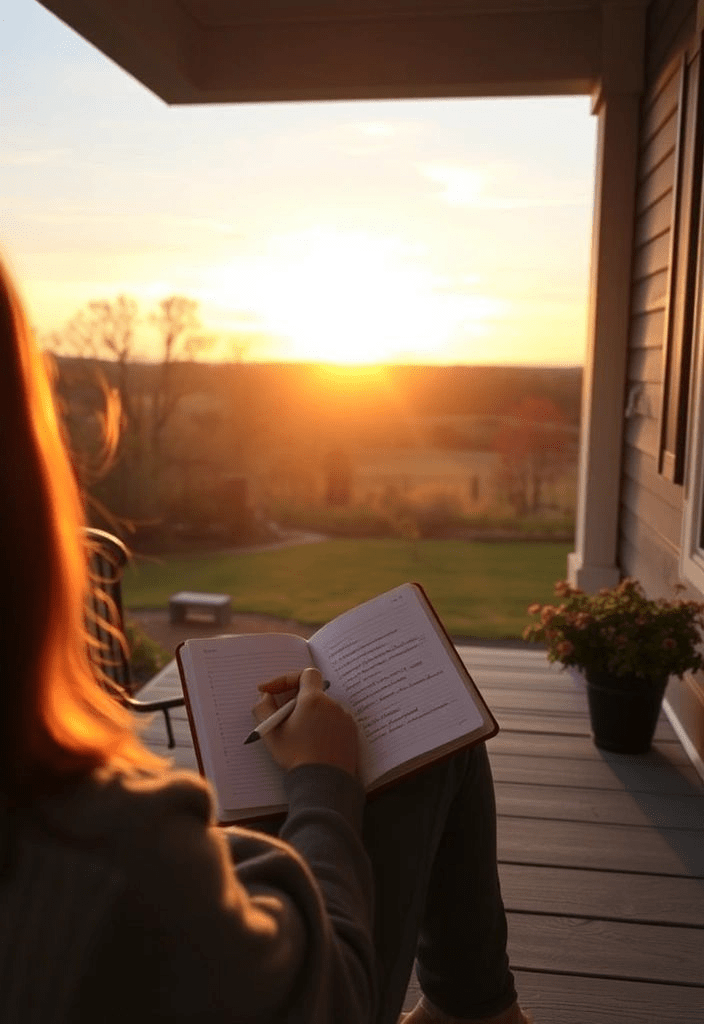
A calming evening routine helps you transition away from daily responsibilities.
Include:
- Gratitude journaling
- Gentle stretching
- Preparing for tomorrow
- Reflecting on positive moments
Ending the day intentionally can improve your sense of balance and calm.
Summary
Slow living is about creating a lifestyle that feels more intentional, peaceful, and meaningful. By simplifying your schedule, enjoying small moments, spending time in nature, and creating mindful routines, you can reduce stress and make more space for the things that truly matter. Small daily changes can transform ordinary moments into opportunities for calm, connection, and appreciation.
Frequently Asked Questions
What is slow living?
Slow living is a lifestyle focused on mindfulness, intentional choices, simplicity, and being more present in everyday life.
Does slow living mean being less productive?
No. Slow living is not about doing less; it is about focusing your energy on what matters most and avoiding unnecessary stress.
How can I start slow living as a beginner?
Begin with small habits like creating a peaceful morning routine, reducing clutter, practicing gratitude, or spending more time offline.
Can slow living help reduce stress?
Many people find that slowing down, simplifying routines, and practicing mindfulness can help create a calmer and more balanced lifestyle.
Do I need to move to the countryside for slow living?
No. Slow living can be practiced anywhere by making intentional choices about your time, environment, and daily habits.
What are some slow living hobbies?
Reading, gardening, cooking, journaling, crafting, walking, and creative activities are popular slow living hobbies.
How can I make my home feel more peaceful?
Declutter regularly, use calming colors, add natural elements, create cozy spaces, and keep only items that bring meaning or joy.
How long does it take to build a slow living routine?
There is no set timeline. Start with one or two habits and gradually create a routine that fits your lifestyle.