

Everyone has bad days. Sometimes nothing dramatic happens—you simply wake up feeling tired, irritated, unmotivated, overwhelmed, or emotionally drained. Other times, one difficult moment can make everything else feel harder than usual. When you’re having a bad day, you don’t always need to completely turn things around. Sometimes, the goal is simply to make the next hour feel a little easier. Small acts of comfort, movement, connection, and self-care can help you create a gentle pause between yourself and whatever is making the day difficult.
The good news is that improving a bad day doesn’t have to require a major change. You can make a favorite drink, step outside for fresh air, listen to music, tidy one small corner, or send a message to someone you trust. These little things may seem insignificant, but they can give you a sense of comfort and control when everything feels off. If you’re wondering what to do when you’re having a bad day, start with something simple rather than putting pressure on yourself to feel completely better. Here are 10 little things you can try to make an ordinary difficult day feel a little lighter.
1. Make Your Favorite Drink

When your mood is low, preparing something you genuinely enjoy can be a simple way to slow down and care for yourself. Make your favorite coffee, tea, hot chocolate, smoothie, or another comforting drink and take a few minutes to enjoy it without multitasking.
Instead of quickly drinking it while scrolling through your phone, create a small moment around it. Sit somewhere comfortable, put on relaxing music, or look out the window while you sip. The goal isn’t to magically fix your mood but to give yourself a peaceful pause.
Small comforting rituals can be especially helpful when your day feels rushed or overwhelming. You’re reminding yourself that even on difficult days, you deserve moments of comfort. If you don’t feel like doing anything complicated, this is one of the easiest bad-day self-care ideas to try.
2. Step Outside for Fresh Air

Sometimes staying indoors while feeling frustrated or overwhelmed can make the day feel even heavier. If you’re able to, step outside for a few minutes. You don’t need to go anywhere special. Stand on your balcony, sit in your garden, walk around the block, or simply spend a few minutes somewhere with fresh air.
Pay attention to your surroundings instead of focusing entirely on whatever went wrong. Notice the sky, trees, sounds, sunlight, or movement around you. Even a short change of environment can help break up a repetitive cycle of negative thoughts.
You can make this even easier by leaving your phone behind for a few minutes. There’s no need to turn it into a workout or a long walk. Think of it as a small reset button for your afternoon or evening.
3. Put on Music That Matches Your Mood

Music can completely change the atmosphere around you. When you’re having a bad day, choose music based on what you actually need rather than what you think you should listen to.
If you need to release frustration, play something energetic and let yourself sing along. If you feel emotionally exhausted, choose calming songs that create a peaceful atmosphere. You could also make a playlist specifically for difficult days so you don’t have to decide what to listen to when your energy is low.
Try changing your surroundings while the music plays. Open a window, make your bed, stretch, or simply lie down and listen. Music doesn’t have to solve your problems to be helpful. Sometimes, creating a different emotional atmosphere is enough to make the next few minutes feel more manageable.
4. Take a Break From Your Phone

When you’re already feeling down, constantly checking social media can sometimes make your mind feel even more crowded. Give yourself permission to disconnect for a little while.
Put your phone on silent, place it in another room, or set a short period where you don’t check messages or social media. Use those minutes to do something that doesn’t require comparison, notifications, or endless scrolling.
You could read a few pages of a book, take a shower, stretch, make a snack, or simply sit quietly. You don’t need to completely eliminate screen time. Even a 20- or 30-minute break can create some mental breathing room.
A bad day is already demanding enough. You don’t have to fill every quiet moment with more information.
5. Tidy One Small Area
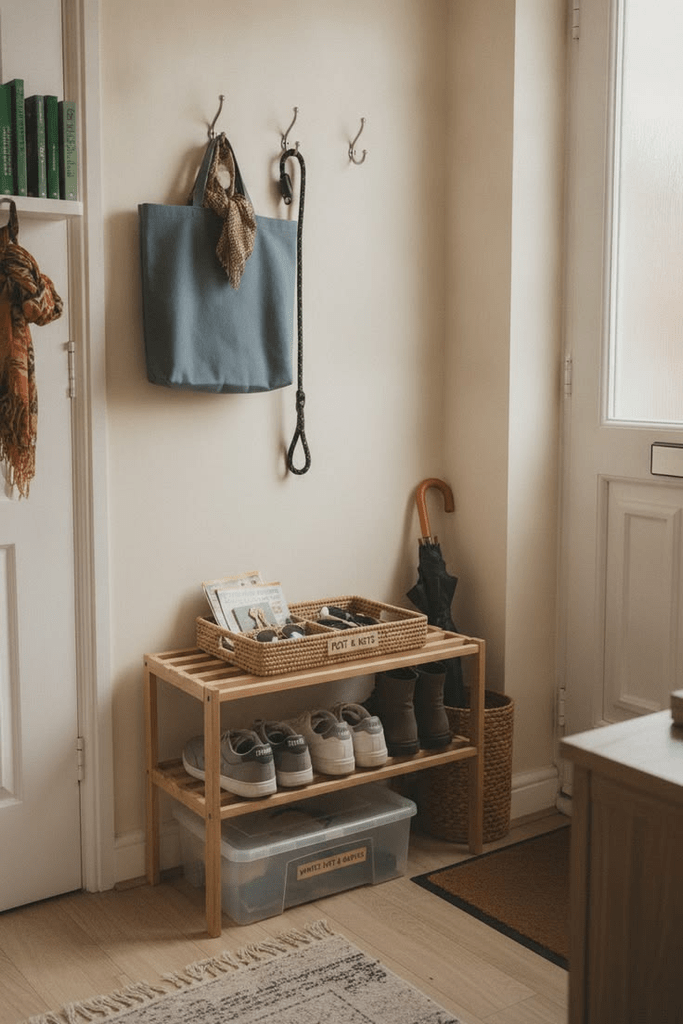
When everything feels chaotic emotionally, cleaning your entire home may sound impossible. Instead, choose one tiny area.
Clear your bedside table, organize one drawer, wash a few dishes, straighten your desk, or put away the clothes sitting on a chair. Give yourself permission to stop once that small task is finished.
The purpose isn’t to become incredibly productive. It’s to create one small area that feels calmer and more organized. Completing a simple task can also give you a little sense of accomplishment when motivation is low.
Once you finish, take a moment to appreciate the difference. You may decide to continue, but you don’t have to. One organized corner is enough. On a difficult day, small wins count.
6. Take a Warm Shower and Change Into Comfortable Clothes

A warm shower can be a simple way to create a transition between a stressful part of the day and a more peaceful one. Give yourself permission to make it feel a little special.
Use your favorite shower products, play calming music, wash your hair, or simply take your time. Afterward, change into clean, comfortable clothes that make you feel relaxed.
This can be particularly useful after a frustrating day at work, school, or home. Instead of carrying the entire day into the evening, create a physical and mental signal that says, “I’m allowed to slow down now.”
You don’t need an elaborate self-care routine. Sometimes a shower, fresh clothes, and a comfortable place to sit are enough to make the evening feel noticeably better.
7. Eat Something Nourishing

When you’re having a bad day, it’s easy to forget to eat or reach for whatever is quickest. But feeling hungry, tired, and emotionally drained at the same time can make an already difficult day feel worse.
Prepare something simple that gives you energy without creating extra work. Try toast with eggs, fruit and yogurt, a warm bowl of soup, a sandwich, oatmeal, or a simple rice and vegetable bowl.
Don’t turn the meal into another task you have to perfect. The goal is simply to give your body some attention.
You can also make the experience more comforting by eating somewhere pleasant, using your favorite plate, or watching a lighthearted show while you eat. Taking care of basic needs is an important part of getting through a difficult day.
8. Message Someone You Trust

You don’t always need advice when you’re having a bad day. Sometimes you simply need to feel connected to another person.
Send a short message to someone you trust. You could say that you’re having a difficult day, ask how they’re doing, or simply share something funny. You don’t have to explain everything if you aren’t ready.
If you prefer not to talk about what is bothering you, have an ordinary conversation instead. Discuss a movie, a recipe, weekend plans, or something that made you laugh recently.
Human connection can be comforting, especially when a bad day makes you want to isolate yourself. You don’t have to handle every difficult emotion completely on your own.
9. Do One Thing You Usually Enjoy

Bad days often make us stop doing the little things that normally bring us pleasure. Choose one simple activity you enjoy and give yourself permission to do it without feeling guilty.
Read a chapter of your favorite book, watch a comforting movie, bake something, draw, garden, play a game, take photos, do a puzzle, or spend time with a pet.
The activity doesn’t have to be productive. In fact, it may be more helpful if it isn’t.
When you’re constantly trying to make every moment useful, enjoyable activities can start feeling unnecessary. But rest and enjoyment have value too. Give yourself an hour where you don’t have to accomplish anything. Sometimes doing something familiar and enjoyable can remind you that one difficult day doesn’t define your entire life.
10. Give Yourself Permission to Have a Bad Day
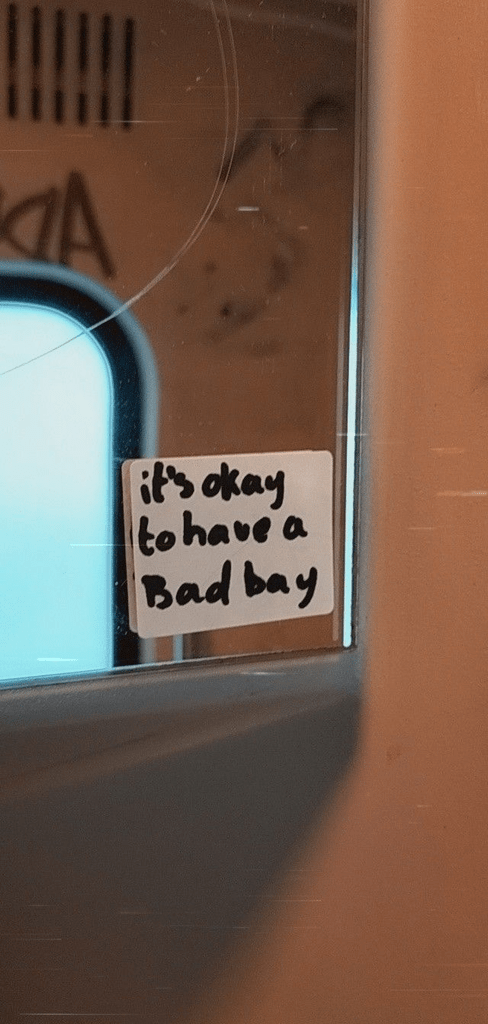
Perhaps the most important thing you can do is stop fighting the fact that today isn’t going well.
You don’t have to force yourself to be positive every minute. You don’t have to pretend everything is fine. You can acknowledge that you’re disappointed, frustrated, tired, sad, or simply not feeling like yourself.
Give yourself permission to lower your expectations for the day. Maybe your normal to-do list becomes a shorter list. Maybe dinner is something incredibly simple. Maybe you go to bed earlier. Maybe you decide that today is about getting through the day rather than achieving something extraordinary.
A bad day is a moment, not a permanent state. You can be kind to yourself while you move through it. Tomorrow may feel different, and if it doesn’t, you can take things one small step at a time.
Short Summary
When you’re having a bad day, you don’t need to completely transform your mood or solve every problem immediately. Small acts of self-care can give you comfort and create a little breathing room. Make your favorite drink, step outside, listen to music, take a phone break, tidy a small space, shower, eat something nourishing, connect with someone you trust, enjoy a favorite activity, and most importantly, give yourself permission to have an imperfect day. Sometimes the best way forward is simply to make the next few minutes a little gentler.
FAQ
What should I do when I’m having a really bad day?
Start with basic needs. Drink some water, eat something, take a shower, step outside, rest, or talk to someone you trust. Choose one small action instead of trying to fix everything at once.
How can I make myself feel better quickly?
Try changing your environment. Take a short walk, listen to uplifting music, get some fresh air, make a comforting drink, or spend time doing something you enjoy.
Is it okay to do nothing on a bad day?
Yes. Rest can be valuable, especially when you’re emotionally or physically drained. You can give yourself permission to have a slower day without feeling guilty.
What are some easy self-care ideas for a bad day?
Simple options include taking a warm shower, making your favorite meal or drink, journaling, listening to music, reading, stretching, spending time outside, or talking with a trusted person.
Should I talk to someone when I’m having a difficult day?
If you feel comfortable, connecting with someone you trust can help you feel less alone. You don’t necessarily need advice—you can simply let them know you’re having a rough day.
How do I stop a bad day from ruining my whole week?
Try to treat the difficult day as one difficult day rather than predicting how the rest of your week will go. Focus on what you can do in the next hour and give yourself a chance to reset.
What if I keep having bad days?
If difficult feelings are persistent, intense, or interfering with everyday life, consider talking with a qualified mental health professional or another trusted support person. You don’t have to figure everything out alone.
What is the most important thing to remember on a bad day?
You don’t have to be productive, positive, or perfect every day. Sometimes getting through the day gently is enough.