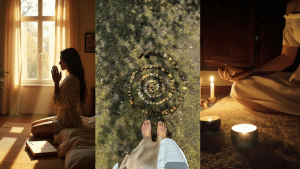

Spiritual wellness is the process of finding meaning, purpose, and inner peace in your life. It involves understanding your values, connecting with what matters most to you, and developing a deeper sense of connection with yourself, other people, nature, or a higher power. For some people, spiritual wellness is closely connected to religion and faith, while others explore it through mindfulness, meditation, gratitude, or time spent in nature. It is a personal journey that can look different for everyone.
Practicing spiritual wellness can help you feel more grounded, develop greater self-awareness, and navigate life’s challenges with a clearer perspective. It encourages you to slow down, reflect on your experiences, and make choices that align with your beliefs and values. Whether you begin with a few quiet moments each day, a gratitude journal, or a meaningful spiritual practice, small steps can help you cultivate a more balanced and fulfilling life.
What Does Spiritual Wellness Mean?
Spiritual wellness refers to the ongoing effort to understand your purpose, live according to your personal values, and develop a sense of inner harmony. It encourages you to look beyond daily responsibilities and consider what gives your life meaning.
Spiritual wellness does not require following a particular religion or having all the answers about life. Instead, it is about exploring your beliefs, finding what brings you peace, and building a meaningful relationship with the world around you.
Why Is Spiritual Wellness Important?
Spiritual wellness can support your overall well-being by encouraging reflection, emotional balance, and purposeful living. When you understand your values and priorities, it may become easier to make decisions that feel right for you.
A healthy spiritual life can also encourage compassion, gratitude, forgiveness, and stronger relationships. Spiritual practices may help you manage everyday stress and approach difficult experiences with greater patience. Although spiritual wellness is not a replacement for professional mental or physical health care, it can be a valuable part of a balanced lifestyle.
1. Practice Daily Mindfulness

Mindfulness involves paying attention to the present moment without immediately judging your thoughts or feelings. It can help you become more aware of your emotions, habits, and surroundings.
Start with five minutes of quiet breathing each morning. Notice how you feel, observe your thoughts, and gently bring your attention back to the present whenever your mind wanders. Over time, this simple practice can create more space for reflection and inner calm.
2. Make Time for Gratitude

Gratitude encourages you to recognize the positive aspects of your life, even during challenging periods. It can shift your attention toward meaningful relationships, small achievements, and everyday experiences that you might otherwise overlook.
Try writing down three things you appreciate each day. They could be as simple as a peaceful morning, a supportive friend, or a meal you enjoyed. The goal is not to ignore difficulties but to recognize that positive experiences can exist alongside them.
3. Explore Your Personal Values

Understanding your values can help you live with greater purpose and intention. Values such as kindness, honesty, creativity, family, service, or personal growth can guide your choices and shape the way you interact with others.
Take a few moments to consider what matters most to you. Ask yourself whether your daily habits reflect those values. If they do not, identify one small change that could help you live more consistently with the person you want to become.
4. Spend Time in Nature

Nature can offer a peaceful setting for reflection and reconnection. Walking through a garden, watching the sunset, listening to birds, or sitting beneath a tree can encourage you to slow down and appreciate the world around you.
You do not need to plan an elaborate outdoor adventure. Even a short walk without your phone can give you an opportunity to breathe deeply, notice your surroundings, and step away from the distractions of everyday life.
5. Develop a Spiritual Practice

A spiritual practice can provide structure for reflection, connection, and personal growth. Depending on your beliefs, this might involve prayer, reading spiritual texts, meditation, attending religious services, or participating in a community tradition.
Choose a practice that feels meaningful and comfortable for you. Consistency matters more than perfection, so begin with a few minutes a day rather than setting an unrealistic routine.
6. Spend Time in Quiet Reflection

Quiet reflection allows you to examine your experiences, understand your feelings, and consider the direction of your life. It can help you recognize patterns in your behavior and identify what may need to change.
Set aside a few minutes each evening to reflect on your day. Consider what brought you peace, what challenged you, and what you learned. You can do this through journaling, meditation, prayer, or simply sitting quietly.
7. Practice Kindness and Compassion

Spiritual wellness is not only about your relationship with yourself; it can also influence how you treat other people. Practicing kindness encourages empathy, patience, and a deeper appreciation of the experiences of others.
Offer someone genuine encouragement, listen without interrupting, help a person who needs support, or show appreciation for someone’s efforts. Small acts of kindness can strengthen relationships and help you live in alignment with compassionate values.
8. Learn to Forgive and Let Go

Holding on to resentment or past disappointments can sometimes make it difficult to move forward. Forgiveness may help you release some of that emotional burden and create space for healing.
Forgiveness does not mean approving of harmful behavior, forgetting what happened, or allowing someone to hurt you again. You can establish healthy boundaries while gradually working through difficult feelings. Give yourself time and seek support when the process feels overwhelming.
9. Build Meaningful Connections

Supportive relationships can provide a sense of belonging, understanding, and shared purpose. Spending time with people who respect your values can help you feel connected and encourage personal growth.
Make time for honest conversations with friends or family members. You might also join a community group, volunteer organization, faith community, or activity centered on a cause you care about. Meaningful connection does not depend on having a large social circle; a few supportive relationships can be deeply valuable.
10. Live With Intention and Purpose

Living with intention means making conscious choices about how you spend your time, energy, and attention. Rather than moving through each day automatically, you begin to consider whether your actions reflect your priorities.
Choose one meaningful intention each morning, such as being more patient, practicing gratitude, or making time for a loved one. At the end of the day, reflect on how that intention influenced your choices. Small, consistent actions can help create a stronger sense of direction over time.
Signs Your Spiritual Wellness May Need Attention
Spiritual wellness is an ongoing process, and it is normal for your sense of purpose or connection to change throughout life. You may want to spend more time nurturing it if you notice that you:
- Feel disconnected from your values or personal priorities.
- Rarely make time for reflection or meaningful activities.
- Feel as though you are moving through life without a clear direction.
- Find it difficult to appreciate positive moments.
- Feel disconnected from people, nature, or communities that once mattered to you.
- Frequently ignore your personal needs while meeting other people’s expectations.
These experiences do not automatically mean something is wrong with you. They may simply be reminders to pause, reassess your priorities, and explore what helps you feel connected and fulfilled.
Practical Tips for Building a Spiritual Wellness Routine
You do not need to change your entire lifestyle to support spiritual wellness. Begin with small, manageable habits and gradually build a routine that fits your needs.
- Start small: Spend five minutes a day meditating, praying, journaling, or sitting quietly.
- Choose what feels authentic: Explore spiritual practices that align with your beliefs and personal values.
- Create a peaceful space: Set up a comfortable corner for reflection, reading, or meditation.
- Reduce distractions: Put away your phone during quiet time or meaningful conversations.
- Stay curious: Read, ask questions, and explore ideas that help you understand yourself and the world.
- Be patient with yourself: Your beliefs, priorities, and sense of purpose may evolve over time.
- Seek support when needed: Trusted friends, spiritual mentors, counselors, or mental health professionals can help you work through difficult questions and emotions.
Summary
Spiritual wellness is about cultivating meaning, purpose, connection, and inner harmony in everyday life. It can involve religious faith, personal reflection, mindfulness, gratitude, time in nature, or compassionate relationships. There is no single correct way to develop spiritual wellness because everyone’s beliefs and experiences are different.
By practicing mindfulness, exploring your values, making time for reflection, and building meaningful connections, you can gradually develop a more intentional and fulfilling way of living. Start with one simple practice that resonates with you, and allow your spiritual wellness journey to grow at your own pace.
Frequently Asked Questions About Spiritual Wellness
1. What is spiritual wellness in simple words?
Spiritual wellness means understanding what gives your life meaning, connecting with your personal values, and finding ways to develop inner peace and purpose.
2. Is spiritual wellness the same as religion?
No. Religion can be an important part of spiritual wellness, but spiritual wellness is not limited to religious beliefs. It can also involve mindfulness, personal values, nature, gratitude, and meaningful relationships.
3. What are the five dimensions of spiritual wellness?
There is no single universally accepted five-part model. Common aspects include meaning and purpose, personal values, connection with others, inner peace, and a sense of connection with something greater than oneself.
4. What are examples of spiritual wellness activities?
Examples include meditation, prayer, gratitude journaling, spending time in nature, reading meaningful texts, volunteering, practicing forgiveness, and reflecting on personal values.
5. How can I improve my spiritual wellness every day?
Start with one simple habit, such as writing down three things you appreciate, spending five minutes in quiet reflection, or performing an intentional act of kindness. Choose a practice that feels meaningful and repeat it regularly.
6. What is the difference between spiritual and emotional wellness?
Spiritual wellness focuses on meaning, purpose, values, and connection. Emotional wellness involves recognizing, understanding, and managing feelings. The two can overlap and support each other.
7. Can spiritual wellness help with stress?
Practices such as mindfulness, prayer, gratitude, and reflection may help some people manage stress and feel more grounded. However, spiritual wellness is not a substitute for professional support when stress or other symptoms become difficult to manage.
8. How do I know if my spiritual wellness is improving?
You may notice that you understand your values more clearly, feel more connected to meaningful activities, make decisions with greater intention, or find it easier to appreciate everyday experiences. Progress looks different for everyone.
9. Do I need to follow a religion to experience spiritual wellness?
No. You can develop spiritual wellness through personal reflection, ethical living, connection with nature, meditation, service to others, or other practices that help you explore meaning and purpose.
10. How long does it take to improve spiritual wellness?
There is no fixed timeline. Some practices may offer an immediate sense of calm, while deeper self-understanding and changes in daily habits can take time. Consistency, patience, and openness to learning are more important than reaching a specific deadline.