
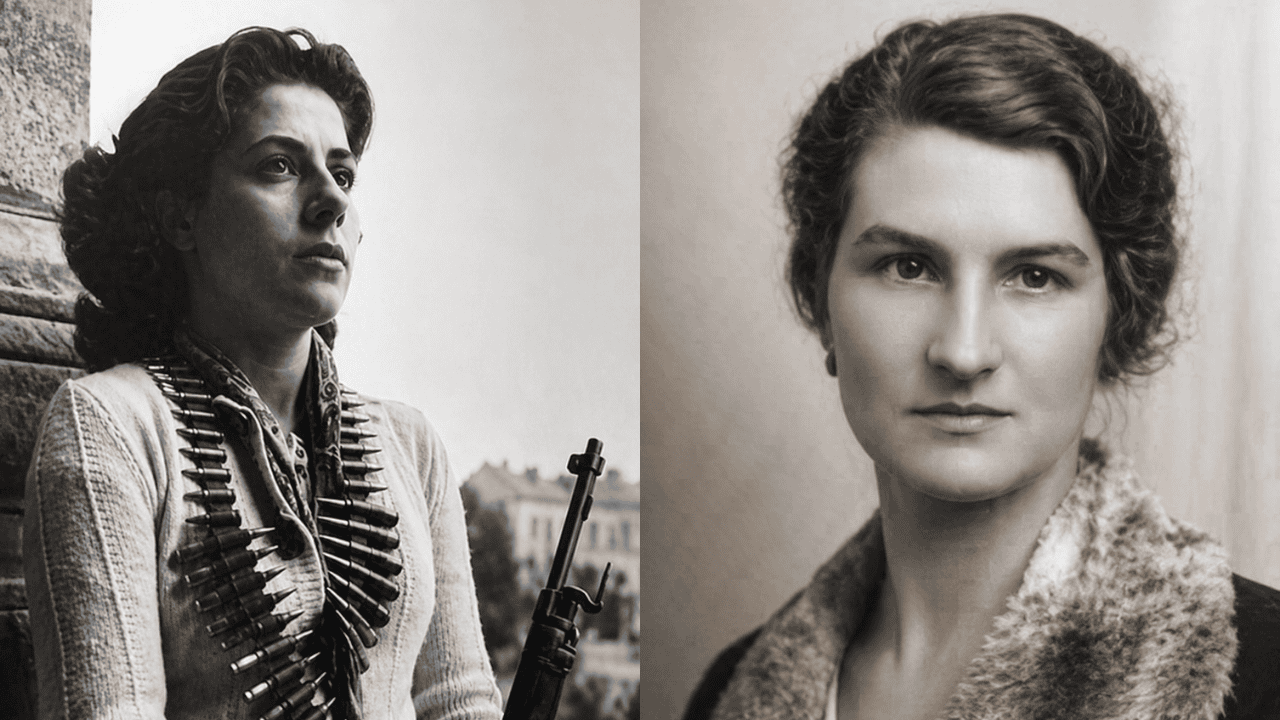
During World War II, few operatives struck as much fear into Nazi intelligence as Virginia Hall—a woman the Gestapo would later describe as “the most dangerous Allied agent in France.” Her story is not one of glamour or recognition, but of relentless determination in the face of overwhelming danger.
Before the war, Hall’s life took an unexpected turn when a hunting accident forced the amputation of her leg. She adapted to a wooden prosthetic, something she would later refer to as “Cuthbert.” What might have ended most careers instead became part of her identity—one that would not slow her down.
When war engulfed Europe, Hall joined the fight in a way few could imagine. Sent into occupied France as a spy, she operated behind enemy lines where discovery meant torture or execution. With no formal protection and limited support, she built resistance networks from the ground up. She coordinated sabotage missions, arranged prison breaks, and helped Allied airmen escape capture.
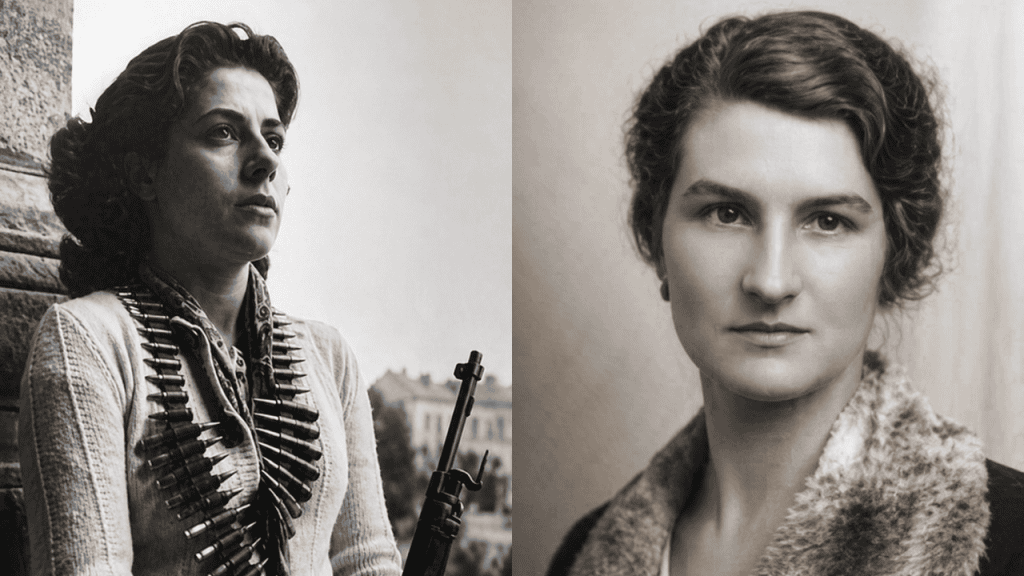
Her work required constant movement and absolute secrecy.
Hall traveled from city to city, often relying only on memory and instinct to navigate a country filled with informants. She carried messages, organized operations, and maintained connections across the resistance—all while being actively hunted. The Gestapo circulated her description widely, warning their forces to capture her at any cost.
Despite the , she continued.
As pressure tightened and the risk of capture increased, Hall made a daring escape across the Pyrenees mountains into Spain—on foot, in winter, with her prosthetic leg. It was an exhausting and dangerous journey, but she survived.
And she did not stop there.
Rather than stepping away from the conflict, Hall returned to France later in the war to continue her mission. Once again, she worked in secrecy, supporting resistance efforts that would contribute to the success of Allied operations, including those connected to the D-Day invasion.
Her strength was not in weapons or force, but in persistence. She endured betrayal, constant, and the physical challenges of her condition without ever abandoning her role.
After the war, Virginia Hall received recognition from intelligence and military organizations, including the Distinguished Service Cross. Yet, much of her work remained classified, and she lived quietly, far from the spotlight.
Her legacy is not built on fame, but on impact.
Virginia Hall proved that resilience and determination can overcome even the most daunting obstacles. In a world defined by fear and, she remained one step ahead—unseen, unbroken, and unstoppable.
Her story endures as a powerful reminder that sometimes the most dangerous weapon is not force, but persistence.