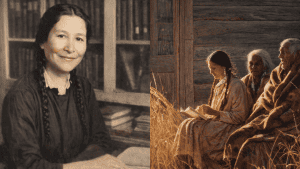
In early 20th century Japan, women were expected to be quiet, obedient, and invisible in public life. It was a society shaped by rigid gender roles, where a woman’s virtue was measured by her silence. Into that world, in 1886, Hiratsuka Raichō was born and she had no intention of whispering.
Raised in a well educated family in Tokyo, Raichō was exposed to literature and ideas that stretched beyond the narrow expectations placed on women. She studied at Japan Women’s University, where she began questioning the limits imposed on her sex. Why were women denied intellectual freedom? Why were their voices confined to the private sphere? These questions would define her life.
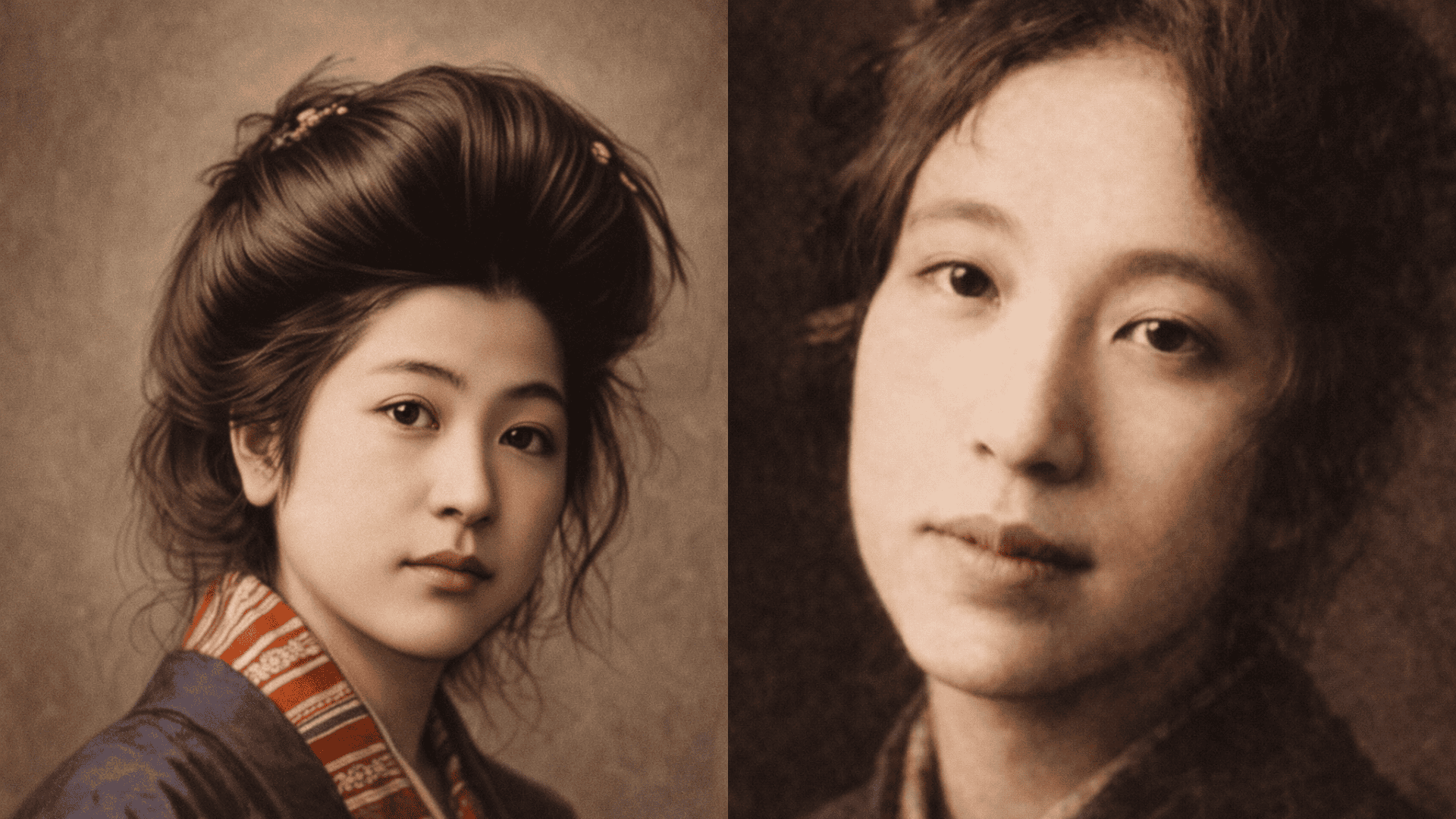
In 1911, at just 25 years old, she co-founded Seitō (Bluestocking), Japan’s first all-women literary magazine. The publication became a lightning rod almost immediately. In its inaugural issue, Raichō wrote a line that would echo through Japanese feminist history: “In the beginning, woman was the sun.” With those words, she invoked a time when women were seen as radiant and powerful before centuries of suppression dimmed that light.
The statement was bold, poetic, and defiant. It also ignited backlash. Critics condemned the magazine as immoral and dangerous. Authorities censored several issues. Society bristled at women who dared to write openly about love, sexuality, independence, and selfhood. But the controversy only amplified the movement.
Seitō was more than a literary journal. It was a declaration that Japanese women would speak for themselves. Through essays, fiction, and personal reflections, Raichō and her collaborators challenged the cultural norms that confined them. They debated marriage, motherhood, education, and the right to personal fulfillment conversations that had rarely been allowed in public.
Raichō’s activism did not end with literature. In the 1920s, she became involved in broader political efforts for women’s rights, including the fight to revise laws that barred women from attending political meetings. She later helped found organizations advocating for suffrage and legal equality. At a time when modern Japan was rapidly industrializing and redefining itself, she insisted that women must not be left behind.
Her life spanned dramatic chapters of Japanese history from the Meiji era through World War II and into the postwar period. Through it all, she remained committed to expanding space for women’s voices in a society that had long tried to contain them.
Hiratsuka Raichō did more than write provocative lines. She lit a fuse. In a modernizing nation wrestling with identity and power, she declared that women would no longer trail quietly in the shadows. If history was being rewritten, they would help author it not watch from the margins.