
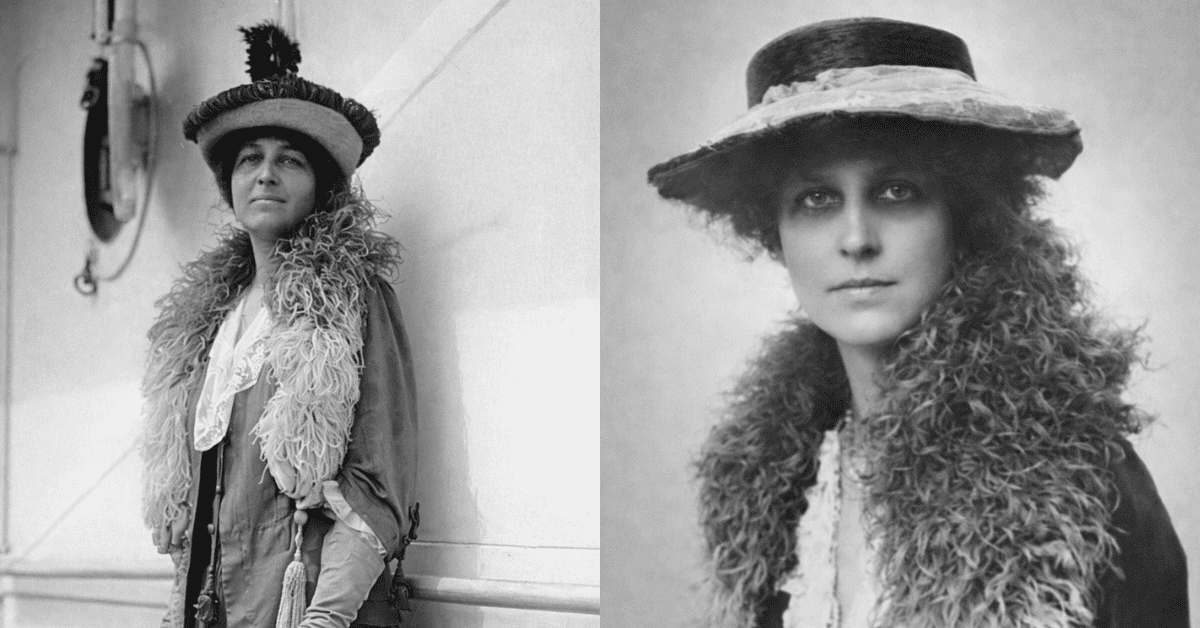
Before the birth control pill changed the lives of millions of women, it was considered too controversial to fund.
Katharine Dexter McCormick stepped in when few others would.
Born in 1875, McCormick was highly educated at a time when women rarely had access to advanced science training. She earned a biology degree from the Massachusetts Institute of Technology, becoming one of the first women to graduate from MIT. She understood science not as theory, but as power — a tool that could change society.
After marrying wealthy industrial heir Stanley McCormick, Katharine gained financial independence. When her husband developed severe mental illness and was institutionalized for much of his life, she became both his guardian and the controller of a vast fortune.
She chose to use that wealth strategically.
In the early 20th century, distributing contraception in the United States was illegal under federal Comstock laws. Margaret Sanger, a nurse and birth control advocate, faced arrest and prosecution for promoting reproductive education. McCormick supported Sanger financially and personally, even helping to smuggle diaphragms from Europe into the United States when American laws prohibited their importation.
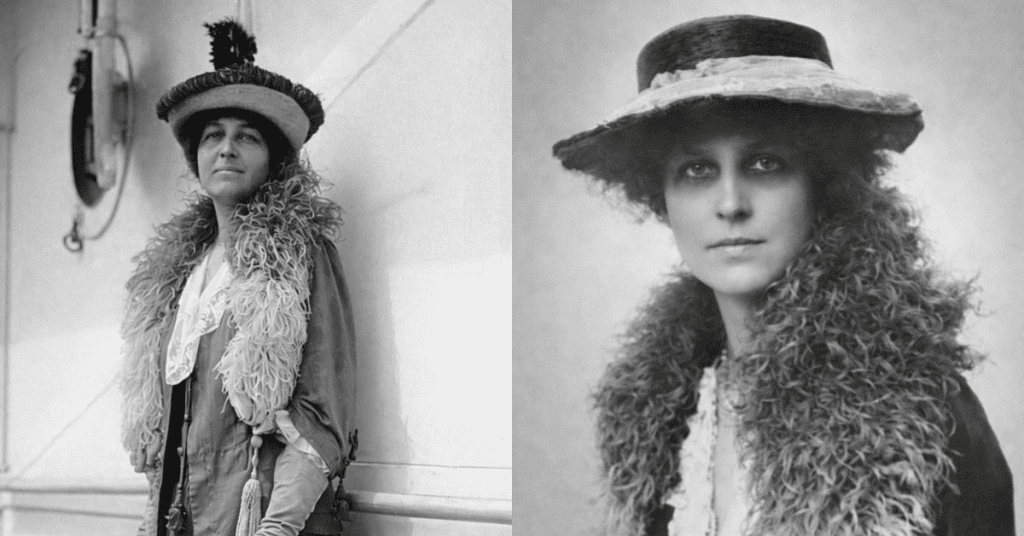
But she wanted something more reliable and more widely accessible than existing methods.
In the 1950s, Gregory Pincus began researching a hormonal contraceptive. The science was controversial. Major institutions hesitated to support it. Pharmaceutical companies were cautious. Public funding was unlikely.
McCormick quietly funded the work.
Over time, she provided approximately $2 million of her own money the equivalent of tens of millions today to support laboratory research, clinical trials, and development. Without her backing, the project likely would have stalled.
In 1960, the U.S. Food and Drug Administration approved the first oral contraceptive pill.
The impact was immediate and historic. For the first time, women had a reliable, discreet method of controlling their fertility. The pill reshaped education, employment, marriage, and gender roles across the United States and eventually around the world.
McCormick did not seek public credit. She worked largely behind the scenes, understanding that social change often requires both activism and funding. She used her privilege and wealth deliberately not for status, but for structural change.
Katharine McCormick died in 1967, but the ripple effects of her decision continue decades later.
The birth control pill was a scientific breakthrough.
But it was also the result of one woman’s willingness to fund an idea that others considered too radical.
Without Katharine McCormick’s investment, the timeline of women’s reproductive freedom might have looked very different.