
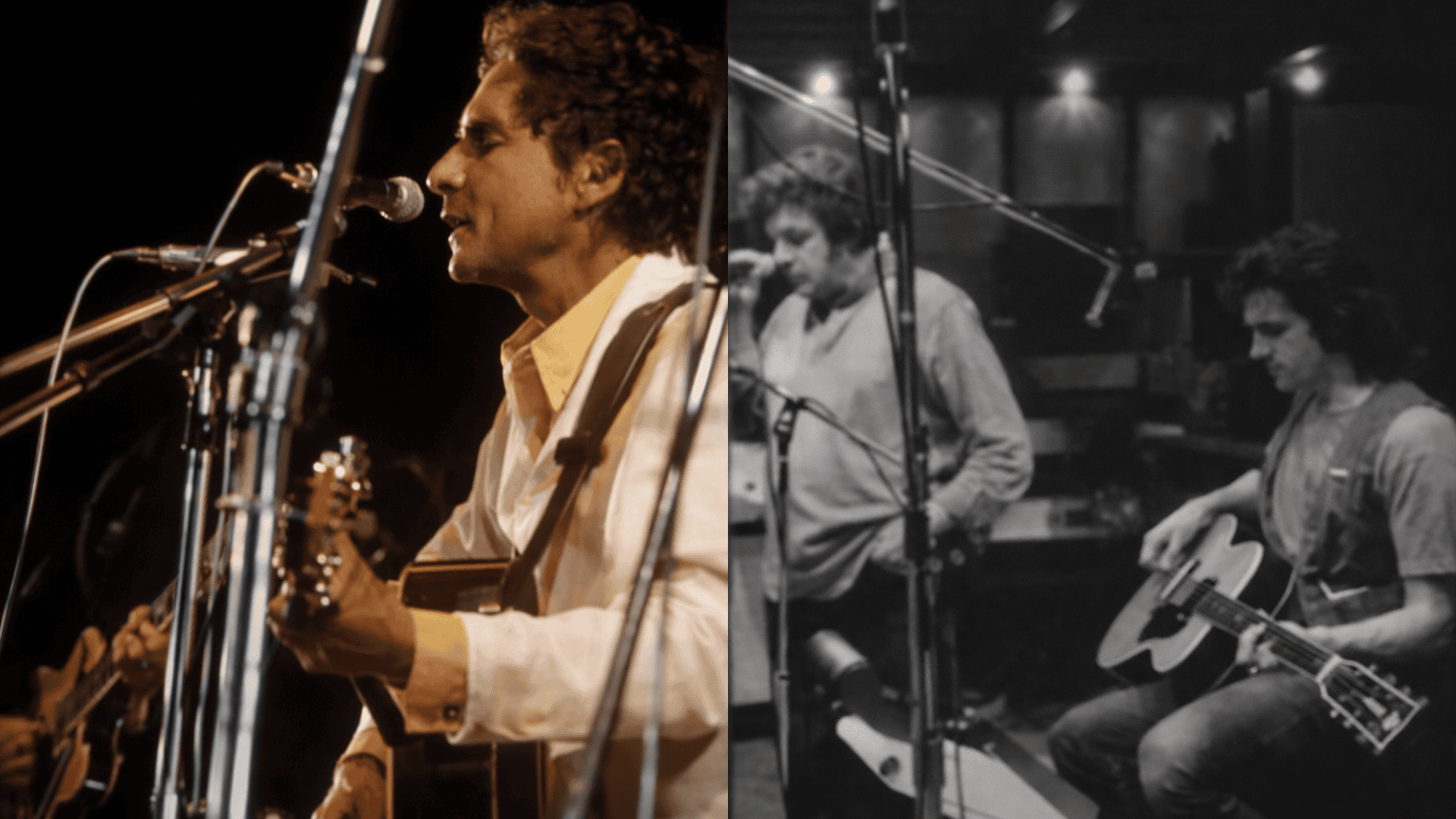
In 1968, Johnny Cash faced one of the quiet turning points that would shape the rest of his career and it happened almost by accident.
That year, Cash lost his longtime guitarist Luther Perkins, a founding member of the Tennessee Three. Perkins had been part of Cash’s sound from the very beginning, his steady, minimalist “boom-chicka-boom” rhythm forming the backbone of classics like “I Walk the Line” and “Folsom Prison Blues.” His sudden death in a house fire in August 1968 left a hole that was both personal and professional. Cash wasn’t just losing a bandmate; he was losing a piece of the sound that defined him.
In the months that followed, the band carried on. Carl Perkins the rockabilly pioneer behind “Blue Suede Shoes” occasionally filled in on guitar. But one night, at a show in 1968, Carl couldn’t make it. The band was on the road, the audience was waiting, and the spotlight doesn’t pause for uncertainty.
In the crowd that evening was Bob Wootton, a devoted Johnny Cash fan who knew the music inside and out. When he heard that a guitarist was missing, he made a bold move. Wootton approached Cash and offered to step in for the night. It was the kind of moment that sounds too cinematic to be real a fan volunteering to play alongside one of the biggest names in country music.
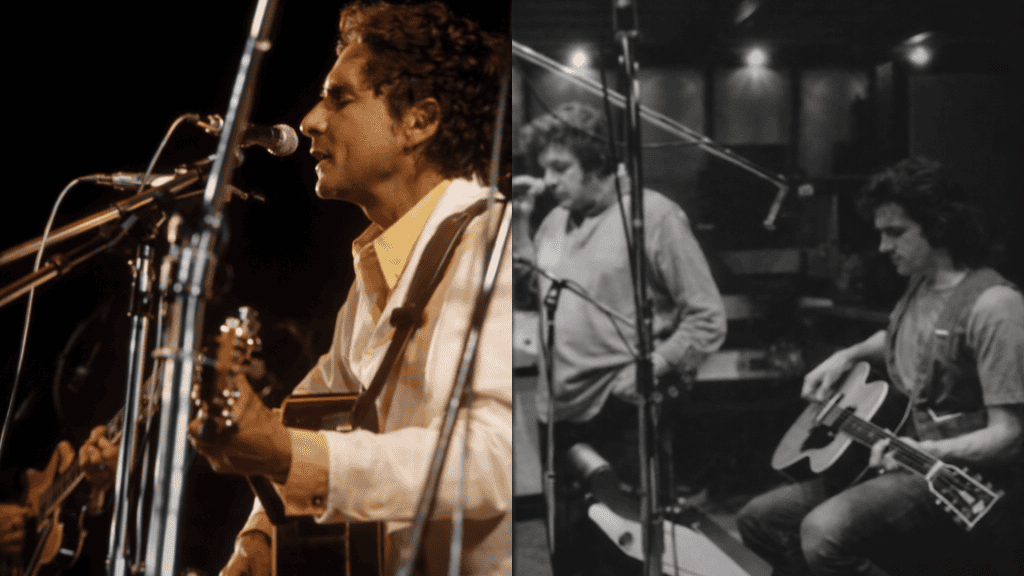
Cash agreed.
Wootton walked onto that stage not as a hired professional, but as a fan with a guitar and nerve. He didn’t try to reinvent the sound. Instead, he faithfully recreated Luther Perkins’ distinctive style, down to the sharp, muted picking that audiences instantly recognized. Cash noticed. More importantly, he approved.
That one-night fill in didn’t end when the curtain closed. Bob Wootton became Johnny Cash’s guitarist and stayed in that role for the next 29 years.
Through the late 1960s, the television years of The Johnny Cash Show, international tours, and decades of evolving country music, Wootton remained by Cash’s side. He helped preserve the original Tennessee Three sound while carrying it into a new era. It was loyalty forged in a single spontaneous decision.
Stories like this remind us that music history isn’t always shaped in boardrooms or studios. Sometimes it turns on a moment of courage someone in the audience raising a hand and saying, “I can do it.”
In 1968, Johnny Cash lost a foundational part of his band. That same year, by pure chance and bold timing, he found another one who would stand beside him for nearly three decades.