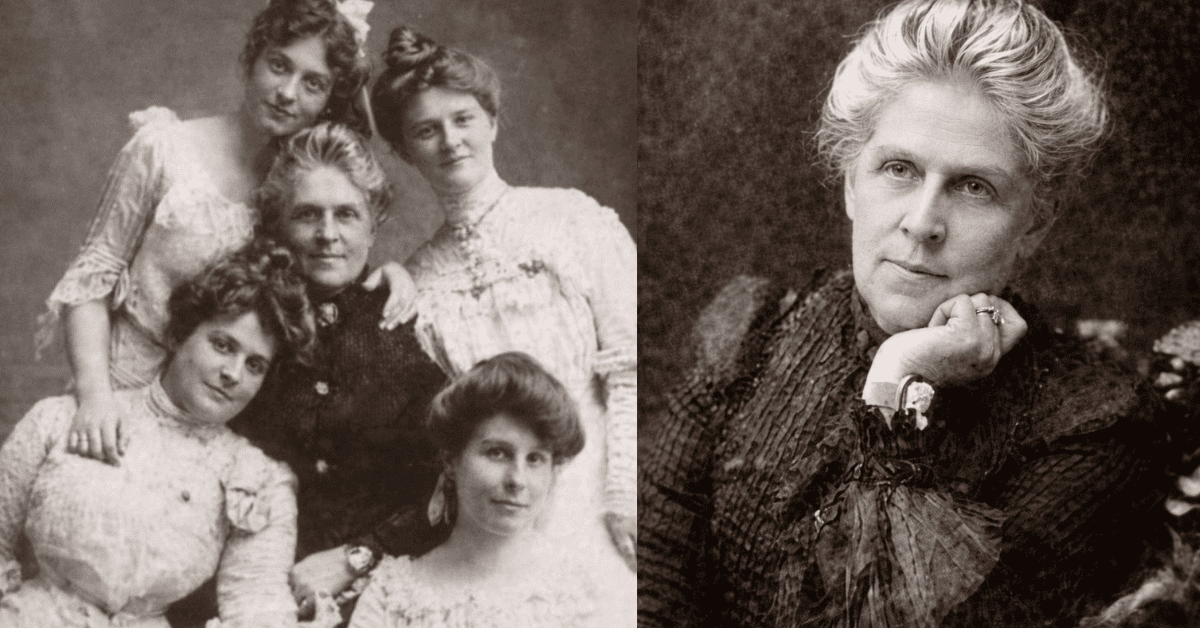
In 1887, Harriet Strong stood on her California farm watching everything she depended on slowly die. The rain had stopped coming. Crops failed. Wells dried up. For many farmers, drought meant surrender. For a widowed woman in the 19th century, it was supposed to mean the same.
Harriet refused.
She had no formal engineering education and no institutional backing. What she did have was urgency. If she couldn’t control the rain, she would learn how to keep it. Studying water flow on her land, she began sketching a solution that few took seriously at first stepped dams designed to slow, capture, and store rainwater instead of letting it rush away and disappear.
It wasn’t a theory. She built them.
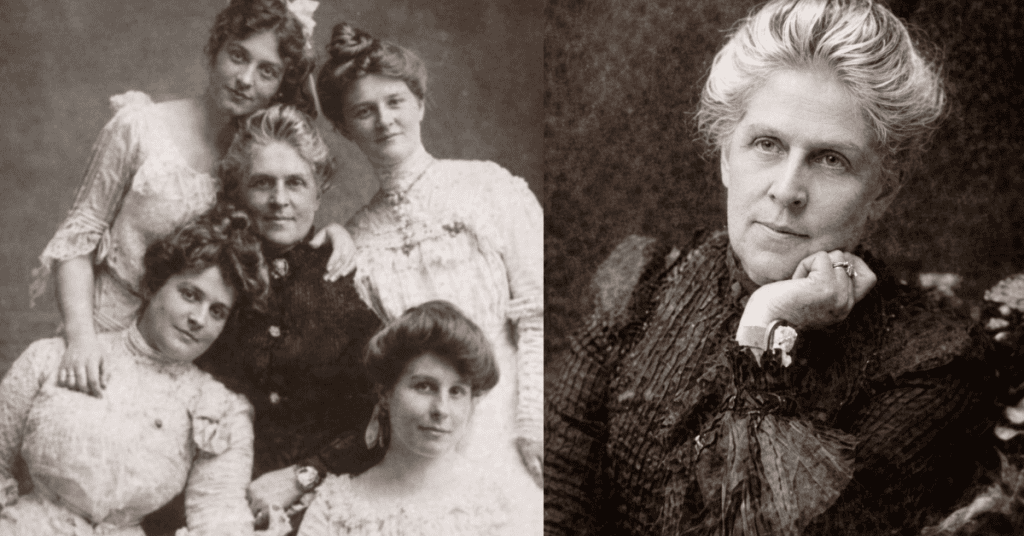
These dams worked differently from traditional designs. By using a series of steps, they reduced erosion, controlled flooding, and conserved precious water for dry seasons. Her farm survived. Then others followed her methods. Slowly, her ideas began spreading across the American West.
Harriet patented her designs at a time when women rarely held patents, especially in engineering-related fields. But her influence didn’t stop at agriculture. As the United States began planning massive infrastructure projects, her concepts shaped how engineers thought about water control on a national scale.
What makes her story even more remarkable is where it took her next.
Harriet Strong testified before the United States Congress an extraordinary act for a woman in an era when women couldn’t even vote. She argued for large-scale water conservation, flood control, and public infrastructure, using real-world results from her own work as proof. Her testimony influenced water management policy and helped pave the way for projects that would later include monumental structures like the Hoover Dam.
Yet history rarely mentions her.
She wasn’t chasing fame. She was trying to survive and in doing so, she helped shape the physical landscape of the American West. Her dams conserved water, protected farmland, and changed how engineers approached rivers, floods, and reservoirs.
Harriet Strong’s story is not just about invention. It’s about persistence in a system designed to ignore her. When women had no voice, she used results. When credentials were denied, she used outcomes. And when disaster arrived, she answered it with design.
America’s future flowed, in part, through the ideas of a woman history nearly let dry up.