
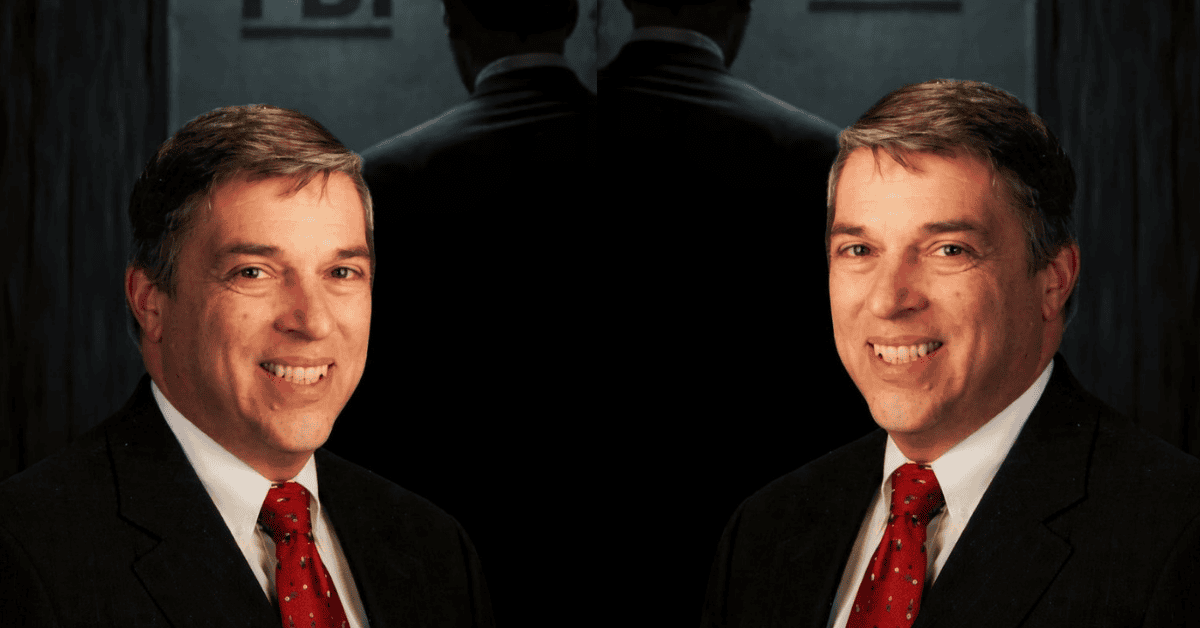
For years, the United States was under the impression that it had uncovered all its spies. It was a time of secrecy, suspicion, and covert operations. The Cold War raged on, and espionage was a game played in shadows, where trust was often a luxury no one could afford. But one of the most shocking betrayals in American history was happening right under the FBI’s nose.
Robert Hanssen was a trusted FBI agent. He had access to some of the most sensitive information in the U.S. government. His job was to protect the country from espionage, to root out any spies or informants within the organization. Yet, for over 20 years, Hanssen himself was the mole the FBI was trying to find.
In 1979, Hanssen began working with the KGB, the Soviet Union’s infamous intelligence agency. For over two decades, he fed them classified information documents that could compromise U.S. national security, intelligence operations, and even the lives of agents working undercover behind enemy lines. His betrayal was so deep, so damaging, that it wasn’t just a matter of sharing secrets. He was essentially a double agent, operating on both sides of the Cold War with devastating consequences.
What made Hanssen’s betrayal even more disturbing was the trust that had been placed in him. He was an FBI agent, a man sworn to defend his country, yet he had crossed the line, selling out his own country’s secrets. He was a perfect mole, a man who blended in with his colleagues and acted as if he was one of them, while betraying them at every opportunity.
It wasn’t until 2001 that Hanssen’s treachery was uncovered. By then, the damage had already been done. The intelligence he had passed to the Soviets and later the Russians had endangered countless lives and compromised national security. The FBI, the very organization that Hanssen had sworn to protect, had been infiltrated from within by someone who was supposed to uphold its values.
Robert Hanssen’s arrest in 2001 was a wake-up call for the intelligence community. His betrayal showed how the greatest threats often come from within, from those who are closest to the heart of an organization. Hanssen was convicted of espionage and sentenced to life in prison, but the damage he caused was irreversible.
The case of Robert Hanssen remains one of the most remarkable and unsettling espionage stories in U.S. history. It serves as a grim reminder of the dangers of trust and the lengths to which individuals will go to betray it. The espionage Hanssen committed was more than just an act of disloyalty it was a stark reminder of how the Cold War’s hidden battles could change the course of history, one secret at a time.