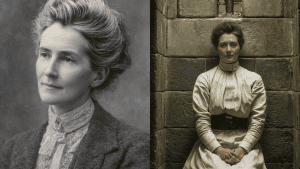

In the early days of the First World War, as German forces occupied Belgium, the city of Brussels became a place of quiet resistance and hidden courage. Among those who chose to act was Edith Cavell, a British nurse whose work would leave a lasting mark on history—not through violence, but through compassion and conviction.
Born in 1865 in England, Cavell trained as a nurse and eventually moved to Brussels, where she helped establish a modern nursing school. By the time war broke out in 1914, she was already a respected figure in the medical community. When German troops took control of the city, many fled. Cavell stayed.
Her duty, as she saw it, was clear. She would care for the wounded—no matter who they were. In her hospital, she treated soldiers from both sides of the conflict, guided by the belief that suffering should be relieved without discrimination. But her role would soon extend beyond the hospital walls.
As the war intensified, Allied soldiers found themselves stranded behind enemy lines, cut off and in constant danger of capture. Cavell became part of a secret network that helped these men escape. She provided them with shelter, disguises, and guidance, helping them make their way out of occupied territory and toward safety in neutral countries.
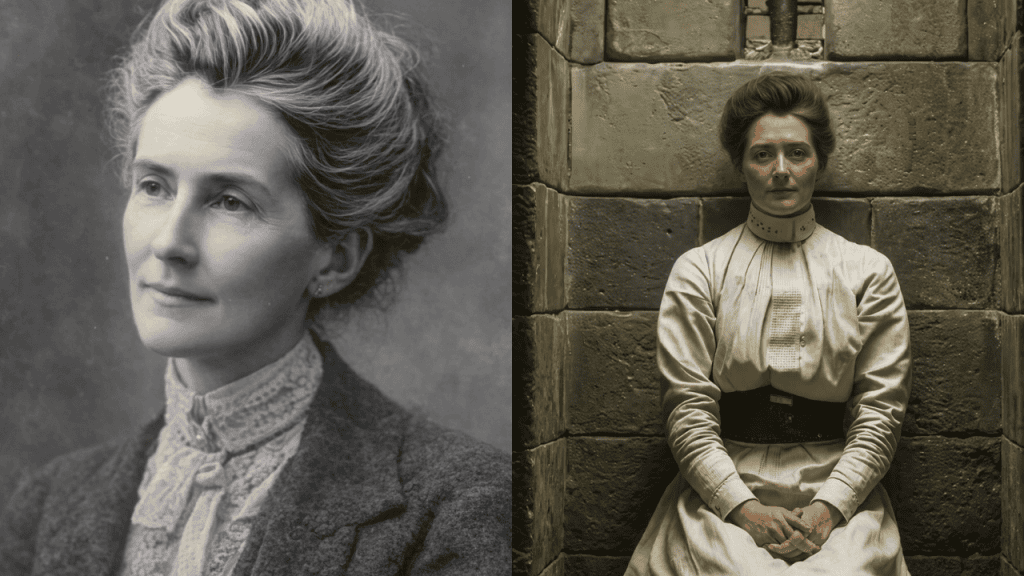
It was dangerous work. Discovery meant certain punishment. Yet Cavell continued, quietly assisting more than 200 Allied soldiers. She did not see her actions as political, but as a moral obligation—helping those in need when no one else could.
In 1915, her work was uncovered by German authorities. She was arrested and charged with aiding enemy soldiers. During her trial, she did not deny what she had done. Instead, she spoke openly, accepting responsibility for her actions.
Despite international appeals for mercy, including from neutral nations, the decision was made. On October 12, 1915, Edith Cavell was executed by a German firing squad in Brussels.
Her death sent shockwaves across the world. Newspapers carried her story far beyond the battlefield, and she quickly became a symbol of courage and humanitarian principle. What struck many was not only what she had done, but how she faced her end.
Her final words, spoken to a chaplain before her execution, reflected the values she had lived by: that patriotism alone was not enough, and that hatred or bitterness should not define one’s actions. It was a statement that transcended the divisions of war.
Edith Cavell’s legacy endures not because she fought, but because she chose to help. In a time defined by conflict, she stood for something quieter yet profoundly powerful—the belief that humanity must come before sides.