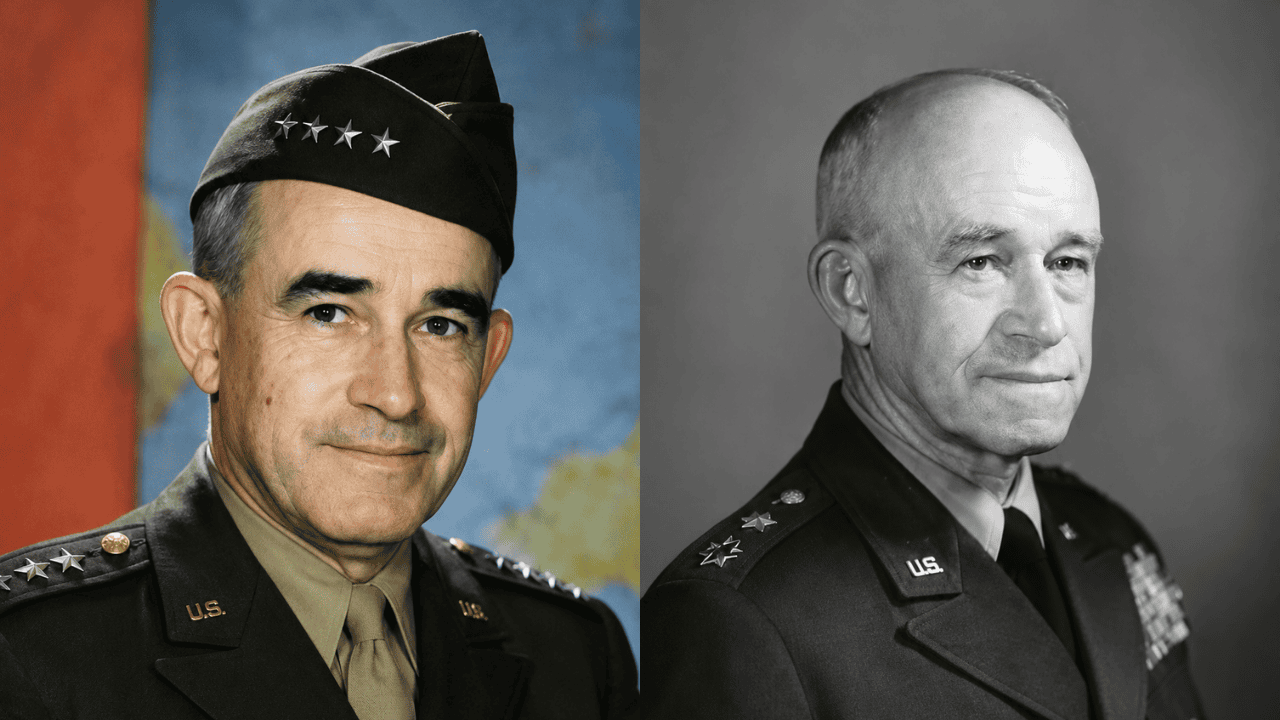
During World War II, few American commanders carried responsibilities as immense as those placed on General Omar Bradley. While many military leaders became known for bold speeches or dramatic personalities, Bradley earned respect through something quieter but equally powerful—steady leadership in moments where failure could have changed the course of history.
As Allied forces prepared for the D-Day invasion in 1944, the stakes could not have been higher. Thousands of American troops were set to land on heavily fortified beaches in Nazi-occupied France, facing machine-gun fire, artillery, and obstacles designed to stop the invasion before it could succeed. Bradley played a central role in coordinating these operations, overseeing American forces during one of the most complex military actions ever attempted.
The invasion was chaotic and deadly. On beaches like Omaha, casualties mounted rapidly, and confusion threatened to overwhelm the assault. In those critical hours, leadership mattered as much as firepower. Bradley’s ability to remain composed under pressure helped maintain coordination during a moment when collapse seemed possible.
But D-Day was only the beginning.
After the successful landings in Normandy, Bradley directed large-scale operations across France and into Germany. He eventually commanded the largest American field force of the war, overseeing millions of soldiers as Allied troops pushed deeper into occupied Europe.
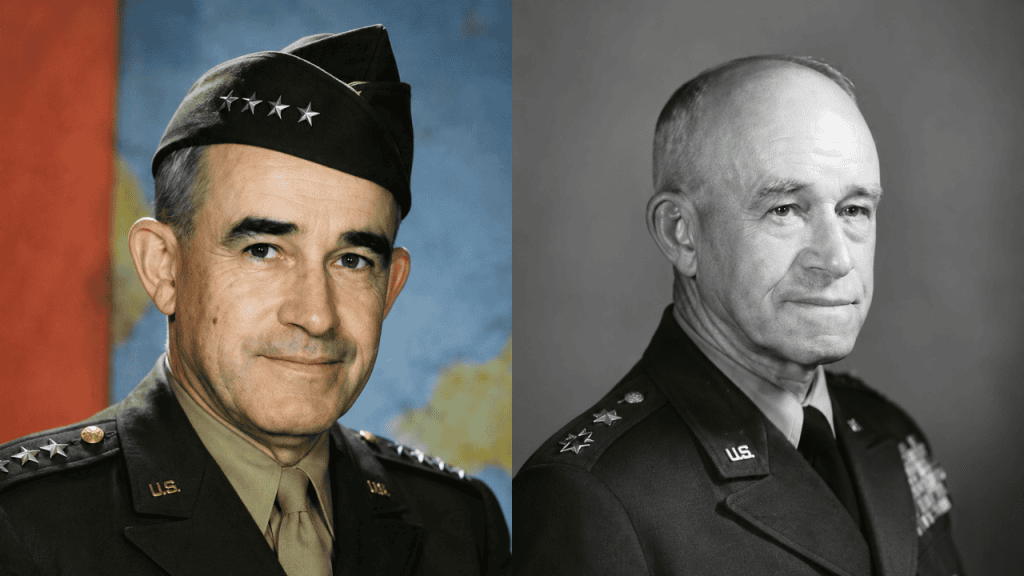
Unlike commanders known for aggressive theatrics, Bradley’s strength was discipline and organization. He focused on careful planning, communication, and maintaining stability across massive operations. His leadership style emphasized consistency rather than spectacle, allowing complex military movements to function even under enormous pressure.
This calm approach proved critical during some of the war’s most difficult campaigns. Coordinating supply lines, troop movements, and battlefield decisions across multiple fronts required precision and patience. Bradley understood that modern warfare depended not only on courage at the front, but on leadership capable of keeping vast operations from breaking apart.
His soldiers often respected him because he appeared approachable and grounded despite the scale of his command. He became known as “the GI’s General,” a reflection of the trust many enlisted men placed in him.
By the end of the war, Bradley had helped guide Allied forces from the beaches of Normandy to victory in Europe. Yet his legacy was not built on dramatic gestures or personal glory. It was built on reliability—the ability to lead steadily while the world around him was in chaos.
Omar Bradley’s story is a reminder that leadership is not always loud. Sometimes, the people who shape history most effectively are those who remain calm when everything else is falling apart.
And during one of the largest conflicts in human history, that calm helped carry Allied forces to victory.