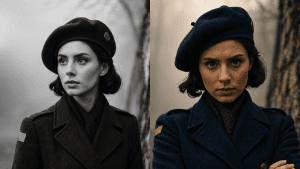
Before World War II reached the Philippines, Nieves Fernández lived a quiet life as a schoolteacher. She taught lessons, guided students, and lived far from the violence that would soon reshape her world. But when Japanese forces occupied the Philippines, everything changed. Faced with the reality of war, Fernández made a decision that would transform her from an educator into one of the most respected guerrilla fighters of the conflict.
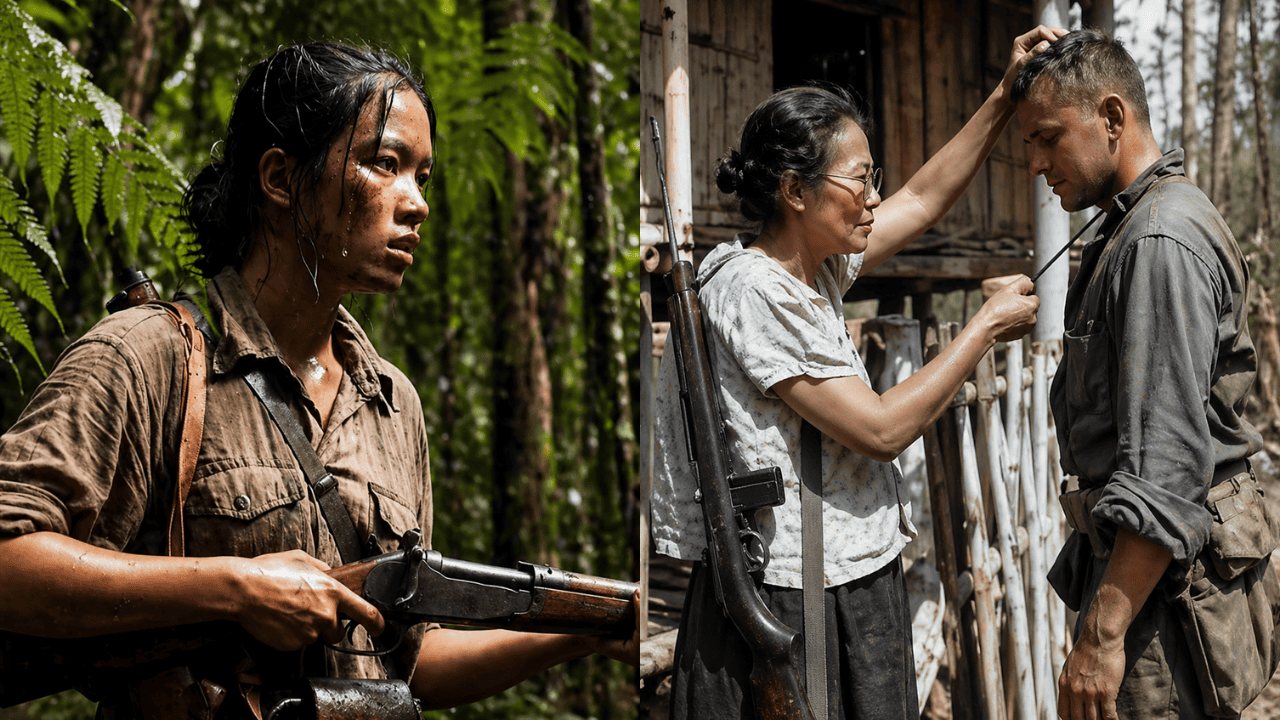
With no formal military training and no structured support, she entered a world of danger armed only with determination and instinct. In the dense jungles of Leyte, Fernández began leading guerrilla fighters against occupying forces. Resources were scarce. There were no reliable supply lines, no protective infrastructure, and no guarantee of survival. Yet she adapted quickly, using the terrain, timing, and strategy to her advantage.
Her approach to warfare was defined by precision and intelligence. Rather than engaging in direct, large-scale battles, she relied on ambush tactics and swift movement. Armed with a rifle and a bolo knife, she and her group targeted enemy patrols, gathered critical information, and disappeared before retaliation could arrive. Her ability to strike and vanish made her a formidable and unpredictable force.
As her reputation grew, so did the danger. Japanese forces reportedly placed a bounty on her head, recognizing the threat she posed. But despite efforts to capture her, she remained elusive. Her knowledge of the land and her disciplined tactics kept her one step ahead.
By the time American forces returned to liberate the Philippines, Fernández had risen to the rank of guerrilla captain. She had earned not only the respect of her fellow fighters, but also recognition from American officers who encountered her after the war. Her leadership, courage, and effectiveness in combat stood out in a conflict where survival often depended on both skill and resilience.
What makes her story particularly powerful is how it endured. Much of her legacy was not preserved through official military records, but through the memories of those who witnessed her actions. Her impact lived on because people remembered—because her courage left a lasting impression on those around her.
Nieves Fernández did not fight for recognition or status. She fought because surrender was never an option. In doing so, she became a symbol of resistance and strength, proving that even in the most difficult circumstances, individuals can rise beyond expectation.
Her story remains a testament to courage without condition—and a reminder that some of history’s most powerful figures are those who were never meant to be soldiers, but became them when it mattered most.